Sylvia? I can’t honestly remember your name. Sylvia sounds about right, the shivering essence, the sheet glass sounds of your name out of time, seem about right.
I had been there for longer than I should have and everything had gone wrong. Your live-in maid, your adopted mother in her eyes only, stared at me coldly as I tapped my suitcase down those ancient staircase steps, tip toeing homeward.
I remember you telling me that happiness was just the art of self-delusion, “I was born lying to myself,” you had said “so what difference does it make?”
I knew you were lying then, I knew in that moment. I had seen you smile far too many times before.
“Are you going to stand there, or are you going to come in?” I glanced to the left and then looked straight into your eyes. “The shadows fall differently do they?”
“Have I ever lied to you,” she replied.
“I’ve lied to you,” I called back.
“Then we’re both liars.”
I thought of your jettisoned relationships, all those long extinguished flames, love affairs alive in mind, but lacking true carnality in reality. Renegade memories aimed at wrecking the backcloth.
Before stepping warily into the morning cold, into those rainy fields of frost and magic, I took a pen and scrawled a final note goodbye “Good night, lady; good night, sweet lady; good night, good night.”
I must say that I’ve been something of a distant admirer of Secret Cinema for some time. It sounds like such a fascinating idea, a bi-monthly showing of a secret film, shown in a site-specific location, supported by lashings of theatre. Dress codes and clues handed out to potential punters, suggesting possible hints as to the theme of the evening. In an age when DVD’s rule the roost, it is exceptionally exciting to see a group trying to redefine the process of watching a film, in a communal way. And in a communal way which does not involve a trip to some God-awful multiplex and the usual sterile atmosphere of a film theatre. So it is a thrill to have been invited to attend an upcoming showing.
Now I am usually the first person to run a mile when I get an invitation to anything which even slightly pertains to “fancy dress”. My traditional “fancy dress” guise by the way for parties I’m press-ganged into is usually that of a doctor, for some odd reason. All you need is a stethoscope, a white coat and a few borrowed lines from Doctor in the House and you’re away. “What’s the bleeding time?” “Ten past ten sir!” God, I love that film.
Anyway, I digress. So my manic aversion to fancy dress may well have put me off turning up at Ali Pali dressed as a Bedouin, for last year’s Secret Cinema screening of Laurence of Arabia, but since this month’s dress code is late 1950’s/early 1960’s, European cool, my mind is at ease. As you probably guessed from my Doctor in the House reference, I love anything retro, especially when it involves dressing up like Marcello Mastroianni in La Dolce Vita and breaking out the Wayfarers.
Maybe the mystery film is La Dolce Vita? I doubt it. There seems to be a distinctly political edge to the clues handed out so far via Facebook and Twitter, with many references to burgeoning revolutions and a battle between state and city. In all honesty the film could be anything. There is often nothing pretentious about the choice of movie, in fact, past showings have included titles as giddily disparate as The Red Shoes, Bugsy Malone and Blade Runner. It will certainly be interesting to see the reaction of the crowd when the film is finally revealed.
In a year of revolutions across the globe, there is apparently a very small one going on every night somewhere in the vicinity, or deep within the underbelly of Waterloo Station. I want to be in on the secret. I always do.
More info and tickets can be found here http://www.secretcinema.org/ The current run of showings is due to continue through to the 9th of May.
Harlow. 1961. Pram town. Rent a house from the corporation and live your life built to specifications dreamt up by middle aged white men, hunched over drawing boards smoking Capstan cigarettes, a million miles away from the marital bed which will define your existence. Unemployment is virtually absent. The economy booms, powered by manufacturing, while a string quartet plays Brahms in a converted launderette and young pretty girls are tempted away from the technical college to the glamorous jobs available in The High at Harlow, where in salons with their curlers and dryers, they go to work on countless dried up look a-likes of Diana Dors. Variety and liveliness fostered in a town sized petri dish.
Harlow. A planned town. A brief “perfect” vision of a future Britain which could have been but never was. A future Britain in the heads of wonks and experts which burned into life and fizzled out almost the moment the match was struck. The match, just in case you’re wondering, was lit at the Festival of Britain in 1951, a great pageant of modern and retro thrills, a secular, republican, modernist mêlée and an inspiration to the creators of England’s new towns of the 50′s and 60′s.
The Festival, which celebrates its 60thanniversary this year, was held on the South Bank of the Thames at the behest of the then troubled Labour government, as a “tonic” for a war battered nation, “a national festival, which would display the British contribution to civilization, past, present and future, in the arts, science and design.” A 12 million pound pick-me-up in the sodden aftermath of war. A lavish government arts project in a time of real honest to goodness austerity.
Sir Terence Conran, the founder of Habitat, as a young 19 year old designer worked on the Festival aesthetic and remembers the skill and materials lavished on the Royal Festival Hall, the one surviving legacy of the project. “Just imagine all around you were bombsites and here was a building using wonderful materials, wonderful woods, Derbyshire fossil, one of the most beautiful materials that I know for walls and floors.” Sir Terence worked on some of the non-permanent elements of the Festival too, which were a lot more difficult to put together. Designing furniture for the Homes and Garden Pavilion, echoes of which can be found in his first collections for Habitat, he found materials much harder to find, “The furniture was mostly made out of welded reinforcing rod,” he says, “which was about the only metal material you could get, you used to have to have a word with someone on a building site to buy some reinforcing rod, as there was such an extraordinary shortage of materials in Britain at that time.”
The modernity did have its limitations though, this futuristic tonic had to be made palatable for conservative middle England. So there were strings of bunting, loving recreations of the joviality of the British seaside and “lots of pointless models which merely pleased,” as Hugh Casson, the chief designer of the festival labelled them. It was, says Dr Paul Rennie, Head of Context in Graphic Design at Central St Martins, London, “modernity with a tea urn,” a grand vision of a high tech future made in England, twinned with the imagined rise of a modern socially responsible society, born out of the social togetherness years at war had fostered. A complex message concealed within the atmosphere of a village fete.
And yet the stars were not aligned in this national menagerie’s favour, as Dr Rennie points out, “The Festival was an exemplar of what would happen if Britain continued making the sort of products it made during the war, but directed towards benign civilian outcomes, what nobody expected was that the entire industrial base which supported the Festival would be gone within fifty years.” The Festival also failed to predict that the camaraderie and fellowship which had enveloped all levels of British society after six years of fighting together in a common cause, would quickly melt away and that the pageantry of the Coronation in 1953, broadcast for the first time to houses up and down the nation, would set the countries heart once again a flutter for monarchy and revive our affiliation to a top down capitalist society.
Back to Harlow though, our brave new town, our grey Jerusalem built in the Festival’s image, rising from dear little England’s green and pleasant land. The rapid decline in the resonance of the Festival’s style and message can be seen in the way Harlow developed into a suburban owner occupier town. Buried in the Greater London commuter belt, it’s social space, it’s lovingly crafted band stands and paddling pools, park side mosaics and murals all abandoned, left as monuments to a way of life which simply melted away.
We got a little rebellious you see, a little uppity, we got as time went on, a taste for prosperity and the insular, protective nature prosperity can sometimes foster. In other words, newly affordable fun and luxury began to trump neighbourliness and playing the Good Samaritan.
Deference died too, deference inspired by fear, fear of the war-time generation, who were afforded a kind of pious allure until the dawn of the 1960’s. Neighbourhood hero’s like the Colonel in the end terrace, who had seen action in El Alamein and knew General Montgomery personally don’t you know, enforced a sort of short back and sides, Harold Macmillan inspired sense of dullness and decorum. This authority figure, epitomised by Jack Warner’s PC George Dixon, the sainted neighbourhood policeman, started to disappear as the 50’s progressed, he died, he retired, just as ironically, a few months before the festival opened, PC Dixon was shot to death, by a trench coated spiv, white scarf buried deep in his face, in a film called The Blue Lamp. A fictional symbol, with hindsight, of the changing times to come.
The basic ideals of the Festival, neighbourliness and community participation, have made a half hearted return to the fore, making as they do the basis for David Cameron’s Big Society. Cameron has failed to articulate the meaning of his project and he has failed to recognise that his Big Society will flounder for exactly the same reason the Festival’s vision faltered, simply because people have too many problems, too many personal and commercial distractions to ever have the inclination to give themselves fully or even partly to the benefit of society.
However, in a way, Cameron’s project and his failure to flesh out its purpose, has accidentally hit upon the perfect definition of what 21st century Britain has become and ironically, it is another thing the Festival never predicted. The country has become ambiguous, its message blunted and its meaning muddled by the effects of immigration, popular culture, industrial decline and global irrelevance. As the design critic Stephen Bayley told me, “The Festival was the very last occasion when the nation could still articulate some kind of common purpose.”
And yet it is perhaps better to say that our shared creed, our common purpose today, is our diversity and our ability for unfettered self-expression. Our society is far too gorgeously complex to sum up under the roof of a dome or to pigeon-hole in a single message championed by a London centric jamboree. Yes, our meaning is ambiguous and although this does not lead to cocky self-confidence in a national myth like in the days of yore, it does lead to a quiet sense of assurance, among most, that our whole is greater than the sum of its many parts.
One of the various sidepieces to the great Festival was a show put on at the Whitechapel Gallery by Barbara Jones, which exhibited what she labelled as the “unsophisticated arts”, a whole host of toys, souvenirs, trinkets, gewgaws and bibelots from throughout British history. What does one call such a grand treasury of myth and fancy? Well Barbara called it “Black Eyes and Lemonade” after the line written by the Irish poet Thomas Moore, “A Persian’s heaven is easily made, tis but black eyes and lemonade.” Ambiguity, see? The best way to label the knottily indefinable.
It’s raining on the Isle of Dogs, just another attempt in vain to try and soothe this smouldering mass of heat into clean remission, as ocean going liners in their tens and twenties set forth to sell a dying empire to far flung nations sick to death of Britannia. And Queenie opens up.
“I’m only alive when I’m singing,” Queenie says, “when I’m not singing, I’m not alive, but when I’m singing for a certain time or a certain person and it comes off, then it’s such a wonderful feeling.”
The Iron Bridge Tavern on Great East India Road, Poplar, is all hers now, but she had to toil to get it. From six until two in the morning, all day amid the heat and smoke of the dirty island and half the night singing amid the cigarette smoke, to the swaying patrons of South London’s public houses. From The Resolute to The Royal Charlie, for Mann, Crossman and Paulin, the whole nine yards, belting them out and knocking them back. Worth it though, “It’s a great old pub this is, wouldn’t change it for the world.”
Now they come from all over to watch her and to sing with her. Girls with Dusty Springfield beehives and Jackie O bobs, sheepishly approach the bar. Shyness masking lustre. It’s all in the eyes. They always ask for the same thing, “a sweet martini and a gin and bitter lemon, please,” or “a gin and bitter lemon and a sweet martini, please,” depending on who comes first.
Queenie’s ensemble of blues players serenade the punters until closing time. George, a trumpet player, is a sooth sayer cast in brass. He is an unquestionable authority on the sounds of the human heart in strife while on her stage, a labourer in Poplar’s town gardens off it, trimming the hydrangea bushes under the gaze of the Virgin Mary, a statue basking in a reverence that would surely be short lived.
Slim is Queenie’s husband, they were practically born on the same street, went to the same school, their two lives have always been intertwined. He spends his mornings talking to toothless old acquaintances on the market, reduced to selling brillo pads from clapped-out barrows to make ends meet, reminiscing about the fallen robins and the fair old birds of their youth. When he’s not trying to unload scrap on W.J.Watt of course. Slim casts iron around that yard like a man half his age, but his heart is heavier than the bags under his eyes appear and a heart under pressure always tends to crack sooner than a heart on the prowl.
“We must go out on top honey, hold me tightly,” Queenie sings as a stranger treads softly down the cellar steps, arm in arm with Diana Dors. Somebody had to have her, she’s only human after all, but who would have thought it would have been him?
Shirley Harris, a bespectacled blonde, without the looks, sitting at the corner of the bar holds court with a gaggle of men. She reads aloud the memoirs of a travelling singer, her diary from a week on the road, “Saturday, had a quiet evening in with mother, talked about escapades with men, turns out she knows more than I do!” As Slim sneaks another cigarette behind the bar and the Jackie O bob returns to inquire after a “sweet martini and a gin and bitter lemon, please.”
“Sung at the Iron Bridge again,” Shirley continues, “got rather sozzled, you know that Syd who comes in here?” The men mumble their acknowledgement, “treated me real well he did.”
“Not salacious Syd?” someone finally interjects, after a long pause.
Queenie stares upon this from her centre-stage microphone, upon this group who came to be with her, to escape a weekday life racked and pinioned to England’s dilapidated despair. She is South London’s suburban Billie Holiday and she is not a dying breed, she is very much alive and there is nothing in her blood stream that will lay down its resistance, if it is ever passed on to another generation. “I’m not the type of person who wants millions,” she says, “I’m quite content with what I’ve got really, think I’ve had the best in life anyway.”
She visits the cemetery every Tuesday afternoon, four bags of shopping in two hands, a scarf tied around her hair, resplendent in a kind of Barbara Windsor glamour. She places the shopping on the grass and kneels at a grave, no name, just a number, a stillborn son, the only one she ever held. Queenie never told anyone his name, she said she had never picked one out. Of course she had, like any mother expecting, but she decided to keep it between him and her, a secret between a mother and a son. Queenie still thinks of him often and sits with him every Tuesday to imagine a life well lived, not one frozen in formaldehyde primed, stalled on a cold, white, hospital table. “But I’m not afraid of Autumn and her sorrow,” she sings, “because I’ll remember April and you.” As the Dusty Springfield beehive weaves her way to the bar and asks for a “gin and bitter lemon and a sweet martini, please.”
Closing time. Everyone still has their misery, but it seems a little softer. Wishing everyone a good night, the last orders bell ringing, Queenie singles out a favourite from the crowd and shouts, “Come back soon! You’ve got such a lovely back!” Before running off the stage to a whiskey soda, a night’s work done, “I just love people,” she says, “people are life aren’t they?”
It’s raining on the Isle of Dogs, with its weather vanes of steel and iron jaws of welcome, it’s a granite lover suspended under a constant smokey sky, a furnace is its heartbeat and diesel is in its blood. Loving it won’t get you very far, but it will keep you alive, held in its iron caress, until you let go of course, or it let’s go of you.
You can’t get much more rural than Manafon, the tiny Welsh border village of sandstone and slate, dominated by a simple chapel and an ancient elm tree. The tree’s leaves turn a rich golden yellow in October and collectively give up the ghost in a stiff biting breeze, cascading from their branches one autumnal afternoon, the scene briefly bringing to mind a “golden fountain playing silently in the sun.” Those last few words belong to the former rector of Manafon, R.S. Thomas, a deeply spiritual, solitary, nationalistic man and a poet too, one of Wales’s greatest, who wrote, “Every night is a rinsing myself of the darkness that is in my veins. I let the stars inject me with fire, silent as it is far, but certain in its cauterising of my despair. I am a slow traveller, but there is more than time to arrive.”
We probably all cannot agree, depending on our own personal religious beliefs, that there is “more than time to arrive” at our destination, but a measured, thoughtful trip through life, to epitomize “the slow traveller” is a preferable path, if an idealistic one of course. David Sylvian was so influenced by the words of Thomas, that he named his last solo album “Manafon” in the poet’s honour. Sylvian himself has been a slow traveller, from his days as the dashing and effortlessly elegant lead singer of Japan, to his experimental and heart-rending recent albums Blemish and Manafon. He has walked a path which few commercially successful artists travel, from mainstream celebrity to art house icon, from the centre of the New Romantic scene, to a periphery of creativity and spirituality.
The man himself seems to have a relevant if charmingly obscure quote to hand for any question broached in his direction. He responds to an inquiry from me about the shyness which has dogged him all his life with a quote from the American author Joyce Carol Oates, “My nature is orderly and observant and scrupulous and deeply introverted, so life wherever I attempt it turns out to be claustral. I would not wish” he went on to add “shyness on anybody.” Like many artists, be they actors, writers or musicians who often use personal, usually painful personal experience to engender creativity, there is as the director Alan Strachan said of Alec Guinness a “final, untouchable core” to David. Only so much can be put up for public consumption, the rest is kept hidden, close to the heart, creating a contradiction which many creative people face, the wish to “conceal yet also express.”
Aside from shyness, Sylvian, who was born in Kent in 1958, was also an uncompromising child, not wishing to emulate anything he saw in the world which surrounded him. He formed his band, Japan, with his brother Steve Jansen in 1974 when just 16, later signing a record deal with German disco label Hansa. A million miles away from the scruffy upstarts that were the punk generation, David fostered a debonair image, all quaffed hair, skinny ties and waistcoats, a dash of the dandy, mixed with the darkness of a Fassbinder film or Liliana Cavani’s Il Portiere di Notte. He admits now that this cultivated persona was part of the creation of the “walls of my fortress”, but at the time he was a poster boy for the New Romantic image. Despite the considerable success Japan saw in the groups later years, scoring hits with songs such as Ghosts (1982) and notching up increasingly respected art-pop albums such as Gentlemen Take Polaroids (1980) and Tin Drum (1981), David does not look back on the era with a great measure of glee, in fact he does not look back at all, “When a period of my life has ended” he says, “I think it’s fair to say it is no longer of interest to me, it was shed like a skin and I’ve honestly not dwelt on it since.”
After the groups split in 1982, David continued to record as a solo artist, releasing albums such as Brilliant Trees in 1984 and Secrets of The Beehive (1987), widely regarded as his masterpiece. Then with Dead Bees on a Cake in 1999, came the start of a sea-change in Sylvian’s sound and creative style. The sprawling album, which ranges from sophisticated pop, to explorations of eastern world sounds, mysticism and spirituality, was David says a, “Summation of all the solo material that went before it. I knew when I had finished I wouldn’t be returning to quite the same waters again.” What followed, in 2003, was Blemish, an extraordinary album by anyone’s measure, stacked with eloquent misery and a pioneering sound. The listener is dragged backwards through waspish electric currents and static, images of late night shopping masked with little wisps of electricity and a slow hand clap, shopping hypnotised, “take me with you” he sings, “it may just help me make it through the night.” Sounds of guitars plucked as if their strings had been replaced by rusty barbed wire abound, wrapped around his mournful voice. Then he sings on the final track, “A Fire in the Forest”, “There is always sunshine above the grey sky, I will try to find it, yes, I will try.” Just a glimpse of hope, a slim glimmer, offered up in the nick of time, after a trip through a very dark night.
The album was created during the collapse of his marriage to Ingrid Chavez and David channelled the desolate emotions he felt into the creation of the album as a kind of creative catharsis, using his unhappy state of mind to delve deeper into some of the darker corners of his consciousness. Once you are down, you may as well keep drilling and see how far you can go and use the experience to exercise some hidden demons. “I had a sense of trauma” he says, “which needed addressing, that wanted out. I used the emotions to punch further into the darker recesses of my own mind, to see how far I could go, to see what I would find there and if and how I could give it voice.” Blemish, David says is a “portrait of a person in crisis,” a person on the edge, in a moment of deep self revision, which could conclude in self correction or self destruction.
Of course many artists have this particular kind of album in their back catalogue, their “Blood on the Tracks”, their “Tonight’s the Night”, but it is the sound not the abject misery which marks Blemish out as different, an innovative sound which has proved a little too contentious for some Sylvian fans. The album eschews traditional melody and the comfortable frame of the pop song, favouring instead the improvised guitar playing of the late Derek Bailey, with David’s voice acting as the only line of melody, holding the music together. The improvised nature of the project enabled the creation of an album with a sincere sense of urgency to it, which David says, “Was rapidly completed and left in its natural state, rather than producing something over deliberated and refined.” It is of course very difficult to intellectualize pain, to mollycoddle or rationalize it, you can hide its sharp edges musically with masses of strings and whimsical lyrics sung with a Sinatra-esque croon, but that does not mirror the true feeling of the real thing, those feelings of loss, betrayal, emptiness, loneliness and the bilious indifference they make you feel for life when you harbour them. The sound of Blemish is a truer reflection of emotional pain.
The improvisational technique was continued on David’s most recent solo release, Manafon, but on a bigger scale, this time utilizing string and woodwind players as well as guitarists. Sylvian admits that the Manafon sessions were in a way an “unnerving proposition,” with no concrete melodies or lyrics to offer to some of the best musicians in their field when they arrived at the studio, only his “assurance, guidance and intuition.” The lyrics followed the recording of the music, with David sitting down sometimes twelve months after a track was recorded, reacting and writing to the music as he played it back. “I wrote what came to mind in the moment I sat with it for the first time, based on what was suggested melodically and were that led me lyrically, although this would also be influenced by the subject matter I was considering and my state of mind at the time.” The results of this innovative approach to song writing are both moving and yet sometimes jarring, such as the nearly seven minute portrait of Emily Dickinson, featuring tripping electronics and a blaring oboe. The album to say the least takes some getting into, something that takes time and multiple listens to build appreciation, a near impossible task for the casual listener.
David, in the same vein as Scott Walker, has tracked backwards from popular, traditional, conventional material to the experimental, at the risk of alienating and losing a committed following. Let’s face it, many of the same teenage girls who swooned and melted when he sang “Quiet Life” on Top of the Pops in the 80’s are now, most likely, to deem Manafon unlistenable. But this is something, admirably, David does not worry about, for the sake of attempting to create something different and groundbreaking. “With both Blemish and Manafon” Sylvian says, “I was moving into uncharted waters, therefore it was not always going to be easy for the general audience to accompany me all the way, but to have made the material any more accessible would have been to dilute its purpose and potency. I don’t believe this marks a disrespect for the audience, on the contrary it’s an attempt to offer something of significance. It is relatively easy to repeat the past, it is a far harder, more heartfelt effort to imagine the future.”
However this does not mean that David intends to stick with this formula for the rest of his career. His new compilation album Sleepwalkers is engendered from collaborations with such luminaries as Ryuichi Sakamoto and Dai Fujikura, and features a handful of sublime pop songs, including the sweetly melodic “Exit/Delete” and the dirty up-tempo chic of “Money For All.” This suggests that David is still open to being seduced by the faithful, comfortable frame of a traditional song, “I won’t discard one process for the sake of another” he says, “I do love the notion of the pop song and the limitations and challenges they impose and it’s a mistake to look at the last two solo albums and believe that this is the only kind of material the process is capable of producing, as it can potentially produce a wide range of results. Having said that, I have returned to more traditional forms of song writing of late because it felt fresh for me to do so.”
When asked whether he feels he has settled more into his skin with age, David replies once again with a quote, this time from Ingmar Bergman “I myself never felt young only immature, that’s a sentence which resonates” he adds, “I am surer of myself now, I know what I’ve got to offer, wisdom is hard won.” Wisdom is certainly hard won, it does not present itself as a reward for a life well lived, you have to pick up a few scars and chance your arm a little along the way. David could have made millions on the back of Japan and coasted through a solo-career going through the motions, instead he has forsaken fame and riches for the sake of being true to the type of music he wants to make. That is a rarity in a world which craves fame and awards it readily and unapologetically, to those who are willing to settle for the status quo and spew out material, which however inspired, often lacks true craftsmanship.
In his poem “Poetry for Supper,” R.S. Thomas writes of two poets arguing about their craft over the loud hubbub of a Welsh country pub. One poet argues that verse and creativity are just a natural process of unfolding ones emotions and letting them fall onto the page, while the other says that verse should be more carefully sowed together, with a firm knowledge of the craft, twinned with a good dose of the fact that the sweetness of life is distinctly perishable. Both methods can produce good work of course and David draws on elements of both, accompanied by thought and a rich experience of life, all while avoiding the smug self-satisfaction which befalls Thomas’s two poets, who sit “hunched at their beer in the low haze of an inn parlour, while the talk ran noisily by them, glib with prose.”
The sound on Manafon is very sparse and brittle and your voice is often the only line of melody with the music being improvised. Is your re-working of this album with Dai Fujikura an attempt to make the work more accessible? Is the accessibility of music to the listener something that is important to you? Or do you believe that it is the responsibility of the listener to work to understand, if the meaning and sensibility of a song is not presented sugar-coated in rich melody, but is hidden deeper? Or is it the responsibility of the singer to satisfy his audience?
It’s the responsibility of the artist to be true to the work whilst at the same time attempting to make it as accessible, as comprehensible, as one can. Depending on the nature of the work there’s sometimes only so much you can do regarding its accessibility. With both Blemish and Manafon I was moving into uncharted waters therefore it wasn’t going to be easy for the general audience to accompany me all the way and I was obviously aware of that fact while the work was being created. To have attempted to have made the material anymore accessible would’ve been to dilute the material’s purpose and potency but, I don’t believe this marks a disrespect for the listening audience, on the contrary, it’s an attempt to offer something of significance. It’s relatively easy to repeat the past, it’s a far harder, more heartfelt effort, to imagine the future.
Working with orchestration, fleshing out the melodic content inherent in the vocal lines, tends to make the compositions more accessible, yes. People tend to have a more immediate access to, and appreciation for, the melodies. But Dai is a fascinatingly original and protean composer, so whilst the work might ultimately be more accessible, it’ll lose none of its original complexity, in fact it seems to take on a richer complexity, to Dai’s credit, that doesn’t hinder the immediacy of the finished piece. We’re working counter to my original intentions for the compositions, in a similar way that my vocal contributions on the original worked counter to the intentions of the improvisations.
How did you go about creating the sound heard on Blemish and Manafon? What were your influences? Blemish seems to have been created on a kind of Miles Davis, improvise and see what happens basis. Was Derek Bailey in particular and his free improvisation crucial to this? And how was the sound developed on Manafon?
I think it was a combination of my wanting to create something with an urgency to it, that would be rapidly completed and left in its natural state, rather than producing something over deliberated and refined. We’d started work on what was to become Snow Borne Sorrow (an album David recorded with his brother Steve Jansen, released in 2005 under the name Nine Horses) and the speed of production was reliably slow and, due to my emotional state, I knew this process wasn’t going to cut it for me at that moment in time. There was this sense of trauma that needed addressing, that wanted out, so we took six weeks away from that project and I started recording Blemish. I couldn’t tell you who or what was crucial in terms of influence outside of the circumstances of my public and private lives. It was part of a personal evolution whose time had come, where things would shift for me in a quietly dramatic way. I knew Derek bore some relation to the material because his was the only music I could listen to leading up to the recording itself. At that time I didn’t know how I was going to approach the work or what it might sound like so it was not a conscious absorbing of his influence or anything obvious of that nature. It was simply an intuited connection. Two thirds of the way into recording Blemish I felt I needed a counterpoint to my own approach to guitar improvisation and Derek was the first to come to mind. No one else was considered.
I felt my response to Derek’s contribution had worked well enough that the desire arose to attempt work, in a similar fashion, with larger ensembles. To be honest, it was a slightly unnerving proposition to enter a given situation with some of the best in their field with nothing concrete to offer but my assurance, guidance and intuition. Mercifully some, if not all, were familiar enough with Blemish to allow them to give me the benefit of the doubt. All were open-minded and generous in their willingness to participate, give of themselves, and in allowing me to do as I wished with the resulting recordings. So, once I had the material in hand, the process of responding to it was remarkably similar to how I’d worked on Blemish, particularly where Derek was concerned, which was a concentrated process of automatic writing and recording executed within a matter of hours. There might’ve been a 12 month delay between the recording of the music and my response to it but it was, nevertheless, what came to mind in the moment I sat with it for the first time, based on what was suggested melodically and where that led me lyrically, although this would also be heavily influenced by the subject matter I knew needed addressing and my state of mind at the time. Essentially, despite the seemingly random nature of the entire enterprise, I had a sense of what it was I was looking for and, over time and through active engagement, worked out how to go about accomplishing my goals.
Are you ever worried that an album like Manafon is simply too dense, two impenetrable for your audience? Do you ever think ‘well maybe I’ve gone too far with this one, maybe I should offer something more conventional out of fear of being alienating?’
I simply do whatever it is I’m driven to at the time of creating a work. My desire is to communicate not alienate but I can’t pander to the taste of one particular audience or a particular faction of that audience. This would only end in the failure of both the artistic and commercial merits of the material.
If an audience thinks I’ve gone too far and refuse to believe in what I’m producing as relevant or worth the effort, I’ll not attempt to persuade them otherwise, but I’ll continue to give everything of myself to the material regardless until I have to shut down the computer, put the guitar in the case for the last time and start looking at the want ads in the local paper. I’ve not divorced myself from more accessible work, as I hope the compilation indicates, and there’s no reason to believe that later solo works will move increasingly left of field. But I do choose to follow the path in which my instincts lead me. I have to trust in them as there’s nothing else I can rely on.
Spirituality and religion are obviously extremely important to you, if you follow the path of your music you have written about Buddhism, Christianity and you have considered the work of R.S Thomas on Manafon. What would you say is the bigger force in your life, music or spirituality? Or are the two intertwined?
Being, with a capital ‘B’ is the biggest force in life. Learning how to simply “Be” in the world. Music is born out of that experience, spirituality underlines or defines it either by its presence or absence.
You are pretty rare in the music sphere as man who has both chart success to his name and some albums of extremely creative, innovative, experimental music. What was the hardest to write and record, a song like Ghosts or a song like Emily Dickinson? And do you feel that you could not have written and recorded one without the other?
There has to be a starting point and in a way Ghosts represents that for me. There’s a chronology, an irregular linearity if that’s an acceptable oxymoron, in that one idea gives birth to another. There are instances of exception where a kind of personal ‘evolutionary’ leap takes place but otherwise you’re able to find signs of the present indicated in the immediate past. Neither Ghosts nor Emily Dickinson were problematic for me as composer. The most marked difference between the two is that with Ghosts the concept for the electronic arrangement came after the act of composition, whereas with Emily Dickinson I’d put all the pieces of the puzzle together prior to writing the lyric and melody.
I have read a few interviews with you and the subject has turned to the Internet and how you often communicate with people only via the net, you’ve mentioned people who you have collaborated with musically but have never actually sat in a room with for example. You have said “I’m fascinated by that: How organic a piece of music can sound and feel even though these musicians were never in the same space at the same time.” Is this still the case? Music lends itself to collective experience, how does that separation lend itself to creativity? And do you think that relying on the Internet for communication could allow us to be lulled into a comfort zone that we could become a little too used to?
On the latter issue, sure, it can be a potential problem especially for young people who believe they’ve a social life whereas, in reality, they’re completely isolated and protected from revealing anything of themselves they might find unpalatable or, the reverse, they let their inner demons out in a safe environment with no consequences or any significance. But most adults have lives that bring them into full engagement with the world at large and the personas and personalities with which to carry them through. The same can’t be said for younger people. School and college gets them out into the world but the ego isn’t fully formed, the sense of self, personal identity, isn’t fixed, is still very malleable and the social pressures intense, unforgiving, often openly hostile. But maybe you’re suggesting that the isolation could lead to an artistic comfort zone? Which seems to have worked in the reverse in my case as, whatever else I’m doing, I’m not making myself comfortable.
Regarding communications in general, sometimes the only options available are a phone call or an email. Working long distance with people in different time zones results in email being the preferred means of communication. It’s all about the music in the end not the social interaction. You speak, you engage, through the body of work. That is so much more intimate than many people I’ve spoken with seem to imagine.
As for the making of the actual music; if you’ve engaged with other musicians in a live setting frequently enough then, as in all things, you’ve gained enough experience to know how things work. There’s no right or wrong way of going about this. There is your intuition, the nature of the work at hand, and the limitations and the opportunities you’re presented with. You make the most of these. If you’re 18, working a day job and by night making music on a sampler with a HD recorder, you know what your limitations are and you pull out all the stops to make something that satisfies you and that has every chance of being as relevant, as groundbreaking, as that multi platinum band recording in a room together in the Bahamas. If working in partnership, you choose your collaborators with careful precision and half the work is done for you whether you’re recording together live or sending files across the internet. When I send a composition to Jan Bang or Arve Henriksen in Norway I know, without doubt, they will give 100% of themselves to producing what is asked of them and I hope they feel they can rely on me to do the same. Most musicians will give you multiple takes with which to work so the element of creative choice remains. Editing, placement, treatments and processing are a creative part of the work too. You might love a particular phrase as played but if you wish to change one note in the scale, you’re able to do this. I’ve recorded live in the studio with Arve and we’ve exchanged files on numerous occasions. I have no preference where the results are concerned only the nature of the work dictates which route has to be taken. Sometimes, file exchanges aren’t going to cut it, you have to be present, you have to give clear indication and guidance to a group of musicians who’ll be recording together because there’s something imperative about the nature, the essence of the work, that demands it. If working on more traditional material it’s imperative that certain elements be recorded in person. If you’re working with drums and bass for example, getting the feel of the track for something pre-composed, you’re not going to leave that to chance and interpretation, that’s going to be a booked session.
Let’s also not forget that, for the past three decades or so, in the world of popular music, there’s rarely been a group of musicians in a room together performing live. More often, with the possible exception of the basic rhythm track, the music was created one on one; producer, artist, and guest musician, the results of which were often radically edited and refined. Nothing wrong with this approach either in my opinion.
The short answer would be anything goes. It simply depends on what your needs, priorities and limitations are for any given project. In the traditional sense music lends itself to communal activity but there’s plenty of material of that nature out there. Music also lends itself to the solitary, the introspective, the cerebral and the emotional. You might choose to watch a movie in the presence of others in a cinema because that was once considered a communal experience and many still prefer that experience over a solitary one, but increasingly we seem to choose to watch a movie in a home setting, in HD, or on our laptops. We forego the communal aspect for something more intimate. It really depends on the material and the individual. There are many variations at work here, many choices we’re capable of making both as creators and consumers. As far as musicians go I would say that this development has been revolutionary, liberating. It’s made possible that which would otherwise be impossible. If you know what you’re doing, it won’t necessarily be clear to the listening public how the work was created. The question shouldn’t even arise. They should just be engaged, immersed in the results.
Are you starting to feel the kind of resolution that comes with getting older. Perhaps a better question would be did you ever feel mentally young? Did you ever feel at ease as a young man? Have you settled more into your skin with age?
Ingmar Bergman said “I myself never felt young, only immature.” There’s something in that sentence that resonates. I didn’t feel at ease when young, but then I don’t feel at ease now for entirely different reasons. I am surer of myself. I know what I’ve got to offer. Wisdom is hard won.
Does anything inspire you about the state of music in the 21st century?
Yes, plenty. So many individuals producing good work. Some of it is rightly acknowledged and highly appreciated, from Arcade Fire to Radiohead, but most artists that I enjoy listening to repeatedly, couldn’t get arrested.
Will you ever perform live again and did you feel comfortable with the experience when you did?
I have felt comfortable onstage, yes. Live performance has never been a priority of mine but that doesn’t mean it hasn’t been a valuable education on many levels and rewarding. I don’t attend live shows myself, or at least, very rarely. If I’m in a city and a friend is performing I’ll likely see them. If there’s a comparatively rare opportunity to see a performer whom I’ve long admired, who’s either semi retired or no longer tours that often, I might take it in but more often than not, I won’t. Most of my greatest musical experiences, outside of creating it, tend to be in relation to recorded work. But there have been notable exceptions.
And finally, I’ve read that someone like Bob Dylan will only ever record music after 2am in the morning. As a writer and musician what is more convivial to creativity? A summer’s day or a dark winter’s night?
A bright winter’s day.
My thanks to David Sylvian for agreeing to this interview and offering such insightful, elegant and inspiring answers. Picture 1 – Samadhisound, Pictures 6,7,8,10,12 – David Sylvian.com
“I wouldn’t wish shyness upon anyone” says David Sylvian, before going on to quote the American author Joyce Carol Oates “My nature is orderly and observant and scrupulous and deeply introverted, so life wherever I attempt it turns out to be claustral.” However claustral Sylvian perceives his life to be, his effect on the music industry has been felt consistently for well over three decades. From his days as the dashing and effortlessly elegant lead singer of Japan to his experimental and heart-rending recent albums Blemish and Manafon, Sylvian has walked a path that few commercially successful artists travel, from mainstream celebrity to art house icon, from the centre of the New Romantic scene to a periphery of creativity and spirituality. Never afraid to pin his heart on his sleeve, using the collapse of his marriage to inspire the revolutionary sound heard on Blemish, David has just released a new compilation of work engendered from collaborations, a set of songs which jump from the audibly jarring to the sweetly melodic. Never failing to surprise nor offer concessions to his audience, Sylvian remains an artist of considerable note, as R.S Thomas the late Welsh poet and Anglican clergyman of a parish called Manafon once said “My chief aim is to make a poem. You make it for yourself firstly and then if other people want to join in then there we are.”
Was Dead Bees on a Cake (the album preceding Blemish) a turning point for you? Your solo work since then has been in a completely different vein, it is almost as if you have put the idea of the pop song to bed and moved on to higher pastures.
Dead bees was something like a summation of all the solo material that went before it. I knew when I’d finished it I wouldn’t be returning to quite the same waters again but I had no idea what that meant at the time in terms of direction. Blemish was the turning point as it gave me an entirely new process with which to work, which is something of a gift at this stage in life. It’s a mistake to look at the last two solo albums and believe that this is the only kind of material the process is capable of producing as it can potentially produce a wide range of results. Having said that I have returned to more traditional forms of songwriting of late because it felt fresh for me to do so. I won’t discard one process for the sake of another. I like having the luxury of choice in that respect. I do love the notion of the pop song, the limitations and challenges it imposes, but this is generally the territory of the young or, increasingly, the craftsman, the professional songwriters and producers. Older generations of artists should clear the path, get out of the way and create new territories for themselves, stop attempting to repeat previous career highs. It would, in my opinion, make for a more inventive and varied contribution to the world of song. Then again, Money for All, Wonderful World, to name but two, are pop songs written within the last five years or so, there are really very few parameters that define what a pop song can and can’t be, after all songs such as Ghosts and Oh Superman were top five material and, in essence, the pop song is a seductive proposition, no wonder people return to these forms again and again.
Your complete artistic revolution on Blemish was also twinned with the breakdown of your marriage, as a particularly private person was it difficult to delve so deep into your emotional state and then put those songs up for public consumption? Did you feel overexposed? I would imagine that as an artist, the only way through a situation like that would be self-expression, but was there a part of you which wanted to keep the results of that self-expression private?
When I was working on the material I wasn’t thinking about the public’s reception of it or the degree to which I might be exposing intimate aspects of my life. Despite the themes that drive the material, I found myself excited by what I was hearing at the end of any given day, in that it sounded unlike anything I’d produced until that time, unlike anything I had heard before. As far as the content goes; I was in an emotionally fragile state due to the breakdown of my marriage, I used the emotions that I experienced at the time to push further into the darker recesses of my own mind to see how far I could go, to see what I’d find there and if and how I could give it voice. They weren’t safe places to explore in ‘life’ but in the work I was able to experience them without any negative repercussions for myself and those around me. To make it clear, while the emotions that surrounded the breakdown of the marriage were obviously the impetus for the work, I went a lot further internally with those when writing. It remains a portrait of someone in crisis but I didn’t feel I was exposing anyone but myself in the work. Did I feel overexposed? Yes, most certainly, but if I worried about such things or tried to second guess myself in that regard I could not do what it is I do. I’d undercut any potential value the songs might have.
There was recently a release of some of the work you wrote and recorded with your former wife Ingrid Chavez, Little Girls With 99 Lives. It’s a very beautiful and fragile collection of work. Would you say there is a different energy, a more productive creative atmosphere when you are recording music with a person you are in love with? Can that be captured in the music, the connection between two people, in the same way that Blemish captures the heartbreak when that connection breaks down?
I think that depends on the individuals in question. Ingrid and I didn’t happen to have a productive working relationship. There’s multiple reasons for this and I’d prefer Ingrid explain rather than I, but it comes down to a chemistry of sorts that might work in some aspects of a shared life but not in others. Ingrid’s really creative under pressure, all-cards-on-the-table, all-hands-on-deck, kind of scenarios which was the inverse of what we had going on.
Who were your first influences when you were a young man setting off with Japan in the early 80’s? I would imagine they were not the same people who were influencing some of the other leading lights of the pop scene then. For example you seemed to have been very influenced by later Dirk Bogarde, thinking of Nightporter of course and you recorded a piece called Steel Cathedrals which is also the name of a poem Dirk wrote. He seemed to have been particularly inspirational to people who were grouped under the New Romantics label, people like Bryan Ferry and Morrissey also name him as a key figure. Would you agree? And do you look back particularly fondly on your 80’s image/persona?!
Least favorite question so far. I have a poor memory for such things to be honest. For example, I wouldn’t have remembered an interest in Bogarde were it not for the fact that his biographer got in touch recently to ask about the obvious references. I was quite taken aback that Steel Cathedrals was a poem by Bogarde, I simply wouldn’t have known that to be the case, but I must’ve read it and it lodged itself in the back of my mind. However, I clearly remember being in a car on the road from Yokohama to Tokyo speeding past all of these factories that were beautifully lit up at night, looking quite otherworldly, like some colonial outpost on a distant planet, and thinking to myself ‘these resemble something like steel cathedrals, inspiring a similar kind of devotion perhaps amongst those that work within their walls, as I happened to be working on both the music and the film at the time, the title stayed with me. How does that work? I read the book in ’78, the composition was made in ’85. No matter how I personally feel about the source of the title I have to believe there’s a debt to be acknowledged there. I become the unreliable narrator of my own story.
Some things I remember clearly, the genesis of an idea, the details of the recording process and so on, but there are whole periods of my life, particularly my mid teens to early twenties, where I have few memories or fragments to pull from. This might be the result of not looking back, taking stock etc. When that period of my life ended, I think it’s fair to say, it was no longer of interest to me. It was shed like a skin and I’ve honestly not dwelt on it since. But I did enjoy Bogarde’s mid to late period. It’s good to be reminded of this. His best films don’t seem to have appeared on DVD even though they were by celebrated directors such as Renais and Fassbinder. I think my take on them would be very different now but it was an interesting and brave career move for Bogarde to choose to make them. The word I would choose to use is ‘necessity’ as that’s how I saw it from my own experience. It was a matter of self respect of allowing the inner self room to breathe. Not to have done so would’ve resulted in self destructive tendencies. When it’s a matter of necessity is it right to call the move a ‘brave’ or ‘courageous’ one? Probably not.
Do I look back fondly? I don’t look back.
Do you see a similarity between Bogarde’s career and yours? From popular success to art house recognition? I suppose the comparison again could also be made with Scott Walker. Did you always intend it to be that way?
It was an evolution, growing up in public I suppose you could call it. By the time I’d come to my senses I’d realised what it was I didn’t want and what it was I was going to have to sacrifice to do differently. I daresay there aren’t that many of us that have taken this particular divergent path away from the spotlight to the periphery but I’m certain that in most cases it’s a matter of personal necessity as described above. Survival wouldn’t be too strong a word to use, certainly in someone like Scott’s case. The spotlight was ill-fitting.
You have described yourself as “crippling shy” when you were young and still I imagine, would never describe yourself as an extrovert. Shyness has its downsides obviously, but it allows you to accept solitude more easily and it’s only really with some element of solitude that you can learn about yourself, read, discover music, become to whatever degree a “thinker” rather than someone who does not break through the surface levels of their own mind. Has shyness in a way saved you? Had you been extroverted and outgoing in South London in your youth, do you think you would have been eaten up by the city, married early, with kids, chained to a suburban routine? Do you think shyness protected you from that and allowed you to develop more individually, to think more individually? Or do you see it instead as something that has restricted you?
I wouldn’t wish shyness upon anyone. In society at large as well as family, it’s a crippling form of impotency. You’re acquainted with an internal suffering very early on in life and I guess this promotes the building of a healthy or unhealthy inner life that sustains you. Aside from the matter of shyness I was an uncompromising child when it came to the things I valued, and loved, really quite stubborn and sure of myself, and there was nothing about life as it was lived around me that I wished to emulate so I don’t believe the script would’ve been radically re-written had things started out differently. Without the shyness attached I might’ve benefited from a greater clarity of purpose, who’s to say? As it was there was a need to conceal as well as to express. A need for physical isolation too, an escape of sorts, or maybe ‘control’ is a better word. I don’t think it’s possible to produce good work from such a defensive position but first I needed to build the walls of my fortress before I was able to think more clearly. That would’ve been around the time the band came to an end. Money gave me the luxury of choosing how to exist in the world, to afford isolation, this is what I’d worked towards, to be in control as to how much I could take onboard at any one time and the freedom (though not without consequences) to step away when overwhelmed and it was awfully easy for me to be overwhelmed by social situations.
Your latest compilation Sleepwalkers is an album of collaborations. Do you find working with another person easy? Does not having total control over the evolution of a song bother you?
Not if you’ve chosen your collaborators well. With most I do have final say on the direction a piece might ultimately take but there are individuals I’ve been working with for a long time now and with those you tend to know what they’re capable of producing and consequently you’re able to be a little more hands off. Having said that even when working with a long established partner such as Ryuichi Sakamoto, there might be a number of files exchanged, false starts, before we reach common ground. The genesis for a piece such as World Citizen might be something as simple as the loop piano which is the basis for the track and which is what I wrote and recorded the vocals to so, again, the structure becomes determined by the architecture of the vocal melody, its duration for example and Ryuichi then arranges or orchestrates the work around it. But I have, and continue to, produce my own material so there’s no need to want to control the outcome of every collaborative effort. Collaboration, when it’s right is a challenge and a delight, a real conversation, a generous give and take with, by and large, everyone involved collectively satisfied with the outcome.
Many artists seem to be very reluctant to reassess their past work. When it’s done it’s done. Someone like Scott Walker, I’ve read, will record an album and then never listen to it again. You however seem to enjoy remixing and tinkering and returning to your work, the new Sleepwalkers album features a host of remixes and you’ve just announced Manafon is to be radically re-worked with Dai Fujikura. Are you someone who struggles to be satisfied with their work?
Actually, once I’ve personally finished with the work I consider it done, I have no desire to look back, rarely a desire to even perform the work so, in that respect, I share more in common with Scott than maybe apparent. However, where the solo work is concerned it can, very occasionally, be interesting to get someone else’s take on the material. This doesn’t take extensive involvement on my part other than to select the artists involved, give occasional direction and compile the work. I didn’t have plans to rework Manafon, it was Dai that requested if he might have a crack at one or two of the pieces and, as these things have a habit of doing, it’s evolved into something ‘other’. Also, the remix work is generally completed while the original is still in my system. Not a vast amount of time lapses between the completion of the original and starting on interpretations. In fact Dai had already made a start on his interpretations before I’d completed the mixing process of the original. As for the collaborative work, if I’m ever afforded the opportunity to remix the work to my liking, and this might only mean very subtle changes from the original, I tend to take it. I can then leave it behind me knowing I gave it my best.
This is the first part of an interview I conducted with singer/songwriter Bill Fay back in January 2010. Interviews with the man himself are about as rare as his albums and he spoke to me on the basis that we would talk simply about our ‘feel for music’. I was, of course, happy to oblige and spent the best part of two days putting together questions that would not appear crass or invasive in the face of the work he has produced. They were questions, ultimately, that prompted two hours and a half of conversation, the first chunk of which appears below. By ways of further introduction, I have added an unused paragraph from the article I wrote, based on this interview, for Flux Magazine.
Bill Fay has been dubbed ‘Britain’s musical Salinger’ and is arguably one of the country’s most criminally undervalued songwriters, releasing two albums, ‘Bill Fay’ and ‘Time of the Last Persecution’, for Decca in the 1970’s and then disappearing from the music landscape after the label rashly dropped him. An aura of mystery has been placed around him by the music press, but his absence from the scene has been forced rather than purposely maintained. He has written and recorded all his life but the will of record companies to put out his work has not always been there, forcing him to pursue a number of half hearted second jobs. After years of neglect, his music has recently undergone a quiet resurgence, led by the likes of Wilco and Jim o’ Rourke. But it is a resurgence not for mystery’s sake. Instead it is born out of a warm regard for an under-appreciated talent and in response, he has just issued a new album of home-made and archival recordings. In a music world that already has its anointed heroes, its empty vessels and comfortable old shoes, it is always a wonder to find a man existing outside the system, who thinks what he wants to think, feels what he wants to feel and sings those thoughts in turn.
Your music has always been about returning to nature and beauty, “planting myself in the garden”, as you sing during Garden Song, a regression to simplicity. This certainly seems still to be the case on the new record. Are beauty and nature and our relationship with them things which still inspire you?
Underneath the lyrics of Garden Song is an enormous amount of which I will try to convey a little, although I will only really scratch the surface. Garden Song was the beginning of seeking something deeper. I had a friend I worked with, we were both very like-minded, so we would look into this and look into that. We both began to feel after all sorts of long talks, which I’m sure all sorts of people were doing at the same time, there was kind of a quest thing going on back in the 1960’s, a lot of searching for answers. Anyway, we came to feel that we were largely in our day-to-day lives asleep to a greater reality. I believed there was something to find out, but more than that, I felt strongly that you could actually find out, which was a big step for me. We felt that we as human beings had named things like a tree or a butterfly and in the act of naming them had, in a way, explained them away. Basically we felt that we were living in one sense within the restrictions of our own heads. So I started to pay more attention to nature, I didn’t run to the mountains or something though, I mean, from say the top deck of a double-decker bus, just looking at things, looking at trees. Part of your head is saying “why are you doing this, it’s only a tree!” But I kept looking in an attempt to get outside of my own head. So Garden Song kind of represents what I was doing at that time in my life.
How did you channel this thought process into your song writing?
What used to happen back then and to some degree still happens is that a song is a vehicle, a means of expressing where you are at inside. So with something like “I’m planting myself in the garden,” what I was trying to say is, that I’m going to look at things, I want to be a part of things in a real way and I’m going to persevere, “I’m going to wait until I know there’s a moment, to get up from my chair by the sea and I’ll be able to say that I’ve been there.” That I’m going to end up feeling things in a much more real way. As I say in Garden Song again “I’ll wait for the rain to anoint me and the frost to awaken my soul.” It was that waking up which was important to me, to connect with the real world around us of living things. I’ve only really scratched the surface there, the questions are so deep. I did come to feel an enormous, sort of, strangeness, the connection that I began to feel with the living world was very vivid.
Parts of your work I always feel are very English, I suppose a long gone England, I think of that when I listen to a song like Goodnight Stan when you sing “If you can take a watering can to protect yourself.” It’s full of an old English sensibility, almost modernist parlour songs, amazing things happening in grim 1970’s suburbia, would you agree? Was that England an influence on you? Or did you look further back for the roots of your songs?
Well my grandad wrote songs on the guitar, old music hall type songs and all my mum’s side of the family sang or played a musical instrument. They actually used to sing, you mentioned the world parlour, but they used to have a Sunday afternoon get together and they used to sing and play. The songs they would have sung would have been old parlour songs. Alongside all this heaviness and complexity, to do with the first album, I have always been grounded in the 1914 generation. I remember my old Aunt May and her sister looking after my Uncle Will after he was poisoned by mustard gas in the First World War, he used to just sit there all day in a chair and they used to look after him. “Sing Us One of Your Songs May” is loosely based on that. She would sing the old songs like ‘Sunshine Of Your Smile’ and I would play the piano. She never married and May and her sister went through life looking after their mum, their dad and their brother. It was another generation, which was just not confronted with the same things I was in the 60’s but I felt amazingly linked to them. I would say that I don’t particularly think England is an influence though; it could be anywhere, old America, old Ireland, anywhere older and simpler.
So you were not influenced particularly by old English culture, it was just a want for a simpler time?
Yes, although there is a kind of Englishness about Stan and May and myself, that North London kind of thing, these songs could still be taking place anywhere.
I think one of the most effective pieces on the new album is City of Dreams, is that a critique of 21st century England? Do you still want to use your work to make a political point, or is that something you want to avoid? I’m thinking particularly about a song like War Machine, which again features on the new album.
Again I couldn’t really say it was England based, the song could be based anywhere, could be Dubai or New York, it could be the City of London or more pertinently the Stock Exchange. I think the City is quite an unnatural place, scary almost, all those thousands of windows with people plugged into television screens and telephones. The song I suppose goes back to preoccupation again, man distracted from the natural world by the myriad of technical and financial developments.
So would you say your songs are written more from a spiritual angle than a political one, do you avoid politics?
Well the songs can be political sometimes too, just think of The Sun is Bored and “The minister for good taste”. There is a political aspect sometimes. I am sure that there are good politicians, I do remember fondly the old Labour politicians like Manny Shinwell and people of his ilk who said they wanted to bring about heaven on Earth, but it was as much as they could do to prevent hell on Earth. I could say a lot politically, I have a lot of political anger, but I do understand that a lot of the issues that politicians have to deal with are very complex.
What about “War Machine”?
It was again based around a lot of different ideas and thoughts. I feel that Hitler did the worse thing in recent times, apart from all the evil he did, he created the concept of a ‘just war’. He had to be stopped, which is the excuse that has been used to cover all the wars since. Therefore the war machine is perpetual, because there is always, or so we are told, somebody who needs to be stopped at any cost. I feel particularly angry about that. I feel Bush and Blair established that a democracy can be a democratically elected dictatorship.
There’s a melancholy feel to your work, it’s not a depressing feel, but it is down hearted sometimes, yet there is always optimism to be found somewhere, “You’re going to find your way through” in Cosmic Boxer for example, or Be Not So Fearful and Solace Flies In. Are you an optimistic person? Does a song have to have an element of optimism somewhere in it?
One of the hardest things for me with Time of the Last Persecution, well, it was almost like something was breathing over your shoulder, you had to tell it like it was. You wanted to be comforting to a degree and there were still lines like “Don’t let anyone get you down”. But I had to get across this idea of the culmination of evil and all the bad things that happen in the world. It’s good to have an element of optimism in there too though and I hope people find hope within the music. I know that Marc Almond likes Cosmic Boxer for example, he see’s something of himself in the song I suppose, something in that notion of boxing on no matter what your troubles. So yes, I would say I was an optimistic person and I do try to bring that into the songs, which like you say can also be melancholy, perhaps that mix is what makes the songs more real.
Labels do not really tend to experiment with the artists they sign today, particularly the bigger labels; do you think you would have been afforded the same chance to record today?
It was all chance. I will always write songs like I do because I’m not bound by anything. Back then Decca didn’t really know what was going on, they had turned down The Beatles, something which I think made them extremely nervous. I don’t think they understood the times, the late 60’s, when so much was going on. So they just threw as much mud at the wall as possible in the hope that something would stick. So I got the chance, through Terry Noon, to be one of the pieces to be thrown against the wall and I was one of the pieces that dropped off pretty quickly as well. But within that, because Terry was such a freedom giving person and because Decca let it roll on, I had total freedom and was able to write the kind of things we began by taking about.
This is a very family orientated record, you feature a song recorded by your brother and some of his artwork. Pictures of your parents feature on the inside of the cover and of course there is the lovely song Diamond Studded Days. You talk about your Dad buying you your first record player too, is this a thank you to family for the influence they have had upon you? Your writing also suggests your childhood is a time in your life you look back on with great happiness?
It is very much a thank you to family. It’s a tribute to mum and dad and a massive thank you. They gave me such a lot. And yes Diamond Studded Days is my tribute to them too. I was very fortunate to grow up where I did, although it was North London, it was on the edges, so the countryside was not that far away, I remember my Dad taking me and my brother on walks to the forest, or I’d be off on my bike, at the same time you could just as easily get a train and go into London. There was lots of unused land in those days too, lots of open spaces, which have been developed now of course, but those open spaces were great for a child’s imagination and you could kind of extend yourself within that environment.
Do you plan to record again in the future?
I will before too long go back to the keyboard because there are still plenty of songs to put down as best I can at home. There are loads of songs already written too, which are good enough to record, as well as unfinished things.
Do you ever plan to return to the studio with a band?
I know that is something which both the Tomorrow band and Ray Russell would like to do. It’s just so much easier and convenient to carry on with what I’m doing with the keyboard. I would consider it, but there are no plans for anything like that at the moment. It might be possible to collaborate a bit more though.
Tomorrow Tomorrow and Tomorrow ends with one of my favourite songs Isles of Sleep and the line “Nothing has changed, only me, the worlds still the same, but I’m not the same.” Are you still changing? Still searching? Or have you reached a level of contentment?
The level of contentment you speak off, I don’t think exists. I don’t think you can be content when there is so much wrong in the world. I think you do have to strive to keep awake to all the things I was talking about earlier. Nature will always inspire me, it’s great just to see a robin sometimes, there are such miraculous little things in the world. In day-to-day life you can quite easily become not as connected as you have been in the past, so there is always a feeling within me that I need to stay awake to the full picture, no matter what the distractions.
Bill Fay has been dubbed “Britain’s musical Salinger” and is arguably one of the country’s most criminally undervalued songwriters, releasing two albums for Decca in the 1970’s and then disappearing from the music landscape after the label rashly dropped him. An aura of mystery has been placed upon Bill’s shoulders by the music press, but his absence from the scene has been forced rather than purposely maintained. He has written and recorded all his life but the will of record companies to put out his work has not always been there, forcing him to pursue half hearted “second” jobs, like factory worker and assistant in the Selfridges fish cellars. After years of neglect, his music has recently undergone a quiet resurgence, led by the likes of Wilco and Jim o’ Rourke. But it is a resurgence not for mystery’s sake. Instead it is born out of a warm regard for an underappreciated talent and, in response, he has just issued a new album of home-made and archival recordings.
When Bill Fay walked into a London recording studio to lay down the songs for his first album in 1970, he thought he had stepped through the wrong door. He was met by a full piece orchestra, ready to play in accompaniment to his wispy north London voice. “I thought I’d wandered into another version of Beethoven’s Fifth” he says, obviously expecting more frugal backing. Yet most great art is made by chance and after Fay had left a tape with Mike Gibbs, a young first time arranger, at the behest of the records producer, the composer set about fixing Fay’s piercingly simple, achingly spiritual lyrics against a string filled modernist baroque sound. For a moment becoming a bed-sit Riddle and Sinatra, for people who worked to understand themselves and loved expression.
“I’ve always written and recorded” says Fay “It’s something I’ve been doing for fifty years; it just comes as second nature to write a song.” Music for him is a way of expressing where he is inside at a particular time, a document of his state of mind, an exercise in a style of state-of-consciousness writing, penning what he feels, with no immediate pre-meditation. He has though, like anyone who has led a life happily manacled to music, early musical memories, which no matter what a psyche does to expel them, have an effect when a twenty-something sits down to write. Bill says “My Uncle Will was poisoned by mustard gas in the trenches, I can remember him just sitting there, in his chair, while my Aunt May played ‘Sunshine of your Smile’ on the piano for him.”
He is inspired still by that 1915 generation. “They were not confronted with the same things I was in the 60’s.” Like many men and women of the time, the relatives he recalls from his formative years gave up jobs, love and a fuller life, to care for kin scarred by war. The ghosts of these people dwell within Bill’s music, his grandfather writing music hall songs on his guitar, his aunts and uncles singing around the piano. In the song “Goodnight Stan” he sings about an ‘old boy’ coming home from his allotment, with nothing to defend himself against a drastically changing world but a watering can and a weary knowledge. An ode to an aging man, who couldn’t comprehend a new age.
Yet his songs are much more than an homage to a past generation. They express a deep spiritual journey Bill has pursued all his life. “I always believed there was something to find out” he says “that we were in our day to day lives asleep to a greater reality.”Many of the songs on the first album, the self titled “Bill Fay” are devoted to the start of that journey, especially Garden Song, which expresses his attempts as a young man to connect with the natural world, to depose those mental barriers, which dismiss nature as “nothing special”, which labels a tree a tree and then moves on to other business. “I sing in Garden Song ‘I’m planting myself in the garden’, to try and wake up and connect in a deeper way with the reality of sky and trees surrounding us, not just the world of city, media, and man’s preoccupations.”
Ultimately for him, came a realisation that there was a source from which all life flows, a realisation that led him to the Bible after discovering a book of sermons by 19th century ministers and reading the work of Teilhard de Chardin, which had an enormous effect on him as a young man. “If you become more awake to the wonder of the natural world, if you actually feel it, then perhaps in a way you turn away slightly from the world of man. But once you feel that life element, you begin to feel the anti-life element too and begin to want answers to the terrible things that happen in the world.”
When in 1971 Decca approved a second album, Bill recruited guitarist Ray Russell, another deep thinker with a highly original electric guitar playing style and Alan Rushton, a respected London drummer, who still plays the capitals jazz clubs today when not teaching drums, to accompany him. Time of the Last Persecution is a much more pared down record, that focuses on that “anti life element” and it is, in a way more dramatic, more compelling than the first. You can imagine the songs playing themselves out in a dank concrete room, lit by bare bulbs, to an audience with a grimly indifferent nature as he bellows “It’s the time of the anti- Christ, make for your own secret place”. But now and again light floods into the room like Aphrodite wishing away a murder scene, as he sings in “Don’t let my Marigolds Die” ‘Hey don’t let no one get you down.” It is an opposing mix, both a warning and a wish.
Themes of religion and fear for the direction of the world, return for his latest album, Still Some Light, recorded on a portable keyboard and £15 microphone. But this time it is much more, it’s a thank you, to his parents, to his family and an ever so brief regression to childhood. “Still can see that little boy, his heart full of joy. They were diamond studded days, eighteen carat gold” he sings on one song. He talks with an unbridled passion about a post-war London, full of bombsites and wasteland, where a child’s imagination is free to run wild. Of stealing gooseberries from a neighbours garden, planted remnants from “Dig for Victory”, train spotting in London with his friends, and walks in the country with his father. It’s a reminder that there is only a brief time in life when nothing matters, before deeper thoughts set in and ones foundations suddenly seem less steady.
He admits that “ I certainly would have loved to have sold enough to make another album during the Decca years, but all’s well that ends well, I couldn’t ask for more than the response the music from back then is getting now.” A traceable legacy of Bill Fay’s musical life is for the first time in decades, available to those who wish to seek it out, thanks mainly to David Tibet, whose Coptic Cat label has issued both the new album and “Tomorrow, Tomorrow and Tomorrow”, recorded in 1978. He closes that album with a song called Isles of Sleep, in which he sings “Nothing has changed, only me, the worlds still the same, but I’m not the same.” He is still changing, he says, still learning “Still trying to stay awake to the world and understand prophecy.” What’s more he is still writing too and has many songs that are good enough to record.
In a music world that already has its anointed heroes, its empty vessels and comfortable old shoes, it is always a wonder to find a man existing outside the system, who thinks what he wants to think, feels what he wants to feel and sings those thoughts in turn. No matter what spiritual storms may rage throughout his music, there is a calm centre to be found, a comforting middle, an assured sense of something else, something better and a conviction that you will find your way through. Or as he sings “Be not so nervous, be not so frail, someone watches you, you will not fail.”
Edith was all corduroy and whispers, a girl who tended to flirt with the tip of the odd cigarette and look daringly into the eyes of anyone who chanced to look back. She was a charmer, afforded the dreams and time which youth lends sparingly, but takes away with crow’s-feet. Edith lived with a mysterious fellow, of whom I knew little, only that two plain clothes police officers used to stand around his gate and they certainly were not there for her.
I was with him once when he smashed up a harpsichord, “The damn thing just made me feel like I was drowning in the sound of tin rain drops striking stained glass,” I remember him yelling.
Edith loved him though, amid every sensibility that the creaky age-old word had been welded together to mean. For him, Edith was company.
She used to read books about Eleanor of Aquitaine and dream about Kay Kendall, two women whose example she used to fend off the dashing but destructive blues with which she had been born. Yet Edith spent each Wednesday evening with Stanley Baker, who would sit at the foot of her stairs, holding a mirror to that aging face, while whispering “I’m still looking for something, in everybody’s eyes.”
 Sylvia? I can’t honestly remember your name. Sylvia sounds about right, the shivering essence, the sheet glass sounds of your name out of time, seem about right.

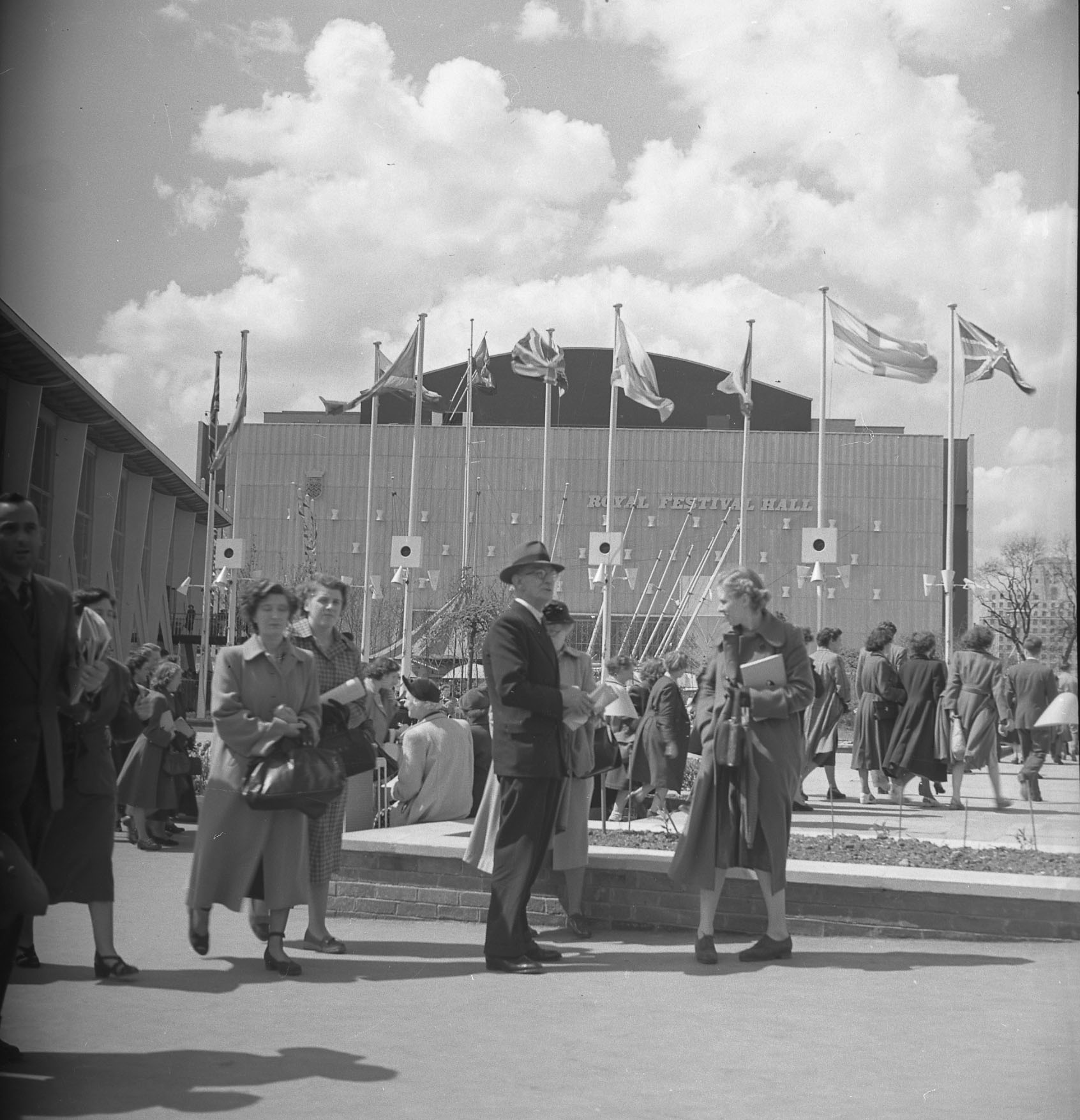
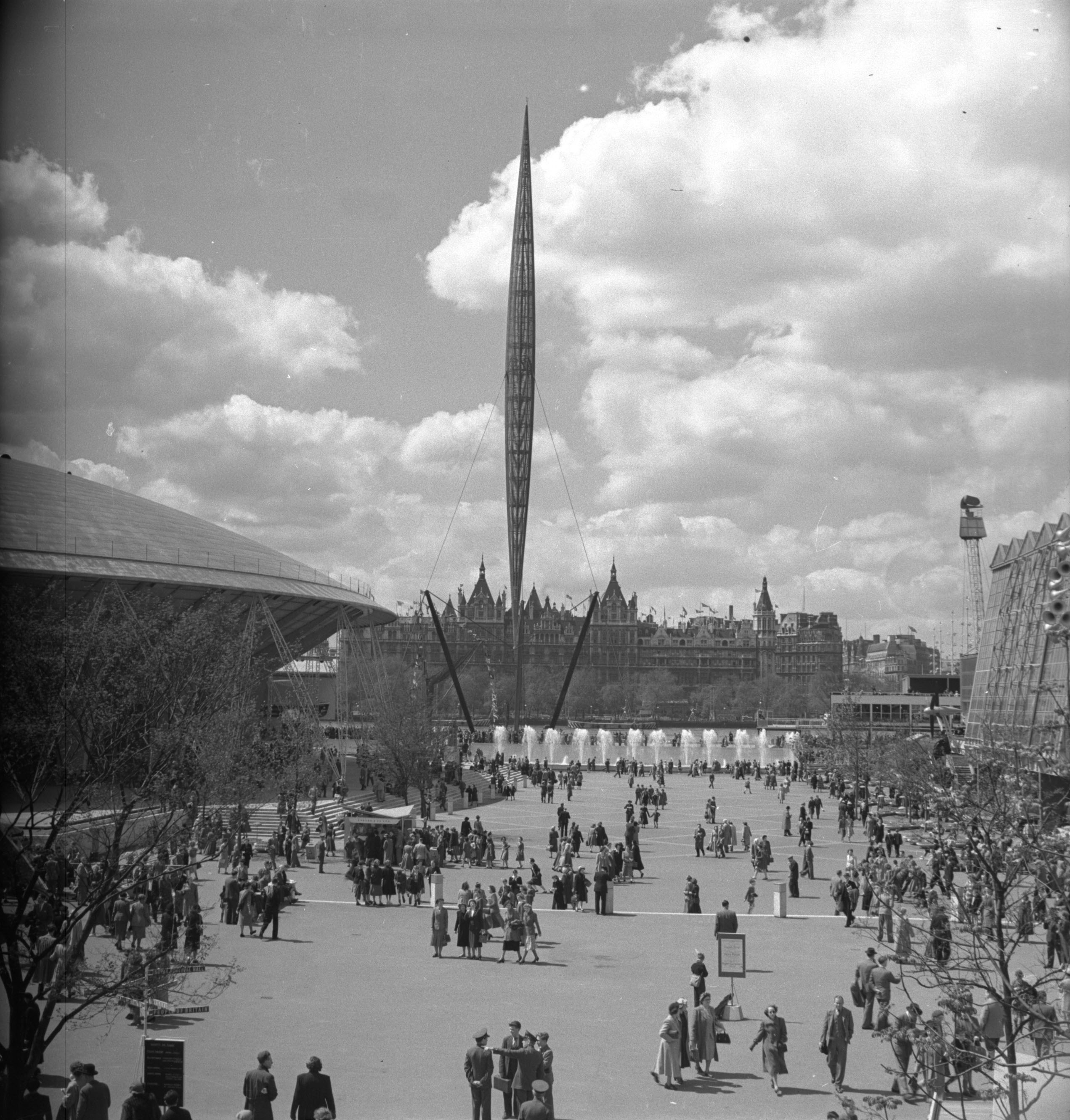
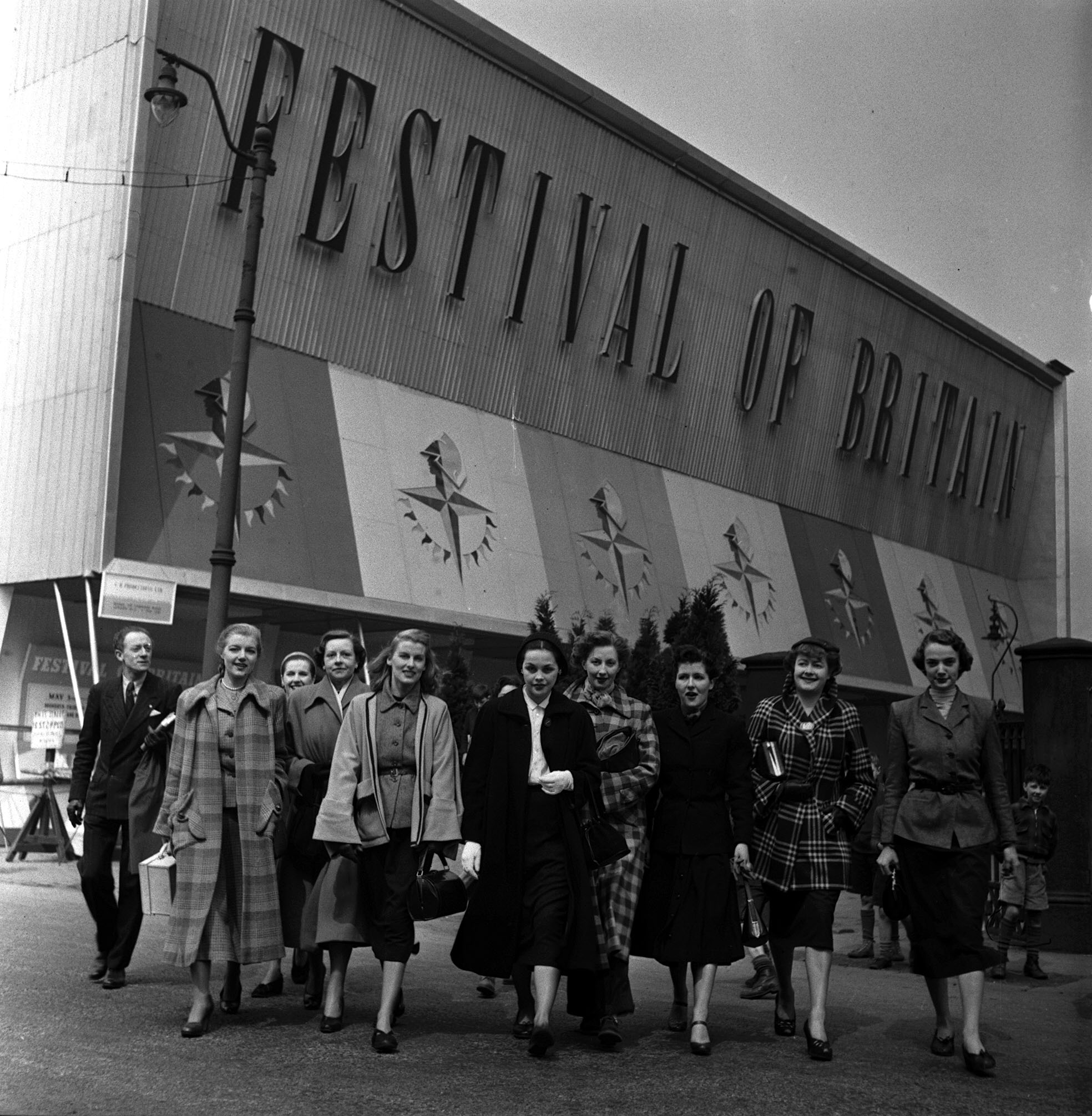

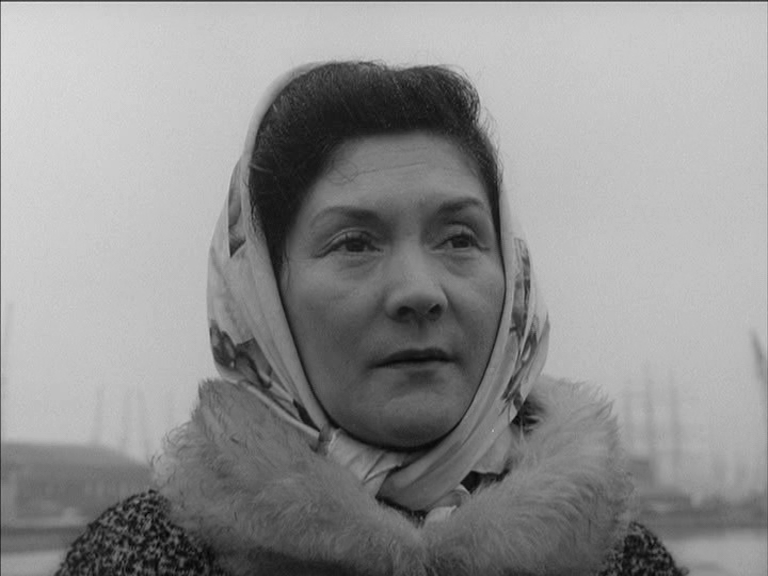
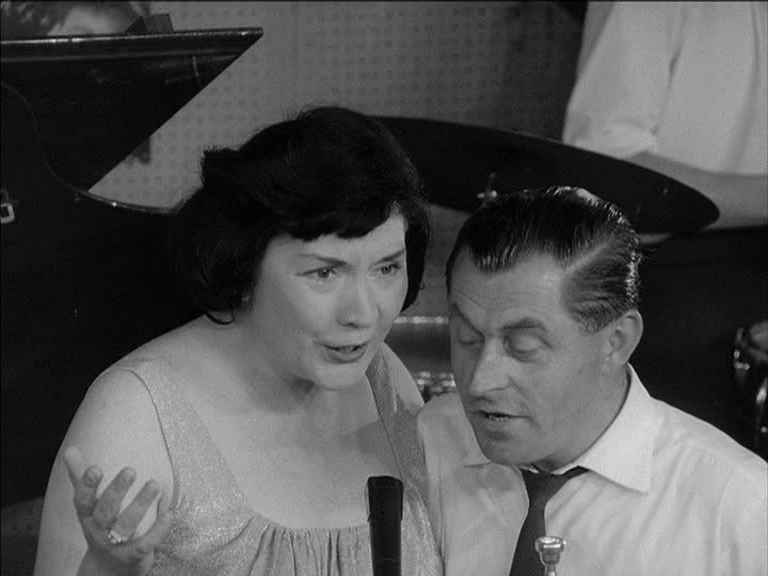
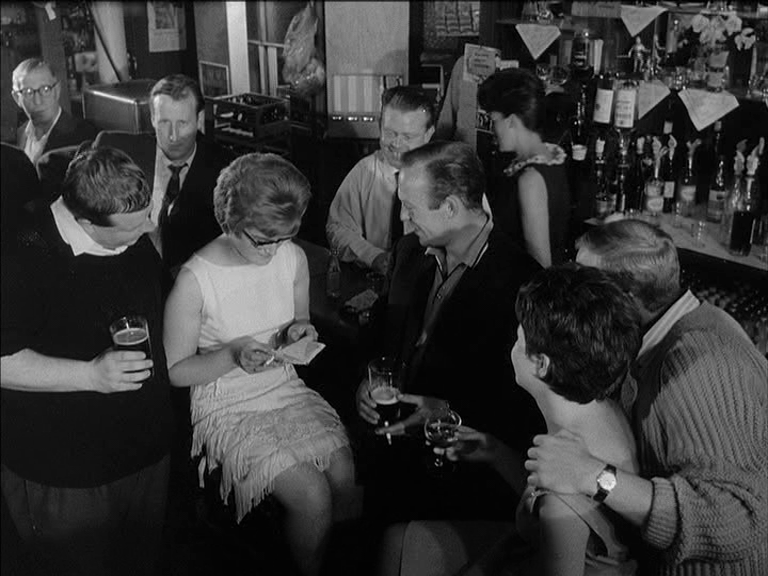
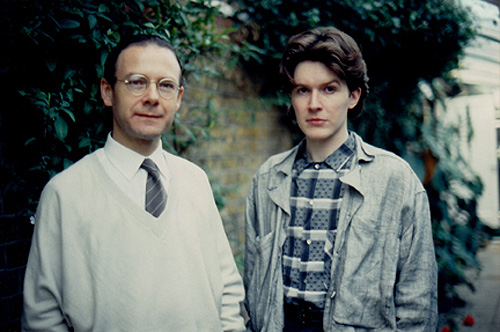
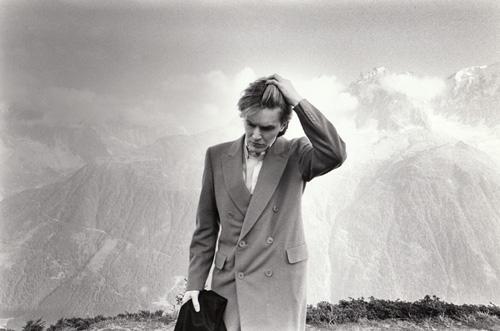


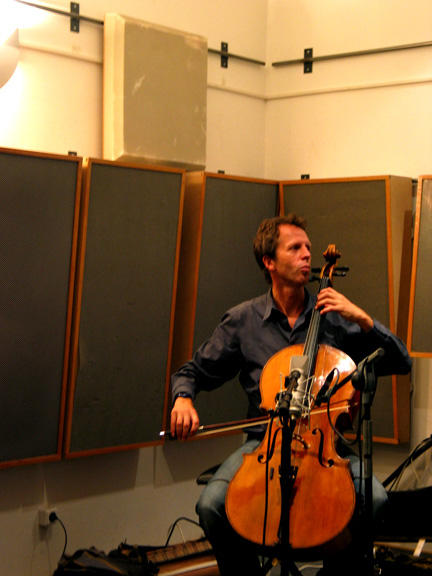


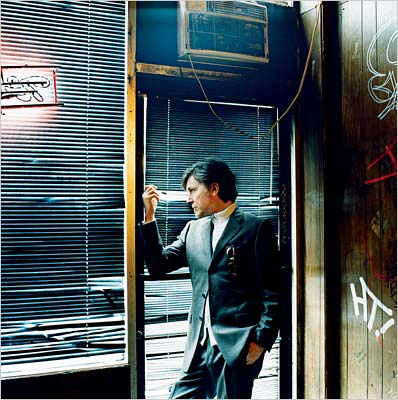

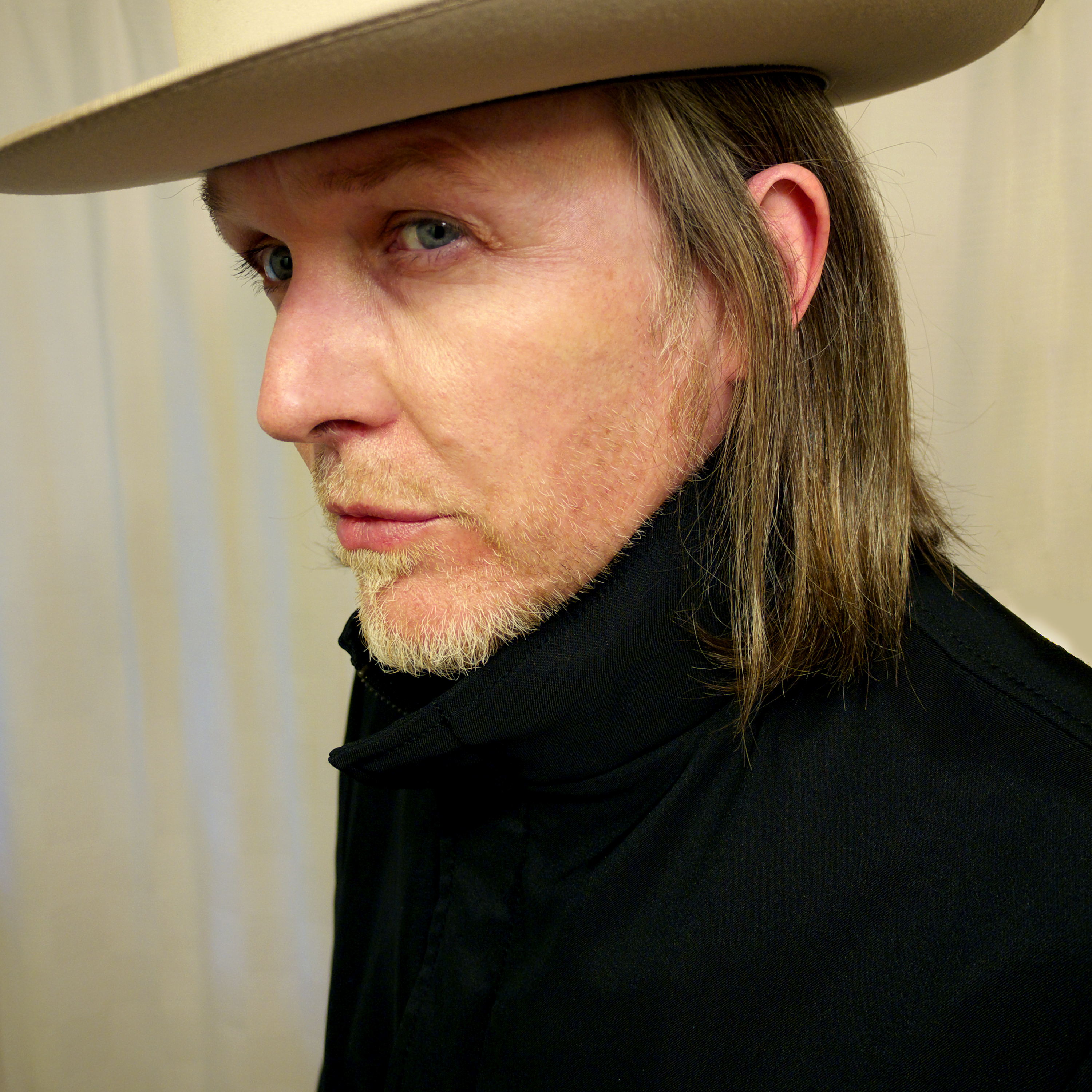




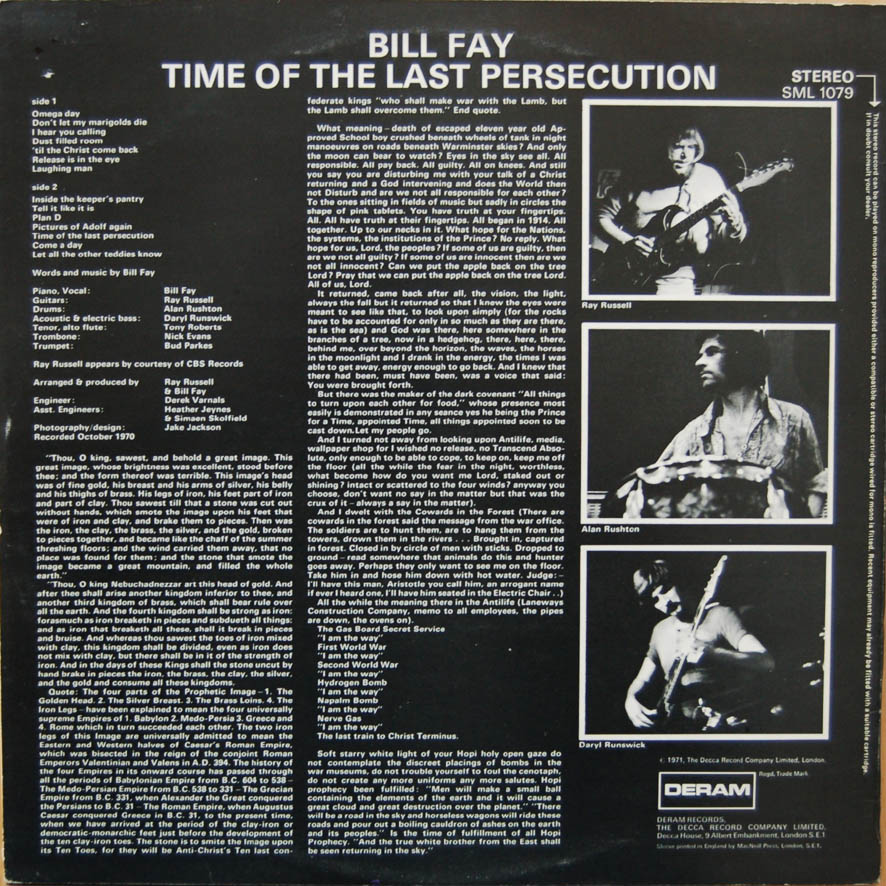

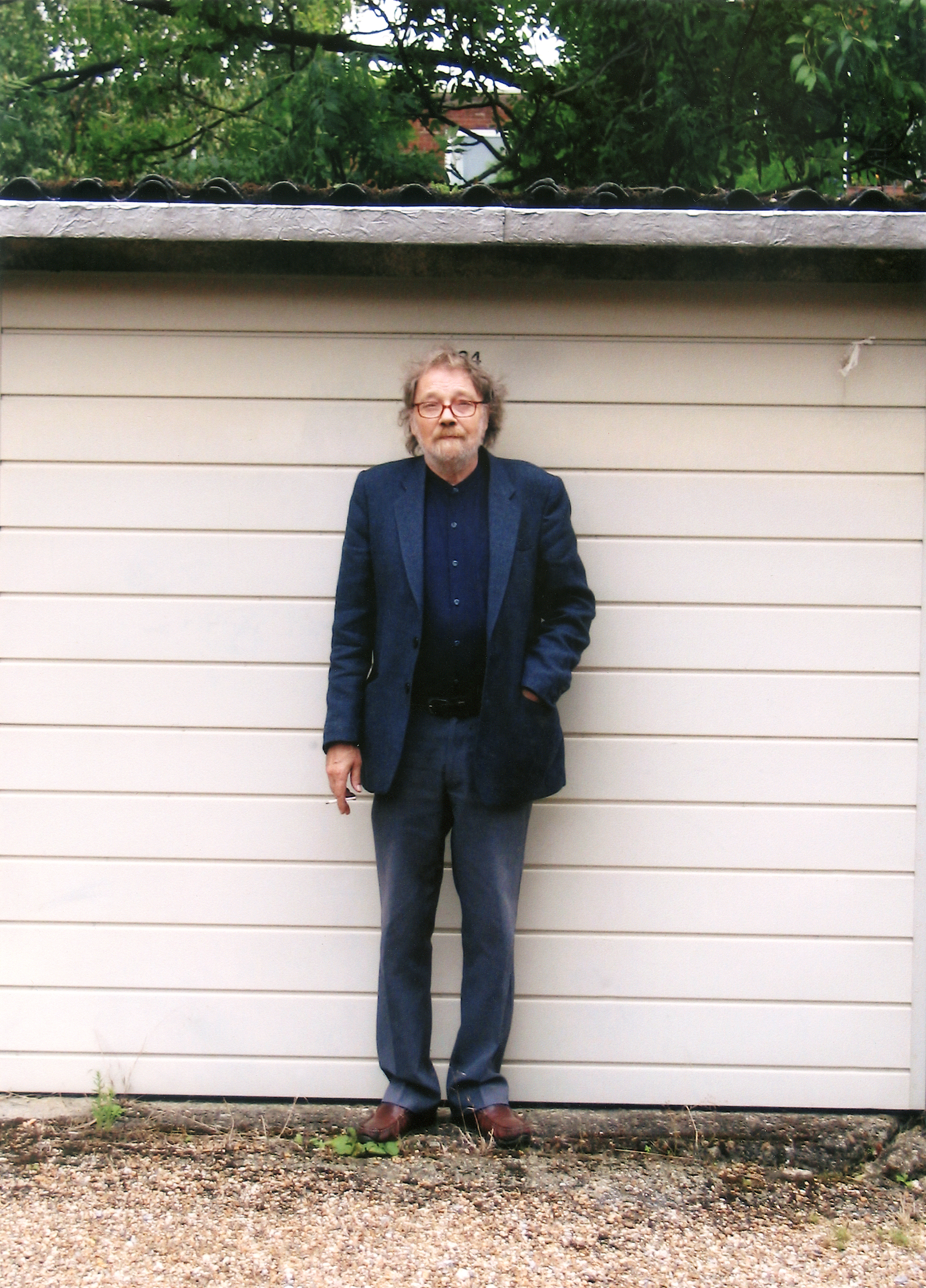
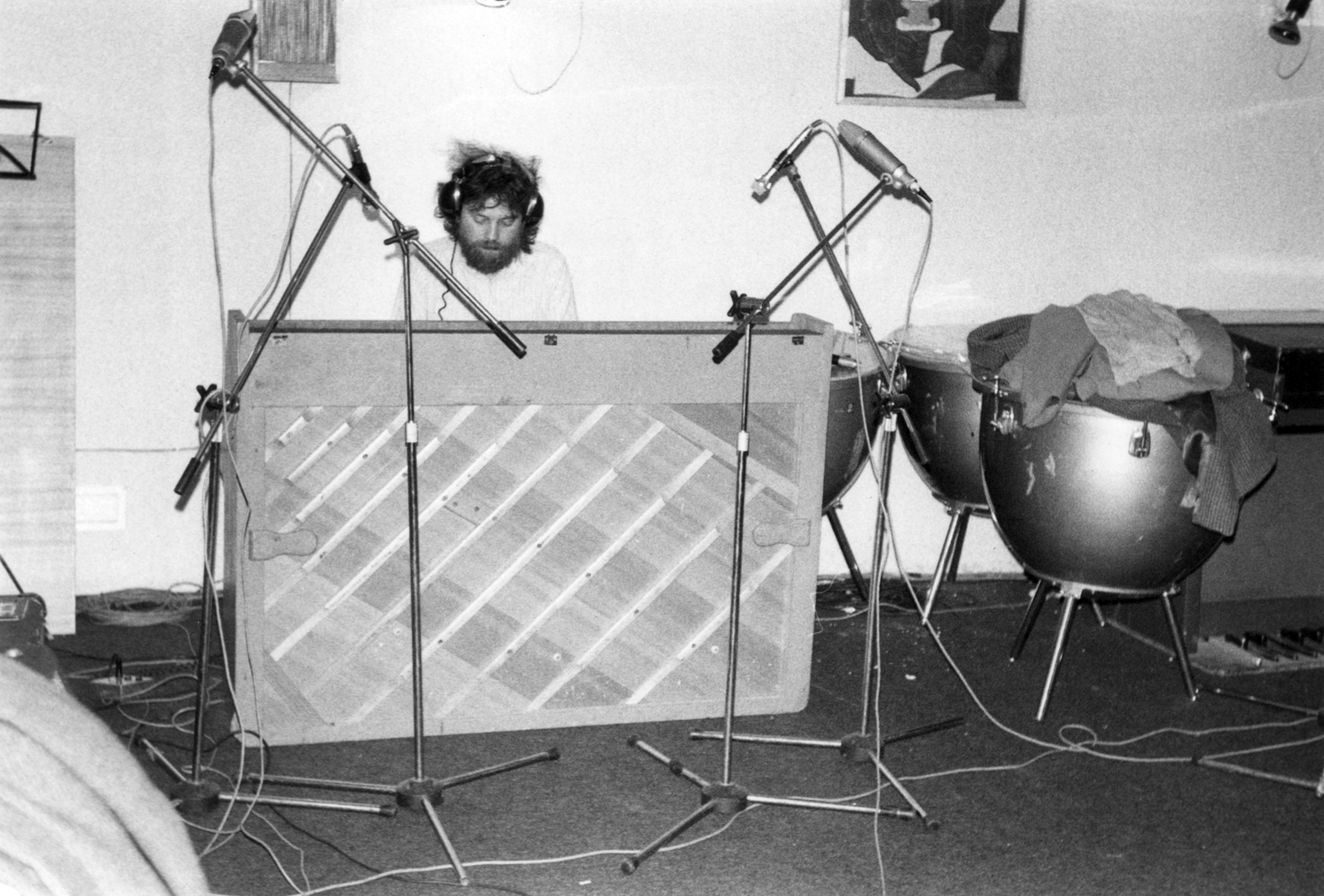


 Robert Leeming