Her great-grandmother had been a hero to the people she had helped, putting her boat to a stormy sea time and again to rescue mariners from the stricken and sinking Forfarshire. She saved fourteen and on the fourth attempt disappeared into the spray.
And her grandmother’s window looked out over a North Sea view, then aged six if that, she would cower beneath the covers on stormy nights fearing any minute the waves would crash through her room smashing windows and peeling doors clean from hinges.
Pristine toes on carpet, creeping from bed to window, still midnight air whispering as she stirred it, she would dare to peer out of the drawn curtains to see the esplanade always preserved and un-breached and standing still ready to protect her should the surf brave an attempt on the shoreline and the village fall to nature.
That night she dared not move, the howls and shrieks of the ocean being far too severe, far too near to chance it. Instead she slipped deep beneath her eiderdown, head swallowed by the bed sheets, a soft linen shell of protection from her seaside world and if she awoke in the middle of the ocean then she would simply go below and wait for sand and the wind to take her home again.
Her door creaked open, warm light bathing pine, expecting waves and hearing nothing she lifted an eyelid and spied her mother in shadow coming towards her. Kissing her on the forehead, brushing the back of her fingers against her soft cheek, she whispered “I love you,” and made into the night. Staying still and feigning sleep, it was the last time she ever saw her.
On hearing of the feat achieved and the bravery shown, every man and every woman with a boat to use took to the finally placid waves to find her, and when the body was found, washed miles away, it was returned to shore and borne to church on a rushcart covered and decorated and draped in blue bugloss, the colour of her eyes.
When they woke her, still beneath the covers, waiting for the waves, they told her that if water drowns flowers the flowers turn to soil and that same soil bears flowers anew, but if she picked them and kept them and pressed them then the flowers would live for ever and ever and be with her every day of her life, or as long as she needed them to be.
2
Smoke shimmered above them as they kissed, he jumped, parting lips from hers, as ash fell onto his flesh from the forgotten cigarette in his hand. He pulled back and cursed, throwing the glowing remnants to the grass. Leaning in towards her again she disappeared, he paused, was she ever really there?
You took a girl to the fair, it was one of those things you did, a rite of passage, something different from the pictures and anyway Quo Vadis was still playing and they’d seen it twice, not that he wouldn’t go again, if she wanted to, he’d do anything for her, and she’d do anything for Robert Taylor.
He knew bits of that film by heart, Rome in flames, the Christians being blamed, Vinicius turns to Petronius and says, “The people won’t believe such a lie,” and Petronius replies, “But they are believing it, people will believe any lie if it is fantastic enough.”
Fantastic, what a word he thought, somewhere in between fatalism and paradise, totally out of kilter if whispered in a grey world full of raincoats, but a sparkler on the water when it was used amid the dullness. A word out of place, just as to him, in his grey world, she was the light, out of place perhaps but fantastic nonetheless. She was that rare phrase which could only be uttered in truth for anything other would be mockery and he believed in the word, believed in the word with all his heart, even if it was a lie.
She moves through the fair and the fair moves with her. She is the person who casts the players into pattern and she is the figure which they circle. She moves through the fair and the fair is hers, eyes like viper’s bugloss, echium vulgare, bright and brilliant and blue. She moves through the fair and the fair is hers, and if she slips the whole world will bear her up again without an eye being turned, because beauty does not stumble here, it flourishes and shines.
He remembered the afternoon they had spent together at Forfarshire, the afternoon when she had shown him the flower pressings, books and books of pressed flowers her grandmother had made and passed down, and she told him her grandmother couldn’t live without them and now neither could she.
What ever happens after me, he thought, I hope she finds love eventually, and that when she does, it is everything she ever dreamed it would be.
Alfred Hitchcock personifies cinematic suspense, he virtually invented it and then wrote the book on how to portray it on the screen. You only have to think of the shadowy figure approaching the shower curtain in Psycho, or the eerie enclosure of the San Francisco streets in Vertigo, the windmill spinning backwards in Foreign Correspondent, the violent storms of Marnie and, of course, Cary Grant’s darting run across the cornfields from a diving airplane in North by Northwest, to see that.
He was the master, emulated by the best, compare the opening credits of Goodfellas and the narrative of Mulholland Drive to Psycho for example, and one sees that Scorsese and Lynch are fans, add to that list Spielberg, Truffaut, Charbol, Almodovar, De Palma and countless others, Hitchcock devotes all. Hitch’s influence over the film of today 31 years after his death is still impressive, so it is no wonder that the British Film Institute plans to devote a large chunk of its screen time in 2012 to a Hitchcockian feast.
So, why is Alfred Hitchcock one of the most influential film directors of the 20th century? The answer to that question is long winded and no doubt disputable, but a good starting point is to say that his were some of the first films to grab the audience by the scruff of the neck and immerse them deep within the story being told. Think of Rear Window, that great physiological thriller from 1954 with James Stewart and Grace Kelly. It’s a story basically about voyeurism, as Stewart, stranded in a wheelchair with a leg in plaster, becomes obsessed with observing the lives of his neighbours through a telescope. Hitchcock guides the camera towards the windows so we get a glimpse of their lives too, not to the extent that we know fully what is going on inside, but enough to get us interested, enough to get the audience craning their necks to get a better view, wanting to know more, turning those watching into voyeurs themselves, the basis of the cinematic medium.
His contribution to the horror genre is considerable too. Psycho basically opened the door for graphic violence on the screen, although its violent content is relatively tame by today’s standards, in its day Psycho was quite outrageous. And again even in the more violent episodes in his films, the audience is front row centre, with inventive camera shots being utilized to plant us deep within the character’s field of vision, implicitly involving us in the murder. This is a technique used constantly by directors today, but was a Hitchcock innovation.
The mastery of different moods throughout his work is also noteworthy, contrast the ghostly almost Gothic atmosphere of Rebecca (1940), with the seedy neon London of Frenzy (1972) for example, the camera backtracking away from a murder scene down a dingy staircase and out into a heaving city street, presenting the underbelly of a city in one unbroken shot. And then of course we have the consistently odd and unsettling characters, represented best in these two films by the meddling viciousness of the omnipresent Mrs Danvers, Manderley’s horrific housekeeper, played expertly by Judith Anderson in Rebecca, and the creepy serial killing rapist, Robert Rusk, played by Barry Foster in Frenzy.
In simple terms Hitchcock was a master story teller, who told his stories with an overwhelming sense of style. What really is better than watching Cary Grant charm his way across America in North By Northwest, wearing beautiful suits, blagging his way into Eva Marie Saint’s arms and whispering “the moment I meet an attractive woman, Ihave to start pretending I have no desire to make love to her,” before giving James Mason his comeuppance while clambering all over Geroge Washington’s face? Not much. Many of Hitchcock’s techniques have been passed down to today’s directors and that is a testament to his genius, but there is a certain sense of style that simply cannot be recaptured or summoned up out of thin air. He should have bottled it, because it’s impossible to re-create.
The Genius of Hitchcock season at the BFI Southbank, London, runs June – October 2012 http://www.bfi.org.uk/
The Queen’s sixty years of the throne have been a byword for stability. She has always been there, always reliable, always uncontroversial; she has represented this country with an understated grace and an unfaltering sense of duty for as long as the majority of people can remember. She has reigned for so long, in fact, it is hard to believe that this woman who seems so fixed at the centre of our national life was never born to be Queen at all. Unlike her son, Prince Charles, who has been heir presumptive since birth, Queen Elizabeth II, born in 1926, despite her immediate celebrity, was expected to become only a minor royal, a low-key Duchess of York and the simple country woman that she always wanted to be.
But as we all know destiny stepped in and on the death of George V, Edward VIII, being unable to marry Wallis Simpson, abdicated, announcing famously that he could not rule without “the help and support of the woman I love.” The crown passed to the Queen’s father, George VI, thus making Princess Elizabeth his rightful heir and successor and ultimately the woman who would celebrate only the second Diamond Jubilee in British history.
Yet when she did accede to the throne, the news coming to her when she was touring Kenya, the British establishment at home was wary of the 24 year-old Queen and unlike the majority of her royal predecessors, she inherited a crown which had been worn, briefly, by another person still living.
After his abdication the newly dubbed Duke of Windsor disappeared into exile in France. Despite his affair with Wallis Simpson, Edward had been a popular figure, viewed as modern and exciting by the public, a million miles away from his staid and glum father. Meanwhile Princess Elizabeth had settled into life as Queen-in-waiting, becoming engaged to Philip Mountbatten, later the Duke of Edinburgh, then an ambitious naval officer, with eyes on the highest ranks of the admiralty.
The name Mountbatten was a controversial one and Philip a controversial figure, his uncle was Earl Mountbatten of Burma, the former Governor General of India, who was an ambitious and egotistical man cut from the cloth of the glory days of the British Empire. He wanted his family name to surpass that of Windsor as the title of the royal house and become the House of Mountbatten on Philip’s marriage to Elizabeth and her accession to the throne.
This would have been the practice in royal transitions past, but the thought of a House of Mountbatten and the potential influence of a new family caused real unease in London, and a whole set of court traditionalists used to living in the favour of the House of Windsor began to panic as George VI health worsened.
It was thought for a while during the King’s battle with arteriosclerosis and later lung cancer, that that he would live, but would be unable to fulfil any of his duties and that a regency, like that which saw George IV standing in for George III during his famous bouts with madness, would be required.
This news reached Paris, where a still ambitious and somewhat bored Duke of Windsor was eager to be invited back to the UK to save him from his vacuous jet-set life, anticipating a high profile role in British national life on his return. With Elizabeth still only in her early twenties and with the feared threat of the Mountbatten influence, the Duke began to think that he would be the obvious choice should a regent be required.
The Duke began a correspondence with Kenneth de Courcy, a key figure in the exiled Windsor court, papers recently unearthed by the royal biographer Christopher Wilson. de Courcy, in a written conversation which is careful to avoid becoming treasonous, advises the Duke that he return to England to test the water and make himself apparent as a potential regent, “I should like to see you buy an agricultural property somewhere near London,” de Courcy writes, “and devote a good deal of time to experimental farming on the most advanced modern lines, sufficiently near London to make it possible for people to drive down for dinner, I venture to say that if this advice were followed, the results would be remarkable.”
The Duke replied at one juncture,“It certainly is a situation of great delicacy but, at the same time, one in which it would seem I hold fifty per cent of the bargaining power in order that the Duchess and I can plan for the future in the most constructive and convenient way.”
de Courcy even wrote to the Duchess of Windsor, who was renowned as being extremely ambitious and a great supporter of her husband, in an attempt to try and force her to influence the Duke’s decision making. She replied at one point, “We are always busy turning things around and around in our heads – there’s no doubt that something must be done – perhaps a good thunderstorm would clear the atmosphere. Anyway I can’t sit by and see the Duke of Windsor wasted.”
Luckily for the country the Duke and Duchess of Windsor fumbled their chance and didn’t come to a decision quickly enough to return to the UK. George VI recovered slightly and a regent was never required. He was, although visibly frail, able to see his daughter off at London Airport in 1952 when she flew to Kenya. They would never see each other again. Princess Elizabeth returned as Queen, age 25, five years younger than Prince William is now.
The Queen would go onto break precedent and keep her family name against the wishes of her husband, and the Duke of Windsor would never receive the invitation home he craved, dying in France aged 77 in 1972. It is hard to say what kind of king, or indeed regent, Edward VIII would have made, but it is very unlikely the Windsor’s original “playboy prince” would have matched the peerless dedication of the woman who returned stability to the House of Windsor, becoming the popular and well loved figure she is, sixty years later.
Being the morbid type I recently whiled away a spring Parisian afternoon wandering aimlessly around Pere Lachaise cemetery in the 20th arrondissement. This rambling space is home to many illustrious old bones, including those of literary dandy Oscar Wilde. His tomb, newly restored by a grant from the Irish government, is protected by a glass screen, the graveyard equivalent of a buffet sneeze guard, shielding it, like a force-field around a holy-relic, from devotees who have defaced and kissed the stonework to the edge of disrepair.
Today the glass is covered in red lipstick and felt-tip verses, and I wondered if his legions of mourners knew that Oscar used to mill around Oxford walking a lobster on a short length of white string. The girls, it seems, have always loved eccentrics, nobody is worried that lipstick kisses are eroding away Marcel Proust’s grave.
Eccentricity in simple terms can be summed up as doing exactly what you wish without a care for the opinions of others. To harmless ends of course. The eccentric has largely, since the eighteenth century, been a character associated with our islands, but they are, in truth, to be found anywhere where freedom of expression is left unfettered. In his charmingly detailed and informative new book, The Eccentropedia, Australian writer Chris Mikul lists some of the most unusual people who have ever lived and considers their eccentric lives and achievements in a brief biography of each.
Mikul’s eccentrics are split into four broad categories, contrarians, theorists, visionaries and entertainers. Moneyed aristocrats, due to their large amount of free time and bags of money, often fall into the contrarian category, “people who do not give a fig for social conventions and determinedly go their own way, whether it is in their clothing, habits, beliefs, hobbies or living arrangements.” Like Sir George Sitwell for example, a man whose primary accomplishment in life was to invent a tiny revolver for killing wasps, or Henry Paget the 5th Marquess of Anglesey, who squandered his entire family fortune on theatrical costume and modified his car so the exhaust pipe sprayed perfume. Contrarians are not only to be found in the upper classes, they can also to be seen living on the streets, like Bee Miles, a bag lady from Sydney, who memorised all of Shakespeare’s verse by heart and made money by reciting passages on request, money she saved for extravagant splurges such as crossing the continent from Sydney to Perth in a taxi cab, paying the driver five dollars every hundred miles from a plastic bag.
The theorists instead of refusing to conform to society believe they have something to offer it, a grand idea which will revolutionise the way we live our lives or alter our perception of the universe and our place within it. They are often wide of the mark, like Dr. Charlotte Bach, who claimed that all creatures have an inborn desire to become the opposite sex, she was later revealed to be a man. Or William Chidley, whose unrealistic sexual notions combined with vegetarianism and nudism, would, he believed, save humanity from itself. Every now and then though someone does skim awfully close to a revelation, like Cyrus Teed, who believed we were living inside a hollow earth (which makes sense if you think about it and suspend GCSE science for a moment) although this delusion does lose some of its romantic allure when you learn that Teed also believed he was the second Christ. Nevertheless, he did attract some followers, and their attempt to create a New Jerusalem in Florida, a community formed upon communist ideals, was deemed, briefly, to be one of the more successful attempts at a utopia.
Visionaries, the third category, are dreamers, witnesses to usually religious imagery that only they can see, often attempting to recreate these insights through art, sculpture or music. The final category Mikul considers is the entertainer, the writer takes careful consideration not to highlight people whose eccentricity was feigned to support their public image, but studies people whose eccentricity affected their entire lives. Big name entries include Michael Jackson, William Burroughs, Tiny Tim and Andy Warhol, but it is the forgotten names which provide the most interesting stories.
Like Oofty Goofty, the human punch bag. Originally a freak show act called “the Wild Man of Borneo” Oofty Goofty would sit in a cage eating raw meat, chanting his moniker while covered in tar and horsehair. The tar caused him to become severely ill and doctors failing to remove it without taking great chunks of skin opted to dunk Oofty in solvent and leave him on the hospital roof to dry out. This highly technical medical procedure left Oofty temporarily unable to feel pain and, sparking a whole new career, he began charging strangers fifty cents to rough him up with a baseball bat. His run of “luck” came to end when a bare knuckle boxing champion thrashed him over the back with a pool cue, fracturing two vertebra. Then there is James McIntyre, the Canadian cheese poet, whose principle muse was anything dairy, he would regale guests with his cheesy odes at club house dinners, “The ancient poets ne’er did dream, that Canada was land of cream, where everything did solid freeze, they ne’er hoped nor looked for cheese.”
These are just some of the hundreds of befuddled and bemused heads honoured within Mikul’s authoritative tome, from the original thinkers to the alarmingly loony, there is an engaging human story to be found on virtually every page. In a world which has so often proved itself to be outrageously unhinged, one book couldn’t possibly include all the eccentric characters who have made their own broadside against normality in their time, but the most resonant and effecting stories are here, together making a fascinating read. In today’s formulaic era an original mind is a gift and the confidence to sustain originality, in the face of disdain and ridicule, is a gift greater still. If eccentrics live the life they choose without concession and have no regrets for doing so then good on them, just look at Oscar Wilde, his detractors aren’t losing their tombstones to lipstick and love.
Quiet perfection and sealed lips has been the guiding mantra of Anderson and Sheppard, the Savile Row tailor to virtually every renowned dandy of the past one hundred years. Their style of cut, the quintessentially elegant English drape, “the natural look, the sloped shoulder, the limp silhouette,” has graced the backs of many a bon viveur from the dashing Rudolph Valentino to the debonair Cary Grant. It is a style, said Charles Bryant, a former managing director of the company, for men who want to “look right without giving the appearance of having studied their clothes.” For that is the first and foremost rule of male elegance, “the minute a man is overdressed, he is badly dressed.”
The steady and introverted nature of Anderson and Sheppard has seen a degree of outward change since Anda Rowland, the daughter of the famous tycoon Roland “Tiny” Rowland, took over the reins of the business in 2004. Although she bristles at the term “changes” and prefers to label them “re-arrangements”, the cosmetic alterations to the shop have nevertheless been noteworthy. The firm which once nearly sued Sir Ralph Richardson for noting in a theatre programme that he was outfitted by A&S, such was their distaste for publicity at the time, recently took the step of setting up a web-site and published a luxurious book detailing the shop’s history. The cutting room, filled with beautifully dressed gentlemen addressing each other always as “Mister” as they attend to their work, has, after decades of secrecy, been opened to public view for the first time. And in a move which sparked predictions of the immanent doom of bespoke tailoring, the company ditched its Savile Row address for a less forbidding home around the corner on Old Burlington Street. “In prestige terms,” says Anda, “we’re nearly 105 now, we don’t need the address anymore, the reputation can take a move a couple of hundred metres away.”
It is a reputation which has more than its fair share of glamorous lustre, a glimpse through the pages of their old order books will see grand names such as Lord Olivier, Douglas Fairbanks Jnr. and Fred Astaire reoccurring, while a thumb through a more recent volume features names like Bryan Ferry and designers Tom Ford and Calvin Klein. Prince Charles is also a committed customer.
A&S has always attracted a creative crowd, “The more traditional firms didn’t take an interest in actors, they didn’t really want that kind of trade,” Anda says. The appeal of the A&S cut lies principally in the freedom of movement their suits allow to an actor, a photographer or dancer, whose profession is dependent upon movement but also on sartorial sophistication. “We have a very distinctive cut,” Anda adds, “which is the soft natural shoulder and the high armhole, the sleeve itself is bigger than the armhole, which necessitates that it is sewn in by hand, all of this means the clothes actually stay on your back when you’re moving around, so if you are an actor, or if you’re Fred Astaire, the suit moves with you and you don’t need to think about where the shoulder pad is going.”
The English drape was a cut developed by Frederick Scholte, the mentor of Peter Gustaf Anderson, the co-founder of A&S. Scholte was a student of military tailoring, but worked at softening the strict and tight silhouette of uniform, the constructed chest, the nipped in waist, into something lighter and more delicate. Scholte found a sartorial soul mate in Prince Edward, later the Duke of Windsor, who is considered by many to have been the best attired man ever to grace the planet. Tired of frock coats and the stiffness of military attire the forward thinking prince demanded clothes he could breathe in and became the chief exponent of Scholte’s graceful design. The wearer has to have a degree of flamboyance though to carry the style off, he has to fill the space and look the part and be in possession of the necessary confidence and swagger in order that the man wears the suit and the suit doesn’t wear the man.
Despite the exterior face-lift the bespoke craft remains entirely unaltered from Per Anderson’s day. The same set of 27 measurements, twenty for the jacket and seven for the trousers, are taken from every customer and the quality of the materials used is also as high as it has always been, with one fine specimen of Peruvian cloth, being proudly shown off by the firm’s current MD and head cutter, John Hitchcock, costing £1000 a foot, although most of the materials are generally sourced from the North West of England. There is very little snobbery involved either, the customer tends to get what the customer wants, without a raised eyebrow in sight when a skull and crossbows lining is requested or a loud Hermes pattern, in an attempt to express a bright sense of individualism.
Of course a shop bought suit, even from a leading house, would often be cheaper than an A&S number, their standard lounge suit generally checks in at the £3000 mark, increasing in expense the more bells and whistles you add. Anda extols the virtues of bespoke by comparing the craft to watchmaking, “You can have a beautiful watch,” she says, “and someone mentions ‘oh my Swatch cost £12,’ well of course it did and it performs the same function, but you will not be enjoying it in the same way, or be able to hand it down to your grandchildren and beyond, you just don’t have the same relationship with it, plus it doesn’t look as good.”
Old Burlington Street has done nothing to blunt the potency of the brand, despite the financial rigours the world is suffering and with big spending distinctly out of fashion; profits at A&S are up, news that is not necessarily replicated over on the Row. People are still willing to spend megabucks on products they perceive to be quality, but the quality has to be provable; something A&S can do with panache. Anda describes her customer as the sartorial equivalent of the wine connoisseur “who wants to go all the way and visit the vineyard.” And the customers do range from different parts of society, from the moneyed gentry who order sixty suits at a time, to the London taxi driver who has spent a lifetime saving up.
A spike in interest in men’s elegance has also been noted by A&S, after the Italian dominated 80’s and the dress down 90’s there has finally been a “perking up,” says Anda, in male style, complimented by a new found love of bright colour, “After years of casual Fridays, people have finally had it with all that dullness,” she adds. The prominence given to sharp suits in the popular television show Mad Men also has its part to play in the renaissance, the 60’s style pocket square and PT-109 tie clips being in particular vogue at the moment. It’s always been that way for men though, who tend to base their style on dead icons. “It’s similar to women’s fashion,” Anda says, “they use a lot of very young girls in advertising and when anyone questions it they say ‘well women don’t want to look like their seventy five year old mothers, they want to look like their daughters,’ but with a man he generally wants to look like his hero, and his hero, more often than not, is probably dead because he’s a 1930’s guy, or he’s much older and he’s Clint Eastwood, but they tend to be from an era gone by, and that works for men in a way that models don’t, men like to see the clothes on a real body.”
“The whole point of Anderson and Sheppard,” wrote Graydon Carter, editor of Vanity Fair, “is to make suits, overcoats and other garments that conform to an individual like nothing else in this life.” Fashions rise and wane but elegance is a constant. When The Beatles sang on the Savile Row rooftop of Apple Corps in 1969, bemused gentlemen and colourful Carnaby Street hipsters gazed upwards in front of the old Anderson and Sheppard door. Brash and beautiful as it was that scene came and went, but Scholte and Anderson, Windsor and Astaire, still live and breathe in silhouette and shadow over at 32, Old Burlington Street to this very day.
Angles, viewpoints, shadows and light, you can look at an art work and see a live or die passion play, performed by a convoluted and colourful troupe of Jackson Pollock’s dripping and erratically painted lines. You can see a fight to the death, a transient nightmare, if you know where to look. Modern Art is a labyrinth of metaphor and enigma packed within, what are often, very simplistic images.
Labyrinths can be seen everywhere, in the snarled paths of relationships to the difficult routes forged up, and down, the slippery ladder of success. Everyone at some point in their life needs an Ariadne though, with her guiding golden thread to help you safely find your way home. For those not entirely up to speed with their Greek myth, Ariadne was a Greek goddess who fell in love with Theseus, helping him out of the Minotaur’s clutches in the original labyrinth, thousands of years ago. He wasn’t thankful though, after promising to marry her, he betrayed and abandoned Ariadne on the Isle of Naxos, leaving her sleeping on the pebbly seashore. She is a cult figure for artisans who tend to wear their melancholy on their sleeves, and she is an excellent starting point when trying to unravel some of the riddles within Modern Art.
To Giorgio de Chirico, the Italian surrealist painter, Ariadne was a talisman, a recurring figure throughout his life’s work. In all of de Chirico’s pictures of her, Ariadne takes the form of a white statue, an image based on a sculpture of the goddess in the Vatican, reclining on a rock on the shore of Naxos, crossed legged and covered by crumpled robes, head supported in sleep by folded arms. de Chirico transports her from antiquity to a strange futuristic world of empty abandoned piazzas, where galleons sail on sand dunes in the distance and steam trains float through empty and darkening vistas. In “The Melancholy of a Beautiful Day” (1913) and many other of de Chirico’s paintings, which feature her, the statue is hemmed in by shadowy dark arches and colonnades, under which many distasteful characters may lurk. de Chirico said of this recurring motif that “the nostalgia of the infinite is revealed beneath the geometric precision of the piazzas.” This is a precise and claustrophobic world, an infinitely empty and lonely place without time, there is civilization to be seen, on a hill in the distance, but a dark figure, the only living figure in the painting, is prevented from reaching it by Ariadne and the long shadow she casts.
The shrouded and dark figure depicted is in fact a modern Odysseus, another melancholy figure from Greek myth, often prone to bouts of nostalgia. As Homer writes of him in the Odyssey, “he sat weeping by the seashore, as he had before, breaking his heart in tears, groaning, and grief. He looked out across the barren sea and wept.” Today the term nostalgia brings to mind warm and pleasant rememberings of times past, perhaps recalled in a rose tinted light. But the word actually springs from the Greek nostos, meaning home, and algos, meaning pain, it is a sense of loss which runs from the memory of the things you lose as you progress through your life. Emotionaly, this is where our shrouded Odysseus is in the painting, it is where de Chirico himself was when he painted it too, lonely, miserable, cold and alone in Paris, reminiscing back to his Italian upbringing.
A way out is on offer to Odysseus in The Melancholy of a Beautiful Day though, it is on the bustling hillside in the distance, blocked by Ariadne and her shadow. So why can she not be overcome? Because, unlike the arches, which represent nostalgia, Ariadne herself represents melancholy, that irremovable, invincible monkey on the back of any artist worth his salt. Melancholy is a great immeasurable, reasonless sadness, “a luxurious gloom of choice,” said Wordsworth,which some people harbour deep inside and struggle to be rid off. The statue of Ariadne, depicted by Chirico, is particularly melancholic because she is stranded in sleep, forever on the verge of waking up and discovering that she has been betrayed. To any observer she is stranded, constantly a moment away from heartbreak and because of the infinite nature of her sadness, the shadow she casts is impossible to cross, like the impossibility of removing melancholy from a troubled soul.
The themes of melancholy, nostalgia and enclosure can also be seen in Francis Bacon’s 1975 surrealist masterpiece “Three Figures and Portrait.” Here the tragic, melancholy figure of Ariadne is assumed by George Dyer, Bacon’s East End wide-boy partner, who lived his life getting drunk off Bacon’s money in Soho and committed suicide in 1971, a few years before this picture was painted. The all seeing, dead centre portrait which overlooks the three convoluted and seemingly spinning figures is almost certainly Dyer and it is also argued that the two broken bodies, who’s twisted and misshapen flesh turn around two visible spines, are also representations of Bacon’s boyfriend. Dyer is to Bacon in the 70’s, what Ariadne was to Chirico in the 20’s, a figure which represents loss and nostalgia for a time irredeemable. But Bacon does not show the same physical respect to Dyer as Chirico shows to Ariadne, because Chrico’s attachment to her is one of distance and psychology, were as Bacon’s attachment to Dyer is based on flesh, so he is portrayed through the prism of the gut wrenching mess of sex and Bacon’s own emotional reaction to Dyer’s self destruction.
Like in “The Melancholy of a Beautiful Day” and the depiction of Odysseus, here Bacon does a similar thing, placing a bird-like creature to the fore of the painting, with a human gnashing mouth and dripping entrails, in true Bacon style. This figure represents the Furies, the three winged goddesses of judgment from Greek myth, with one sat here in deliberation on Dyer’s brief thirty years, in all its differing shades. However the Furies are not always harbingers of judgment, they can also be protectors and guardians of the downtrodden in society, the persecuted, like gays perhaps, in Dyer’s day, when homosexuality could still lead to a life as an outcast and even prison time.
The claustrophobia induced by Chrico’s arches and shadows are replaced in this work by circles, inspired by Bacon’s interest in primitive radiography, when areas of treatment in diagrams were often indicated by yellow circles. Here the area of treatment is within the wide yellow circle, which takes up a quarter of the canvas, turning this space into a radiographer’s room, where the rays do not allow us to view the body from the outside in, but turn the body inside out, for the ultimate examination. An opaque sphere, in the left of the painting, offers the only area of redemption, an air bubble, in an otherwise poisonous room, the tiny confines of which being the only place where Dyer’s head is clothed and intact.
The emptiness of de Chirico’s Piazza squares are also echoed in Jannis Kounellis’s “Untitled 1979,” a large charcoal drawing which features a seemingly empty town. Perhaps it is the town which Odysseus can see on the hillside, if it was, he would be sorely disappointed, because it is just as lonely as his current position. To the right of the picture are five charcoal faces and above the townscape, a jackdaw and a hooded crow, struck by arrows, mid-flight. An Ariadne figure is no longer recognisable in human form here, instead she can be found in bricks and mortar, in the industrial chimney which rises above the town, smoke billowing from its brim. The chimney to Kounellis is a monument to the passing of the Industrial Revolution, nostalgia for a time lost, for a time when chimneys lined the sky and poured smoke into the atmosphere. The chimney is also representative of the creative mind, the toil of pouring heart and soul into art, with the pinioned birds representing the imaginative mind stalled, prevented from soaring, by fear of expression, something to be avoided at all costs, because creativity is the ultimate vent for nostalgia and melancholy.
A photograph captures a mere moment in time. Something always precedes and follows an image and the events that precede a photograph tend to colour it. What are the secrets behind a feigned smile or a flirtatious glance in an unfitting direction? Why are there flowers on the mantelpiece? Who is that woman? Why is she crying? In some cases we don’t know how a photograph came to look the way it does and what confluence of events brought people together to pass in front of a camera shutter for a brief moment, before moving off into immortality, leaving behind an indelible footprint of a set of circumstances, which to them were everything, but to us are a mystery. We can imagine though and we can guess.
New York – New Year’s Eve – 1967
1
“Behold the customary loves and friendships,” Michael flipped over the page, “I am he who kisses his comrade lightly on the lips at parting, and I am one who is kissed in return.” He threw the book onto a chair. “Am I ignorant not to get,” Michael leaned over the back of the sofa to gain a better view of the cover, “Walt Whitman, because I don’t get Walt Whitman?”
Sally, his girlfriend of three years shouted from the bathroom, “That’s natural, you’re a student doctor, if you liked Walt Whitman there would be something quite wrong.” Their flat was a mêlée of the scientific and the artistic. She was a painter turned waitress who had filled the room with half finished canvases and sketch books while his medical journals and texts were left to take up any remaining space.
“I don’t like that comment,” he yelled back, “if I wanted to get Walt Whitman I would, I like poetry, when I’m in that kind of a mood.” Michael reached for his grey overcoat and mumbled underneath his breath, “I’m just not often in that kind of a mood.”
Sally, girlish and twenty-five walked in, her blonde hair tied back, she was wearing trousers beneath a brown coat, trousers like her hero Katharine Hepburn and trousers, more realistically, because it was freezing outside. “What time are we meeting Archie and Margo,” she asked, “are we meeting them in town?”
Michael had sat down again and was mired in her book. “I introduce that new American salute, behold love choked, correct, polite, always suspicious,” he read aloud. “Always suspicious, does Walt Whitman know something I don’t?” Sally was used to his delaying tactics, Michael hated New Year and she knew it. “Come on,” she asked again, “when are we meeting Archie and Margo?”
He stood up and fastened the buttons on his coat, “I think I’m going to introduce a new American salute, something rude and distasteful, something Walt Whitman would love.”
“What time are we meeting them, we’re meeting them in town, aren’t we? Aren’t we?” Margo paused for an answer and stared into a large mirror covered in old tickets and playbills, lipstick red messages and bright reminders scrawled on the glass for memories sake. “Aren’t we?” she shouted again.
Archie appeared in the doorway a dark trench coat folded over one arm, he looked younger than he was and still had possession of a roundish baby-face.“You’re a Virgo aren’t you Margo?” Archie asked, “A Virgo?”
“Oh, Jesus, not again,” Margo replied, eyeing his reflected image in the mirror, “What time are we meeting Michael and Sally, Archie?”
“Only I was talking to one of my hippie friends today,” Archie continued, ignoring her question, fiddling with the cufflink on his left sleeve, “well I say hippie, no, he is a hippie, and he said that Uranus and Pluto, you know the planets?”
Margo spun around from the mirror to face him and shouted, “What time are we meeting Michael and Sally, Archie, stop fucking around?”
“Oh come on Margo, the planets,” Archie said, glancing upwards, “Uranus and Pluto, they’re going to be in direct conjunction, happens once every oh, thousand years.” Archie stretched his left arm into his coat and made for the coffee table and a bowl of fresh fruit resting on top of an old and curling copy of Vanity Fair.
“This apple, Uranus, stands for rebellion, vicious rebellion, ironically enough against power,” he leant down to pick up an orange, “and this orange, although it is exactly the same size as exhibit A, is Pluto, stands for empowerment and the radical, Karl Marx and long hair and Jefferson Airplane and things like that.” Margo rolled her eyes and picked up a glass of red wine resting on top of the wooden mantelpiece, she was ready to go, her coat was on, with its fur cuffs and collar, real fur, she was the type.
“They’re both going to mirror each other, this year, in your sign, Virgo, you are a Virgo, right, Margo? Margo?!” She failed to reply and stared at Archie. “And you know what that means don’t you, when this apple and this orange meet, collide even?” He stood, holding the fruit aloft, hopefully awaiting an answer.
“Fuck you Archie,” she said, in desperation, finishing the wine in a gulp, “I’m going.”
“It means revolution and crisis and riots and bomb squads and misery, that’s what it means,” he sank into the easy chair, creasing his coat in the process, “and you want to go out and celebrate, to whoop it up, to toast our own imminent demise,” he jumped upwards so his knees were digging into the dark leather, his feet facing outwards, his front against the leather back, balancing precariously, “oh Margo,” he laughed, “you’re so reckless!”
2
They had known each other for a year, Michael, still at college and about to return for his final months before he took up residence at St Bartholomew’s Hospital, had rented a small flat on the East Side with Sally. Theirs had been a powerful affair to begin with, but it had levelled out and settled into the mundane perhaps a little too quickly. Archie and Margo were still only acquaintances, thrown together as squash doubles and yet to reach the level of fully fledged friends. They were a little further down the path, both had jobs, Margo a secretary and Archie a rising star at an IRS office downtown. She was content, he was not content, she was happy with simplicity, he wanted more and exercised his energies on hopeless hobbies and wild schemes which always came to nothing. The two couples were friends because they were there, because friends were hard to come by and acquaintances old or new were always easier to keep than dispel. There was no inherent attraction.
“Don’t get Archie started on facts, useless facts I might add, we’ve already had the progressions of the cosmos acted out tonight, he doesn’t need the encouragement,” Margo shouted, guffawing at the end of the sentence. The four were having dinner at a restaurant before heading to Times Square for the New Year celebrations.
“The stars? Oh I love the stars?” Sally replied. She had opinions on everything and liked to express them, it was an unlikely mix him and her, too much chaos facing too much practicality.
“Not the science though darling, not the science,” Michael said, taking a sip of his wine.
“Michael’s into science, the clinical appraisals of things,” Sally added, “he is going to be a doctor soon after all,” she placed a hand on his knee under the table, “aren’t you?” He failed to reply but Sally continued, “No, I tend to hope there is a little bit of mystery in things, that everything can’t be summed up in boring chemicals and equations and particles and physics.”
Michael rolled his eyes, “She likes the horoscopes in the Post too, everything has been in the horoscopes hasn’t it, Sally?” She glared at him.
Margo who could sense trouble at a moment’s notice, but tended to like to dabble in it once spotted, changed the subject immediately, “Where’s the food? This is what happens when you don’t go to a top tier restaurant.”
“This is what happens when you eat out on New Year’s Eve,” Archie insisted forcefully, eyeing the peripheries of the room.
“I’m going to become one of those ladies who lunch,” Margo announced, ignoring Archie’s complaints, “at the Colony Club, with the Duchess of Windsor, I’ll go there in my pill box hat, pay over the odds and eat nothing.” Allowing her meddling nature to get the better of her Margo launched back into the previous conversation, “Hey, that’s what you were talking about earlier,” trying to disguise her poison with enlightenment, “wasn’t it Archie, horoscopes, tonight, wasn’t it?”
“Well,” Archie started, thrilled to get a shot at his pet subject, “I’m not usually one for predictions, but.”
”I like to think back to what I was doing this time last year,” Margo interrupted, shrilly regaining control after seeing Michael squirming in his seat, “and to try and figure out if I’m any more content now, than I was then.”
“I’m content,” Sally said almost innocently; she looked to Michael for support.
“What were we doing this time last year?” He asked her, turning in his seat to look into her eyes, trying to dodge the issue.
“We were with Alvy and Kate, here, don’t you remember, in New York?”
“I think I’m content,” Archie said to Margo, as Sally fiddled with her knife and fork, still unused.
“She’s pregnant you know now, Kate, she’s pregnant,” Sally whispered, looking up from the table.
Michael was surprised, “Pregnant, Kate and Alvy, it’s funny, they never seemed that close.”
“If you’re content, then I’m content,” Margo replied, placing her head on Archie’s shoulder.
“Well, I’m content up to a point, Margo, content up to a point,” he ventured, stiffening in his chair.
“What’s that supposed to mean?” she snarled, her body snapping upwards like a dreadnought aligning its guns for battle. “Well, this is no time for complacency after all, is it?” Archie chuckled into her face, before bracing himself for the immanent bombardment.
“Everyone should just concentrate on trying to be happy,” Michael announced idealistically to the whole table. It was a sarcastic comment on his part, something which he wouldn’t normally have said, but he could sense an argument brewing and he loved to be outrageous under such circumstances. In reality happiness didn’t really figure on his radar, only survival.
Sally laughed, “Unlikely doctors orders those,” she said irately, “coming from you.” A waiter, his arms covered in plates piled high with steaming food caught their eyes and came within millimetres of their table, before changing his course.
Michael looked at his watch wondering how long it was worth waiting before casting a complaint.
“Are you trying to say you’re not happy Michael, are trying to say you’re not…” Sally started, before Archie, in full flight, moved his arm forward and almost knocked a glass of water into her lap. Sally stopped, acknowledging the near miss, while Archie continued, “Content, the world isn’t content Margo, this is going to be a hell of a year, I’m wise to be cautious.”
Michael seeing the mistake tapped Archie on the forearm, “Excuse me,” he said, failing to get his attention, “excuse me,” he repeated.
“What?” Archie responded indignantly, he hated being interrupted.
“Will you calm down, you almost drenched us!”
Archie scowled, he hadn’t noticed, “Sorry,” he said curtly before resuming his lecture to Margo.
“I just can’t believe that Kate is pregnant,” Michael said, sitting back, changing the subject, in an attempt to calm down, “Alvy struggled to walk in a straight line, never mind get someone pregnant, but then again I suppose it doesn’t take too much, does it?”
Another waiter dressed in black and white appeared on the horizon catching their eyes. “Are you trying to say you’re not content Michael,” Sally pressed, “are you content?”
“I’m perfectly happy with me and you Margo,” Archie continued, summing up, “perfectly happy, I’m talking about Pluto and Uranus, Pluto and Uranus, rebellion and.”
“Walt Whitman,” Michael shouted over everybody, “has anybody read Walt Whitman?”
3
“What do you do with it, come on, you must know, what do you do with it?” In the crush to leave the square Archie had found a blue plastic cavalry horn lying in a gutter, a novelty, a year’s end souvenir a man with a wooden wagon had been selling on 53rd Street along with a pile of Richard Nixon masks and some spinning bow ties.
“You put it to your lips and you blow,” Sally replied, sliding her arm underneath Archie’s as they walked. The couples had changed places, mixed in the crush by accident largely. Nevertheless the drink had loosened the ties of their traditional symmetry, so they were content, for the time being, to be in different company.
“They’re having quite a time back there by the sounds of it,” Michael said to Margo, they were quite a few paces in front of the others and Michael was walking briskly, trying to reach the subway and home in the quickest possible time, such was his desperation for the evening to end.
“Why are you even with her?” Margo drawled, she was drunk, ever-so, a combination of wine at dinner and numerous bottles, plastic cups and communal gulps of liquor in the street. “Why are you even with her?” Margo repeated, “You’ve hardly said a nice word all night.”
Michael bristled with an increasing level of contempt, he hated questions, he hated personal questions in particular, but he felt a little more at ease than he would have normally knowing this conversation would be expunged from memory by alcohol come the morning. “She’s probably on my side, I just hate rolling through the motions,” he explained, quietly.
Margo blatantly wasn’t listening, her concentration was focused on walking, but she managed to mumble, “Why don’t you just be nice,” as Michael moved on ahead to reach the subway.
“Michael you’re a fine man but you’re a dullard, you need some life breathing into you, I want you to have this,” Archie thrust the blue novelty trumpet towards Michael’s grey raincoat as he arrived at the station, swaying slightly as he did so, the drink hindering his balance, yet making his confidence bulletproof. “Blow in it once in a while,” Archie daringly continued, “it might make you feel better.” Archie and Sally, still arm in arm for balance’s sake if nothing else, giggled, as Michael took the horn.
“Come on Sally, you’re drunk,” Michael said, holding out his hand, hoping she’d clasp it, but he put it down again before she had the chance.
“Aren’t you a little drunky too Mickey,” she laughed, “oh don’t tell me, you’re a student doctor, someone might be giving birth,” she started shouting, “if anyone’s giving birth around the block Michael will help you,” she gasped for breath, “he’s not drunk!”
Michael closed his eyes for a moment and took a deep breath, pinching the middle of his nose between his thumb and forefinger, “Come on, I think it’s time for us to go.”
He waved Archie and Sally into the subway first and followed with Margo towards the metal escalators which led to the tunnels. “Are we home,” Margo slurred, suddenly springing from her drunken stupor, barley able to put one foot in front of the other.
The escalators had stopped, it was late, but despite the likelihood that the last train had already gone Archie and Sally tentatively set off down the metal steps one at a time. At the bottom Archie’s legs gave way and he sank to the floor, taking Sally with him, slipping into a mess of cigarette butts and colourful streamers. “I’m gone,” he sighed, as he fell towards Sally’s shoulder and she rested her head on the back of his neck.
Seeing the obstruction Michael sank backwards too, in an almost hopeless gesture, giving up to the metal grate below him. Margo followed, the floor being the best place for her. She nestled her head into Michael’s shoulder and said to him, her eyes closed and barley conscious, “Archie,” she sniffed, “stop being a bastard to Michael for God’s sake, he’s only trying his best.”
Michael placed a gentle arm around her shoulder and balanced the blue horn on the step in front. “Behold the customary loves and friendships,” he said to himself.
“What?” Margo whispered.
“Walt Whitman.”
Margo raised her head for a moment captivated by his words, “Bullshit,” she muttered, before slipping back into drunkenness.
“I’m so gone,” Archie repeated lower down the stairwell, “so gone.” He coughed, “You know Pluto and Uranus, rebellion and,” Archie searched for the words and then raised his voice when he had found them, “misery, well,” he paused for breath, “they’re going to collide.” He moved his head towards her elbow and then back up again, yawning, “It’s going to be big trouble.”
Sally fading into sleep just about heard,” You never said,” she objected, “you should have said.”
Archie smiled, finally comfortable, the left side of his face warm against her coat, “Well,” he replied, “everyone’s got the right to be happy, don’t they?”
It used to be the convention that gentlemen always paid their tailor last, which meant that often a tailor was never paid at all. Transactions were made by gentlemen’s agreement, sealed with a trusty handshake, and it certainly was not the done thing to chase an outstanding payment up, that would be far too embarrassing for all concerned. When Anda Rowland arrived at Anderson & Sheppard in 2004, the Savile Row tailoring house to just about every famous man ever considered elegant in the twentieth century, she discovered hundreds of thousands of pounds worth of unpaid bills, money which once collected, has been used to caress A&S into the twenty-first century. The shop, a century old tailoring mainstay, now resides in a chic new boutique on Old Burlington Street, it boasts a busy website as well as a blog after years of avoiding publicity, and the firm has just released a luxurious hard cover book “A Style is Born” detailing the brands considerable history, as well as its never-ending list of glamorous clients. To say Anda is thriving in this one-time male only universe is an understatement. Since leaving Paris and a job with Parfums Christian Dior to take over the reins of Anderson and Sheppard following the death of her father, the multi millionaire businessman Roland ‘Tiny’ Rowland, Anda, in conjunction with the firm’s managing director and legendary head cutter John Hitchcock, has rejuvenated the brand, overseeing a rise in profits after the doldrums of the American Gigolo styled 80’s and the dress down 90’s. “No customer,” it is said of the firm, “is ever rushed, in the old days, it was not uncommon for a gentleman to build a leisurely day around a visit to Anderson & Sheppard.” I spent a cold December afternoon within the snug grandeur of the shop and talked with Anda about the tailoring process, the art of changing the familiar and the current state of male elegance.
What types of people make up the Anderson and Sheppard clientele? Is it what you would imagine, the moneyed gentry for example, city executives and royalty? Or is there a much wider spectrum?
There is a real mix. There are things which surprise people. The number of creative people we have as clients for example. People always think it’s a lot of finance and city types, but we have a lot of journalists, photographers and designers. We’ve always historically had actors, writers and songwriters, musicians and directors, that is very much this firm’s heritage. Some other firms have politicians or military men, or royalty. We have more creative people here.
Some people might come in, as one customer did a few years ago, and because he had a number of homes he ordered eighty suits, so he could have five suits here and five suits there. Very rarely you will have people who behave like that, people who are able to spend money to have an amazing wardrobe. And then right at a different end of the scale you have people who pay a hundred pounds a month into their account here and save up over time to buy a suit.
Oh, I didn’t know that, you can set up an account here?
Yes, we take a fifty percent deposit at the time of order, so they might save up over a couple of years by paying into their account, carry on with the fittings and order when they can pay the deposit, and when they can afford to pay the second fifty percent, they come and fetch the suit. So you get two ends of the scale, you get people who say I want one really lovely suit that they can enjoy and are seduced by the involvement and the process and the quality. And then we have other people who are just in a different league financially.
A lot of times with men it is not only the quality and the fit, but the fact that there is a value in it, you can bring the suit back for repair and changes, and really get years of wear out of it, which you can’t with ready to wear shop bought garments. With a lot of people it’s the convenience too, because once you’ve had something made here you can phone Colin or James up and say “I’m interested in a grey or chalked stripe, and I don’t want the stripe to be too wide,” and they will send you a selection of cloth based on what they think you might be interested in and you can say “that’s the one.” We already have the pattern (the shape and measurements of your figure that the cloth is cut to match) so you can come in and get it fitted and try it on. So customers don’t have to shop around and worry about the fit, convenience is really what brings people back, as well as the quality and the experience.
The snug grandeur of the front of house
Why have you always attracted creative people? What is it in the style of cut which brings them to you?
When the firm was founded in 1906 and certainly in the 1920’s a lot of the other Savile Row firms, the more traditional firms, didn’t really take an interest in actors, they didn’t want that kind of trade. What separates us from many other firms is that we have a very distinct cut, which is the soft shoulder and the high arm hole, the English drape, as the style is called. This necessitates the sleeve being sewn in by hand, because you need to cut a very high arm hole, you need some room in the sleeve to move, so the sleeve is actually bigger than the armhole, which is why it needs to be sewn in by hand, not by machine. All of this means the clothes actually stay on your back when you’re moving around, so if you’re an actor, or if you’re Fred Astaire, who was one of our iconic customers, you need that suit to move with you, and you don’t want to be thinking about where the shoulder pad is going, as shoulder pads tend to have lives of their own, and when people sit down, and they’ve got the suit buttoned, the suit rises up, because the arm hole is too deep, due to the fact the sewing has been done by machine. If you’ve got a tight little arm hole, then the suit stays on your back whatever you do.
And then there’s comfort, which today is more important than ever, because people are not used to not being comfortable anymore, they are so used to wearing casual clothing, so when they put on a suit, often people feel terribly uncomfortable. But with us, because of the construction of the cut, you get comfort and you get movement, which is what appeals to creatives. So for instance our journalists or photographers, Jonathan Becker who took all the contemporary pictures in our book, who works for Vanity Fair, he works in our jackets. Writers and journalists can move around, they can wear our clothes, feel comfortable and do their jobs.
So there would be a completely different feel if you got a suit from a different Savile Row house?
It depends, there are variations. Some tailors have a very militaristic style cut, if their history is military then there is that big shoulder, the strong, very constructed chest, the nipped in waist. We don’t have a military history; we didn’t come from making uniforms. The firm started out in the civil sphere, dealing with people’s everyday lives. Per Anderson (A&S founder) was trained by Frederick Scholte, who was a very well known cutter and tailor to the Duke of Windsor, who famously had that English drape look. He was wearing his clothes a lot, comfort was important to him and you can see that in the way he stands, it’s very posed. So we started through that, that’s why we have the drape and the softness.
The cutting room. Mr. John Hitchcock - Head Cutter (far left) and Mr. Leon Powell - Undercutter (far right)
So I’m a first time customer, maybe a little intimated by walking in off the street, what can I expect? What is the process?
If you’re a first time customer you come in, and the process is the same as it has been for years and years, hundreds of years in the same way. You would meet one of our two salesmen and they would talk you through what you are actually looking for, what you will wear the suit for, what kind of cloth and style you want. Some people know exactly what they want and the process can take fifteen minutes, some people might be here for an hour and a half, or longer, looking at different cloths and that will lead them onto weights and usage.
What we find a lot of the time is customers tend to think that fine and cashmere blends are what they really want, and then actually when they spend time with Colin and James, they realise that with the usage of the suit, travelling and so forth, that they are better with a heavier weight of cloth, eleven of twelve ounces, something that is a bit more hard wearing, because that’s where bringing back the suit six years later comes in, for repair, if you get a strong cloth you are able to have repairs and changes done, if you get something that is extremely fine, you might find that it is bagging and moving on its own through wear and tear after a while. So that’s a very important process and we have samples of over 4000 cloths and 90% of those cloths are woven in Britain. Sometimes people look at a particular cloth and say, “oh it’s got a diamond pinstripe in it,” well, that’s not really what we do, we want people to be able to get wear and enjoyment out of the suits, rather than just make a talking point.
How much would a basic lounge suit cost me?
A two piece suit with a large range of cloths is generally upwards of £3000. If you think about when you are buying from one of the Italian designer names, you might find something that is £2000, its probably been marked up eight times because of the name and it’s not really going to last you, the shape goes, so you’re not going to get long term use out of it. So in relation to that, this is very good value at the very high end of suit making.
Pin stripe double breasted jacket
You recently moved the shop around the corner from Savile Row itself to Old Burlington Street. Was that something of a risk, given the resonance of the Savile Row name and address?
There’s this thing about Savile Row, the reality is in this business, you are the destination. It’s very rare for any of the serious businesses who produce bespoke clothing to get someone who has come in off the street, who just says, “oh well, I’ll walk down Savile Row and I’ll see what I like in the window.” And that was always the case in the past because you needed recommendations and references to get in, everybody operated like that and we operated like that until relatively recently. These days people look online, so even if a friend says they like the product, people will still check, even if they read an article, whatever, they will always check online if they are a new customer. They will look at the different web-sites, look at the forums, there are several forums about menswear, where people chat about bespoke tailors, we’ve got a blog on our web-site too, which talks about apprentices. Most new customers will have checked the web-site. On Savile Row there is very little passing trade, somebody might come in and buy a pair of cufflinks, just for the experience of coming into a tailoring house, but to order a suit, they know where they are going, so it doesn’t really make that much difference to us. And in prestige terms, we’re 105 now, we don’t need the address anymore, the reputation can take a move a couple of hundred metres away.
What about changes? You’ve mentioned the new web-site, what other things have you done to modernize the business?
In terms of changes all we’ve done is re-configure the way that people work to make it friendlier. In the old shop there was a huge counter with cloth everywhere, people would feel disconnected. Where as in this environment, because it’s much smaller primarily, but also because of the nature of how people want to interact these days, we’ve made it friendlier so there are not those barriers, you walk into the shop now and its open plan and less intimidating. Same thing with the cutting room, years ago it was hidden behind a curtain in the corner, now you’re welcome into it. It really just been about re-arranging things, there are no changes to the craft and process, it’s the same set of twenty seven measurements for the suit, twenty for the jacket, seven for the trousers, and the order is taken in exactly the same way as before.
Mr. John Hitchcock - Head Cutter (left) and Mr. David Walters - Trimmer (right)
What about the recession, have you been affected by the big squeeze on pockets and the sudden need to save money?
We are very, very lucky. In many ways since 2008 and the financial crisis and the attitude towards value and people being ripped off, about conspicuous spending on outrageous things, about bankers spending this and that on bottles of wine, about Russian oligarchs on their yachts, after all that, people are in response returning to traditional values. What’s also happened since 2008 is that people question prices more, people question value, people want to know what they are getting for their money. Before it was a case of “I can afford it, charge it.” Now people are saying “well, actually no, I think that’s too expensive, can I get a discount?” People will haggle and browse now. All of the shops are doing some kind of private sale on Bond Street, Sloane Street, either through mailings “come in the next two weeks and get 40% off,” pre-sales, everyone is doing discounts, but discreetly, because they don’t want a sale sign in the window. People are just not going to shops and believing the hype anymore. For us this is good news because if someone comes in and says, “Tell me why this is good,” we can tell them. So luckily we are up 8% on last year.
Is that a scenario that is replicated over on the Row itself?
I’ve heard that the other tailors are quieter, but they are not in the same situation as some of our high street brand competitors. It’s still pretty good. These last two months (October November 2011) things have slowed down a little because of the non-stop bad news about the Euro. But we have been investing in our website and particularly with our new book, which we’ve had a very good reaction to, we’ve sent it out to some of our bigger customers and some people have even commissioned new suits based on designs they’ve seen in the book, we’ve also had a very good reaction to it press wise. You just have to hope it hits the right people and strikes a chord. It won’t with everybody because there are still so many people, friends of mine even, who will say well “why would I want to wait that long (usually eight to twelve weeks, with two visits for fittings), when I can go to a shop and get a suit straight away?” But there are some people, like wine, who want to go all the way and visit the vineyard. Or like watches, you can have a beautiful watch and someone says “well, my Swatchcost £12,” of course it did and it performs the same function, but you will not be enjoying it in the same way, or be able to hand it down to your grandson and beyond, and you don’t have the same relationship with it, plus it doesn’t look as good.
Patterns from figures and frames past
I read you said this “There are certain periods in history where men are absolute peacocks and women are downright dowdy. All of that was lost in the culture of ready-to wear, which wiped out creativity and options.” What is the state of men’s elegance today, are there still peacocks amid the dullness?
Well, men’s style is perking up; men are beginning to enjoy dressing again. You can see that a lot of the big brands are going into menswear and investing more and more into menswear. A lot of the big groups are buying and developing menswear brands too, I mean you’ve got PPR which just bought Brioni for example, and people like Tom Ford, who perceive menswear as being a great opportunity for growth because there is a lot more interest.
If you go to some of the military tailors and see the beauty and colour of their uniforms, in Dege & Skinner for example who have made dress uniforms for Prince William, they are really and completely over the top, full of dashing colour. And if you saw Prince Harry at his brother’s wedding, he was much more stunning wearing uniform than some of the guests. So thank God now between dress down Fridays and this and that, people seem to have really had it with all that dullness.
Take our new line of jumpers and sweaters that we have started to sell, people are totally driven towards the bright colours, if we offer it they jump at it. And you can do that with sweaters because they are a little bit secondary, a subsidiary to if you’re wearing a nice grey flannel or a blue blazer, you can go quite crazy with colour because you can always take it off. People are much keener now to experiment and to make an effort, which is good news for us.
Of course we’re operating in a very niche environment here, but if you just look at music videos there is much more interest in the dandy-esque style at the moment. For instance if you look at GQ France it has pages and pages on how to wear your pocket square, how to wear a tie-pin, things that appear very old fashioned to some people, yet they are in GQ, which means they do appeal to a wider audience. Most people aren’t quite ready to go for it yet, but there is definitely an interest.
Is something like the television show Mad Men partly responsible for this renascence? Has it reminded men that it is certainly no sin to look good in the workplace and that in the past excellent clothes have tended to be associated with power and confidence?
Mad Men helped, it hit a nerve because people wanted it. A television programme can’t make people change their minds completely, but it came along at the right time when interest was starting to peak. Men want to see the style on a real body, so even though they are actors, they are more real than say a sixteen year old model.
It’s like with women’s fashion, they use a lot of very young girls and when anyone questions it they say “well women don’t want to look like their seventy five year old mothers, they want to look like their daughters.” But with a man he generally wants to look like his hero, and his hero, more often than not is probably dead because he’s a 1930’s guy, or he’s much older and he’s Clint Eastwood, but they tend to be from an era gone by, and that works for men in a way that models don’t.
Or the younger men are inspired by their grandfathers. After years in the hat business, a friend of mine says he has never known such demand for hats at the highest end. They had a real problem when the grandads’ gave way to the baby boom generation in the 70’s and 80’s and they didn’t want to look like their fathers, so the hat was scrapped. But the grandson thinks grandad is very cool and likes retro and those dead heroes in their hats. So the fathers who previously spurned the hat see their sons wearing them and suddenly they want to buy a hat too. And the fathers now have got the money to buy their hat at the top end. Their sons might be buying theirs at Topman or on holiday, their fathers can go round to James Lock.
Single breasted jacket with carnation boutonniere and pocket sqaure
Is basing your style on an old icon a recommended path? Taking Cary Grant for example and using him as a basis for a look? As you say those dead heroes have an effect.
I think you have to be a bit more sophisticated than that, although you might see someone like Cary Grant and think “oh yeah he wears that with confidence.” That’s another thing, some people are not used to wearing suits in their everyday life, so when they do, their stance changes because they are dressed up, and that makes it difficult for people to take that step to dress up a bit because you’ve got to be doing it fairly frequently to be able to get away without feeling self conscious.
How does Anderson and Sheppard adapt then to what is basically becoming an informal age in many respects?
As the need to wear a suit gets less and less we do a lot more jackets here than we used to, single jackets, so people can use them as they want. When you speak to someone in their thirties who says “oh I never wear a suit anymore,” you think, “so what do you wear when you’re not wearing a suit, jeans?” You have to actually think even more about what you’re wearing when you’re not wearing a suit, a suit is pretty easy, it’s like a uniform, and when you’re not wearing a suit you’ve got to think a little bit more about it. If you have several really nice jackets, then you can wear one with a shirt and a pair of jeans and you’ll look fantastic.
But as a Savile Row tailor we also have to think about how to get that point across, so people don’t think that just because you don’t wear a suit everyday that we can’t help you. People think it’s always going to be traditional or they think, “oh well I don’t need a suit.” They’ve got to get past that.
“Empathise with the maelstrom,” he would cry through the tenement windows, flying down concrete steps five at a time, hammering on doors, howling through keyholes, careering through grim corridors dripping with garish sprayed on colour and tangled tricolour streamers. “Empathise with the maelstrom; we’re freemen of this city!”
Flashing blue lights, amid the dashing dancing neon, reflected in broken glass windows, searchlights, lighting the grey concrete towers as hamstrung youths caught in the headlights wait to be rescued by a saviour in blue jeans. But he was more than a saviour. He would scream, “You want me! You can have me; we’ll charge the happy lot of us,” rallying his support in front of police lines.
Robert Catesby used to live for the glittery gentry, the kingfisher blue stripes over authentic black, garter stars plucked out of trees and woven over broken hearts, and all the ribaldry of the court. Cigarette always in hand, he was the kind of man who dressed in Savile Row but had tattoos on his arms. The often told tale which surrounded his name involved the evening when breezy through self-narcotizing and at the point when the pressures of the penalties lie softer on the conscience, he had walked through The Borough courtyard and spying The Protectors fabled sundial, had walked over to it, clasped its face to his chest and screamed “sceptre and crown must tumble down,” throwing it to the ground, smashing the workings to pieces, before lighting a cigarette and walking on. No one pointed a figure at him, an underling took the blame.
Robert was handsome certainly so, with dark looks, Stuart looks, thick black hair cropped on him of course, as was the fashion of his day, but he brought to mind still that royal prince who had sheltered in the oak all those many years ago. Black hair over dark eyes, shadows light, yet present, pencilled in below them. For all his thirty years his face was strangely unmarked, he had cried only once in his adolescence and early life and prolonged crying, prorogued for however long, does tend to crease the face prematurely, beginning the steady cauterisation of youth. There was in many ways something of the angel undefaced about him, accompanied with the necessary sense of feigned innocence, how long it would last was of course anybody’s guess, but it had already lasted longer than it should, or feasibly could, knowing that features have to give into indignity sooner or later.
Catesby stood for little, only himself and whoever merited his passing fancy at the time, that and the rising of the sun in the morning and the stretching of the early evening into the deepest, deepest night. He would, perhaps, have fought for everlasting night if he could have, but he would never have risked the unpopularity doing so could cause and the debate which would no doubt ensue, he did not like debate, nor the fracture necessary to provoke it. Robert did though strongly believe that beauty was made and not formed, sculpted and crafted, not forged and collected. He believed that love was a fuel, that better wisdom would always out do a worse kind, and that happiness, however pure, was always fleeting.
2
She had grown into putting her cigarettes out in empty beer cans and denounced embroidery as the skill which had stole away her childhood. Mescaline and chess pieces, ash trays and ravaged spoons, scattered over cloth and thread, half sowed scenes of sun-lit skies and mythical heroes would need blue thread to complete you would think, but she saw things differently, amid the thimbles and the coffee dregs, the needles and the spools. She thought of Catesby as little as she could, which means she never stopped. He had not treated her terribly, he loved women well, but he never had the wherewithal to stay in one place too long.
Emma thought of her aforementioned mutineer, before pushing the needle through the skin, knotted in the end, colours flowing over hands and up her arms, drifting over the sides of the chair and into the empty fireplace, darn given wings, her head being told that air was no longer her necessary element. The needle turned upwards and then u-turned in the flesh, then dug downwards again, and deeper this time, the colour transported within and released, layered down and knotted up. She fell backwards and laughed.
Nerves were her problem, Catesby could talk them away, but you had to get through the curtain first. She had once stood in front of him, torn in two with trepidation, feeling as if her entire front had been ripped clean off, bearing every bone and organ, every sinew, her heart beating too, valves and flesh, something so biologically crude, yet so complex in psychological and emotional worth, bared to all, with a white banner bearing his name pinned across it, like a sash over cupid.
She never considered them to be together, only ever together when they were together and that is all she could hope for. “I could write to you,” she would tell him, “but you’re never in the same place long enough, you are in my life when I see you, and when you’re not, you’re nowhere, no moments in passing, no seconds passed to me in a doorway. The only way I know you’re still alive is through the streamers hung from the windows, the coloured ribbons worn in hair and the hope in eyes that relief is near and the knowledge that that relief is vested in you.”
Colour had become the calling card of the Catesby troupe, in recognition of their patron’s erasable sense. Sometimes supporters would hang coloured ribbon from their balconies, over crumbling terracotta or scatter their paths with coloured confetti. Sometimes a person’s allegiance to Catesby was obvious, violently coloured dyed hair for example, or keeping the constant company of a retinue of garishly dressed dancers. Sometimes for political expediency and general safety, expressions of support would be expressed in tokens rather than statements and yet they were statements of intent nonetheless, a red coloured handkerchief folded in a top pocket for example, or the tip of a cigarette dipped in blue.
Catesby was aware of this, but he acted oblivious, he was the opaque but salient figurehead of a movement waiting for him to make a move. And at his signal, so they hoped, the masses, decked out in their colour, the bright shades of every colour imaginable, would rush from their homes gathering in union and assembly as they went, defacing every symbol of the present regime, destroying everything it had touched, or created, or moulded, for good or for ill.
3
The cabal, shadowy figures who held meetings at the riverside and in unused corridors, Dukes and Earls, blue bloods all, who despised usurpers who had climbed instead of appeared, looked upon Catesby’s empty flamboyance with disgust. The cabal had taken to wearing all black, puritan black, with thick black eye shadow and cloaks covered in black swan feathers, which gave the impression of silhouetted wings when the wearers walked. They celebrated the catholic mass, in a place where it was firmly banned and corresponded in broken Latin, at the risk of their own stations, but privacy was more important. Catesby was their target, his death the pre-occupation of their days.
Fighting against his own erratic disposition while trying to live up to the brash associations of his nom de plume, Catesby lived at an irrepressible speed. In the days before his fall he would run through the porticos and halls of the court screaming Latin mottos and shouting for her. Catesby tended to wear red,differing shades of course, with Garter blue strung across him tight, like the marker on a tail fin. He knew there was something special about her, the embroidery, the task which had become her obsession, motherly and tame to most, was for her a floral skin weaved over explosions and dirt.
Catesby touched her face and then withdrew, imams whispering in the early morning breeze from white and sculpted poles in the sky. She picked up a loaded needle lying across a blue china plate on the bedside table, china firmly stuck on the table top to sticky spilled drink and red wine rings, and passed it to him. Catesby took a line of chord and tightened it around his upper arm and dug the needle in deep.
He passed through a curtain of coloured streamers, gentleman atop poles screaming through megaphone mouth pieces, the backcloth yellow, like the sun at its strongest. He put his arm up across his face to shield him from the light, but it did no good. The air was laced with glass, tiny particles of glass, you could see them through the ether, the sun catching their sides, floating like chaff put up to pierce the skin. It hurt to breathe. It stung to breathe. But he walked on, his spurs clicking upon the blue painted ground.
As he walked on the glass turned to confetti, drifting through the air, falling on his shoulders and gathering in his hair. The men screaming atop their poles turned to angles and Icarus hit the sun like an airplane hitting a skyscraper, but the sun didn’t even whimper, no, it burned stronger on his fight. Coloured banners fell from rails, emboldened and embroidered, beautiful in their blues and greens and yellows, colourful and knitted banners thrown from window ledges and over trellises covered in poison ivy and flowers in something beyond bloom.
Catesby was being taunted by a revolution that was simply not his, not brokered or organised or conceived by him, but thrown upon his person by a populace, and figures of better power, intent on him being the man to deliver them from their present, to a better life. Everywhere and way he turned he saw colour, beautiful colours, colour so joyous to most, to Catesby became painful and hurtful to his beautiful eyes, sculpted, formed and created as they were to receive colour in all its young and gorgeous glory. “I want nothing more than peace and quiet,” Catesby yelled,” to hold my son by his hand and live out my life naturally.”
The cabal gathered in an ill lit corner, the blackness of their costume making them impossible to see in the darkness of the periphery, apart from the rising and falling of the bellowed red embers of their cigarettes, fed and sustained by the breath which failed so to do for them. Their garter stars sparkling in the sunlight as they stepped into the sunshine and approached Robert.
“You live on fresh air Catesby!” one shouted, “It’s the only thing which sustains you!” They formed a circle around him and a bell tolled for every Catesby heartbeat. The bell stayed steady and monotonous. “Breathe in the glass Catesby let it cut you up!” Another shouted “see any colours now Catesby?” “Just look at the Stuart looks crumble!”
“Look at you all!” Robert snapped back, “rampaging around Fort Belvedere for the abdicated crown!” He coughed, suddenly and violently, and struggled to catch his breath, but he went on, ”well, perhaps there are diamonds in the waterpipes gentlemen, perhaps there is oil in our fingertips and iron ore in these bricks!”
She cradled him in her arms, but she did not scream or cry out. He made no attempts to breathe and she made no attempts to make him. He had gone. Something had left him and it was more than life. His face seemed different, his strong features, once sculpted and brave, were now blunt and suppressed, his dying expression pained, like something had been ripped from him forcefully, and although he had tried to hold on, he had found, much to his surprise, that he couldn’t quite. She closed his staring eyes and cried finally, tears falling down her cheeks and onto his, “Sleep, my darling sleep,” she whispered, “you’re still going to be what we want you to be, empathise with maelstrom, make everybody free.”
Nick Lowe is a songwriter pure and simple. He’s been a pop star too and a record producer, in fact if you were to put together a flow chart of the development of English pop music during the late 70’s and early 80’s, the lines, trunks and arrows, would consistently point in his direction, such is Nick’s influence over Punk and New Wave music. From his roots playing the Camden gin palaces coining the rambunctious Pub Rock sound, to his writing of The Beast in Me for his one-time father-in-law Johnny Cash, Nick has plotted a consistently prolific course, releasing some of his strongest material during the latter half of his career. I met him outside the Railway Pub in Kew, fresh from a successful American tour accompanying Wilco, to talk about his new album The Old Magic and his emblematic status in British popular music.
The new record “The Old Magic” is reflective in nature and rather wistful in sound, is this something you planned or something that came together as the writing and recording progressed?
No, no, I didn’t plan it really. It’s so hard to write songs.
I know, I’ve tried, I got nowhere!
You would think that after a few years of doing it you would get the hang of it, but actually it gets more and more mysterious, the whole process. So if you’re sent something, without getting too wet about it, if you’re inspired to come up with an idea, to work away at it, you don’t really think about and try to mould it into anything. In that respect I’m kind of an old fashioned hack. I just try to hear what the ideas being transmitted are somehow, and try not to interfere too much with it myself, and if it comes out a certain way then so be it. But there is no doubt that the older one gets, it seems to be more credible, to sing something which has got some element of the blues in it somewhere. So if that’s what you mean by wistful, whether the blues can be described as wistful or not, I don’t know.
The blues are probably a little more desperate than wistful! In an interview I watched with you yesterday you said you find “hapless characters” endlessly fascinating.
Yeah, I do.
So the songs on this album are character portraits, rather than autobiographical?
Oh yes, I hardly ever write any songs about me at all, and again this is me being an old hack, but I’m not a putting one’s diary to music kind ofguy at all. I know what I’m talking about, when I want to talk about having your heart broken, or about feeling like you’ve been misused, misunderstood or righteously indignant about something, or just being in love and feeling good, although it gets harder to write songs like that as you get older. So I know what I’m talking about, but generally I make the character up. There’s a couple of lines in this album that are autobiographical, I sing in one song Checkout Time, “I’m 61 and I never thought I’d see 30” that’s true, but after that it’s all a lot of guff about people thinking I’m marvellous after I’m dead, it’s just a catchy tune with some funny lyrics.
Say a song like “Stoplight Roses” did you see something which inspired that then?
Yes of course. One day, I was approached as you sometimes are by someone shoving one of these pathetic bundles of flowers through the window of my car, some Romanian bloke, and as I kind of shooed him away, I was suddenly stuck by why would anybody buy these things? I mean the traditional reason one buys some flowers is very often to apologise for something, or to express your admiration in some way towards somebody. And I thought that if you actually present one of these things, it means the total opposite, it’s like a frightful insult, that the best you could do is grab this shit of some street seller or the garage forecourt. And I thought, oh this is a great idea for a song, but my main problem with it, the song itself was written quite easily, but my problem with it was getting a title, because I didn’t know really what to call them, Traffic Light Roses is kind of wrong, then I thought, you buy them in the garage, so maybe Forecourt Roses, something that sounds a bit creepy, but it doesn’t really sing very well, it’s not a very swinging phrase. So then I thought the Americans, oh yes, they call traffic lights, stoplights, and I thought that sort of works.
Coming back to Checkout Time , you write quite a lot about getting older, as you age, does mortality and age over take love as the primary inspiration for your songs? I would imagine it doesn’t?
No, I don’t think it does. Yes, that is an interesting question. I think love is always the most interesting thing, love and the lack of it and how it affects people.
It’s the lack of love which often inspires under 30’s, but when you’re 60+ you have it, it’s more often than not secure, so does the impetus to write about it disappear?
What you think love is when you’re young certainly changes as you get older, and then of course when you get your heat broken. I mean, I didn’t get my heart broken seriously until I was quite old. I’d written songs about it, but when it actually happened, it was the most unbelievable feeling. It’s sort of glorious in its hideousness; you rise on this surge of righteous indignation, thinking (thumping the table) “I have been mistreated!” And then you plunge into this gloom, “Oh my God, how am I going to carry on? How am I going to live?” I mean at least you know you’re alive, that’s about the only thing you have, you know you’re a human being. But love is really the fundamentally most fascinating thing to ponder and try and find new ways of explaining.
How is the song writing process for you? I listen to song like “Rome Wasn’t Built in a Day” and it sounds so effortless, like every word has just dropped into place, is it an easy process? Or months of re-writes?
It’s kind of you to say that. That one wasn’t too difficult; it’s a very good title. Obviously it’s a well known phrase or saying and I’ve not been averse to using them in the past. I saw it in a book one day and it just hit me, that’s a great title, I wondered if anyone had used it for a song before, of course they had, but there’s no copyright on titles. I mean, I would think if you wrote a song called Bridge Over Troubled Water, people would raise an eyebrow. But it does take a lot of work to make it sound effortless.
And the process, for you?
I get asked about the song writing process a lot and it’s fascinating because it so hard to know how it actually happens and how you make it happen, because sometimes it doesn’t and there’s nothing you can do about it, because if you force it, it sounds it, it sounds forced, and I’ve tried that, I’ve tried all sorts of things. I have two theories that I use to describe it. One is that I used to say that this bloke, who is a really fantastic songwriter, who has no interest in doing interviews or being on the telly, or hacking around the United States in a station wagon for month after month, he has no interest in that at all. But he writes these great songs, and he’s decided that you’re going to promote them for him. So he comes around to see you, you never know when he’s coming, sometimes he comes in the dead of night, shows you these great songs, one or two at a time and then disappears. And those are the really good songs. Then if he doesn’t come back for a while, because you’ve worked with him on a few occasions, you can do a pretty good impersonation. And that’s how I used to explain the process. It’s out of your control almost.
I had another explanation which came along, which is, if you imagine yourself in a flat, and there’s a radio next door tuned night and day to a really fantastic radio station, and you can just about hear it through the dividing wall. And then one day, and your always sort of aware of it, they start programming a new tune, it’s a really hot tune and it’s so good you think I’ve got to learn that song. You never know when it’s going to come on, but when it does you stop and you put your ear to the wall and you strain to hear it and you get a word here and a phrase there, and you put it together and then it’s gone, it’s drowned out, but bit by bit, you learn it. That’s another way of looking it at it.
So you don’t really have much to do with it, it’s just something that plants itself in the
back of your head and you just have to try and coax it out?
Yes, you don’t want to interfere with the idea yourself. I don’t like it when I hear myself at work. If I get a good idea for a song, I go into this trance like state, which poor Peta, my missus, gets very frustrated about, but she knows it’s the way it is. You’re not really here, people talk to you and you don’t really listen. But if I’ve got that going on, I’m trying to avoid making the song up myself, you have to really think, that’s why I’m talking about listening through a wall, you’ve got to think what the idea is and not squash it and do some clunky finish to hurry it along, which I’ve done many, many times. I tend to work at my songs until they don’t sound like I’ve had anything to do with them at all. I ponder and ponder and change a bit here and change a bit there, until I can’t hear any vestige of me at work and I think I’m singing a cover song. And it works the other way around as well, if I come across a cover song I want to do, I’ll work at it and work at it until I think that I’ve written it, so you kind of wind up at the same place. Then the new song can be played in any style, fast or slow, it can take any kind of abuse, when you’ve got it down solid and the words mean something, it’ll be totally fireproof.
So do you think that’s why so many people have been able to have hits with your songs, because you don’t write them with yourself especially in mind, you write them thinking and expecting that they are going to be sung by other people?
Yes, I think I do, I’ve always got one eye on the covers. In fact the reason why a lot of my records are rather under-produced is because I rather like that sound, unfortunately the general public doesn’t, the general public gets nervous when they hear something that they perceive as a little home made. Of course if you have ears to hear, then it sounds like a refreshing change, but if you haven’t, and most people don’t, it sounds a little “oh it’s not for me,” it sounds a little too unfinished and annoying. But part of my thinking is, because a lot of people listening to my records are other musicians and people in the music business, producers and people like that, they tend to go “oh blimey, old Nick’s got a good one there, oh but he hasn’t done it right, he hasn’t done it right, I could do it much better.” And then of course the old line goes taught, the rod bends and you’ve got one. So I make the songs like glorified demos. But yes, I don’t write them for me. I sometimes think that the kind of song writing I do is akin to knowing how to thatch a roof or build a dry stone wall; it’s like an old craft, which no one is going to have any interest in or use for in about fifty years time.
Really, you think it’s dying out?
Song writing the way I understand it, with verses chorus and a melody, I think that is dying out, I really do think it’s dying out.
In some of the songs on “The Old Magic” in the kind of country rock-a-billy stomp that appears now and again, you can hear echoes of Johnny Cash, a man you knew. Did he teach you anything, pass anything down from songwriter to songwriter?
Oh he was a fabulous bloke, a really, really fabulous bloke, I absolutely loved him and miss him, and June (Carter-Cash) as well, she was great. They were absolutely top people. The reason he was great is because he was sort of un-cool as well, he had this “man in black” thing, but he was just like a regular fabulous bloke, except that he had this tremendous talent. But he could make a goon of himself, just like all the best people can; he was by no means immune to that.
But yeah, he did, he said all sorts of things to me. I remember one thing, it came back to me quite recently, I’ve been doing interviews in the United States and somebody asked me about him. One thing he said to me, which I never used to understand, he used to say this thing which I’ve heard old-timers say loads of times, when they’re asked to give advice to youngsters coming up, they always say “all you’ve got to do is be yourself.” And I always thought this is the worst cliché, what the hell does that mean? Be yourself? No one wants to see some turkey get up there and be themselves, you want to see something magnificent. But the older I get the more I, sort of, understand that because if you’ve got a point of view, or something that you want to get across, the most naturalistic way of getting across is the most effective. It really is the most effective and its way easier said than done, of course you have to use a little stage craft, stuff that you’ve learnt, but if you can do it in the most naturalistic way possible, it is way more effective. You don’t have to cover your tracks either; you don’t have to cop an act, the less you have to cop an act the better. Of course when you’re young, that’s all you do, copping an act, trying to pretend you’re something you’re not, in a lot of cases anyway. But simply being yourself, in the entertainment business is a very nice trick, if you can pull it off and it’s taken me about fifty years to figure it out, but it does make it much easier. The penny dropped.
When people talk about Nick Lowe, the term “Pub Rock” is always mentioned, springing out of your album The Jesus of Cool, which is often considered to be the pinnacle of your early work. Tell me a little about Pub Rock, the sound is somewhere in between Punk and New Wave isn’t it? And something that grew out of Stiff Records, which you were a part of?
Yeah, it kind of pre-dated that, Stiff Records pre-dated punk, but they had the same attitude. The pub thing was only in London really, it was a London thing, they tried to get it going in other cities, but no one really got it.
I was in a band called Brinsley Schwarz, we had a disastrous publicity stunt. It was big news at the time, if anyone did a film about it, you wouldn’t believe it, it wouldn’t stand up. It came from a time then there were definitely two distinct halves of society, straight people and non-straight people, cool and un-cool, buttoned up and non-buttoned-up. Now everyone is hip, even Simon Cowell is hip. Everyone is hip, there are no straights now, even the stupid people are all hip, with it, know what’s going on. But back then there was an underground beneath straight society and it was pretty good fun.
Yeah, because there was someone to offend I suppose, now controversy is almost a difficult task!
Exactly, exactly, and it was pretty good when it was like that. So after the disaster, instead of us scuttling off and breaking up, we stayed together and got a house, we didn’t think it was a hippy commune, but it sort of was, we just thought it was cheaper to live together. It meant we listened to the same records, it was like going to school, we listened to the same records, we had a rehearsal room and we played and played and played, morning, noon and night. We didn’t have many jobs either because we were a laughing stock. So anyway, one night our manager went to The Marquee and he saw this group, Eggs Over Easy, open for someone and he liked the look of them, he got talking to them and they were American, and he invited them out to our house. They turned up at midnight, we were all still up, and we played for each other and they were way better than we were, but they liked the same kind of music as us and we became very good friends with these guys, still are to this day. Chas Chandler, who discovered Jimmy Hendrix and was a big cheese at the time, had got them over to do a record. In the mean time, before the sessions, he’d put them up in a house in Kentish Town and told them to wait, and they waited, and waited, and waited, nothing happened. Anyway there was a great big gin palace at the end of their row called the Talley-Ho, now it’s been knocked down, but then it was a huge lovely old Victorian pub. They used to go in there for a drink and one night they asked the governor if they could do a gig there, and he said, “oh no,no, we only do Irish music and jazz here.” So they said, “well, we can do both of those things, just give us your quietest night.” He said, “well, Monday.” And bit by bit they started building up this fantastic following, of very, very strange people, because in those days Kentish Town and Camden were not for the faint hearted, you just didn’t go up there, now it’s all coffee shops and beautiful, but back then it was rough and this pub in particular. So they had this very interesting clientele, their fans were almost Hogarthian, there were hookers and West Indian bus drivers in their uniforms dancing all over the place, it was fantastic. We started going up there and we really liked it, in fact we pinched half of their act and when they went back to America we took over their slot.
We took over their audience too and we thought that it was great and started to look for other pubs to play. And that’s what we did and by this time one or two other groups had come along, and really the bands played a kind of jukebox, yeah they were like live jukeboxes, all different kinds of music, as many as you could, plus whatever was in the top 10. It was really good fun and it became almost a term of abuse to call someone a “pub rocker” I even use it myself and it describes a kind of earnest boogie, that only guys seem to like, but back when it started it was really fresh, brilliant and fun. And all the bands were good, like Ian Dury, Kilburn and the High Roads, that was Ian’s group.
Oh yes, I read Ian Dury was part of that scene.
Yeah, they were really good some of the bands, very eccentric and quirky and the gigs were free, so they were packed; these places were absolutely packed as you might imagine. But it never caught on anywhere else, apart from strangely, Holland, they went nuts for it over there, they had pub rock everywhere.
And then with Stiff Records you started to produce records for people like Elvis Costello. Were you a very hands on producer?
Yes, I suppose so, I became the house producer at Stiff. My manager and myself and one other guy started Stiff Records. I didn’t really have too much to do with it, I was just the third one, but because I’d had more experience in the studio than the other two I became the house producer, and I didn’t really know what I was doing, but I had a point of view and in those days anyone could be a record producer! You had to have listened to a lot of records and be able to encourage people. And then in the 1980’s there was a seismic change in the way records were made, that’s when everything went digital and I was never really interested in that, not that there hasn’t been some great records made like that.
Do you still find it quite easy if you want to put out a record, is that a fairly easy process for you, you don’t have to hunt around for labels?
No, I’m with Proper Records in this country and Yepp Records in America, who are small independent labels, which suits me much more than being on a big label. Big labels are absolutely useless to me, they wouldn’t know what I was up to and I don’t want the same things as they would want for me, I’m not interested in being a star, which is of course the only thing they’re are interested in. So no, I like being a big fish in a small pool and then I can make my own judgements and decisions.
So just to sum it all up, you said your career at the moment is in something of an “Indian summer.” Why do you think this is? I mean, you’ve gone the opposite way than many musicians of your ilk, in that a lot of your best stuff has been done in the last few years, thinking of The Brentford Trilogy albums for example.
Well, when I was a pop star, in the 1970’s and did Jesus of Cool and I was on the telly all the time, it was almost as if someone had said, “right, it’s your turn now, step up, what have you got?” But I have always wanted to do something which I kind of felt I had to be a bit older to do. I wanted to make a mark back then. It’s very difficult for me to say because I didn’t work this out at the time. It’s only now in hindsight that I can look back and think, well, I was just marking time a bit. I was more interested in doing records with other people than I was in doing my own, my own records were silly stuff, so people would go “oh, that’s naughty!” I never really took it that seriously, I thought well, I’ll have a bit of fun here, and that’s really what I did, I had too much fun. But I was waiting until it was all over, because when my time in the sun came to an end, as it always does, unless you’re very unusual like Elton John or Cliff Richard.
Goodness knows how he’s still going, Cliff Richard, he had his day in the sun way back in the 1950s!
Well no! He actually didn’t, he does very, very well. Anyway, when it was all finished, and I knew it would because I’d been a record producer, so I had one foot down on the shop floor with the kids, but also I’d been yucking it up with the suits, I’d had a foot in both camps, and I’d heard how they talk about their artists, with great contempt in some instances, and I knew that sooner or later the public would get fed up with my schtick and move on. And when it came, I was sort of ready for it, but you do end up with very mixed feelings, I couldn’t get a table in a restaurant anymore, I didn’t have legions of exotic looking birds queuing up to go on dates with me just because I had been on TV, they wouldn’t look at me twice in the normal course of events. So when that all finished I was sorry to see that go, but on the other hand I was absolutely buggered! I was alcoholic pretty much, I was completely burnt out, my marriage hadn’t sort of broken up as disappeared and everything was in disarray, I was ill and filled with self loathing, it was awful. So I had a lie down basically, for at least a year and I started thinking to myself, well, I’ve done pretty well here, I’m on the scrapheap, but I’ve actually done pretty well, I’ve written some good songs, I’ve got a good reputation, just about, produced some good records, I haven’t got much money, but I’ve got a flat and a car, so if I’ve got to go back to the biscuit factory then I haven’t done too bad.
But, I began to think, well, I’ve been in pop land and it’s been pop-tastic, but I haven’t done anything really, really good. So I started to think about how I could re-present myself, write myself, produce myself, record myself and use the fact that I was getting older, inevitably getting older, in a business which at that point had no interest in older people, and I was in my mid to late thirties, so I was kind of over the hill, nowadays its nothing, but then it was over the hill. So I thought I’d figure out a way where I could use the fact that I was getting older as an advantage, to the extent that people will think “oh I just can’t wait to be as old as Nick Lowe,” because I’ll imbue my thing with some lived in quality and if I can make it hip enough, so that I can interest a younger audience in it, without having to get down with the kids and do something really embarrassing and patronizing, and I won’t have to squeeze myself into tight jeans and trainers and do what I’m know for.
The last few records I’ve done from The Impossible Bird on-wards have all been very well received, they haven’t sold very much, but they’ve all been very well received and again I get covers, and when The Bodyguard doe came along (a cover of his song What’s so Funny About Peace, Love and Understanding was featured on the million selling film soundtrack), I almost fell to my knees and gave thanks! It couldn’t have come at a better time, because it meant I could tour the record in the US, were, frankly, most of my audience is, I could tour over there in reasonable comfort, pay my boys, and most importantly make another one, which basically took care of that money! And slowly I can spot now that it has come good. I can see in the audience that there is a wide range of people coming to see me now, instead of just old guys with grey pony tails, which used to be the predominant species. They are still welcome of course! But a lot of them have dropped away, because they think that I rock’th not, which in fact I do, but with a different attitude. I haven’t really got a terrific following in this country, I think they think I’m some old Country and Western singer, they don’t really get it, and it’s too bad.
Why do you think that is? Because the music has become more American in sound?
Yeah, I suppose it has, although I’m quite anxious to be not very reverential to that, I mean I love American music, but I love what happens to it when it comes over here as well, and people muck around with it. I like Italian pop music and even French pop music. I love the European sensibility and shove that into my music so it’s kind of gawking and not very slick. I love that. So I’m not by any means a contender for the Country Music Hall of Fame. Over here they can’t really be bothered with what I do, although that’s a little unkind, in London I play a big fancy place, but I’m sorry to say the last time I was in Manchester I could see the tumbleweed blowing through the aisles, they had no interest at all. Nonetheless, I’m going on tour there after Christmas, trying again!
Well, I’ll come!
Oh, please do, and bring about 400 hundred of your mates!
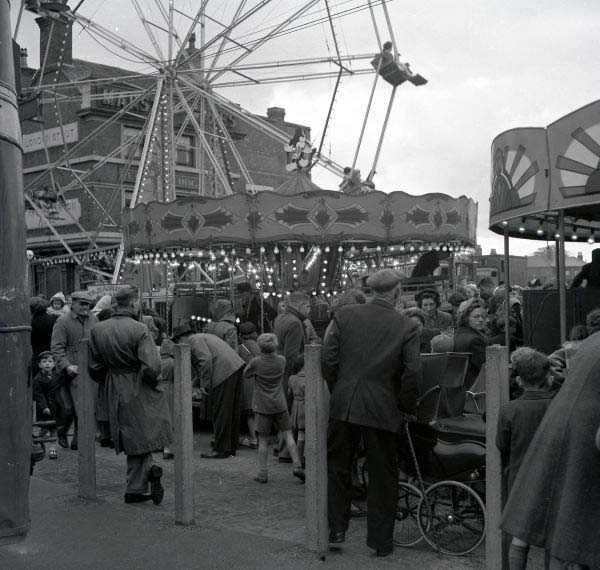
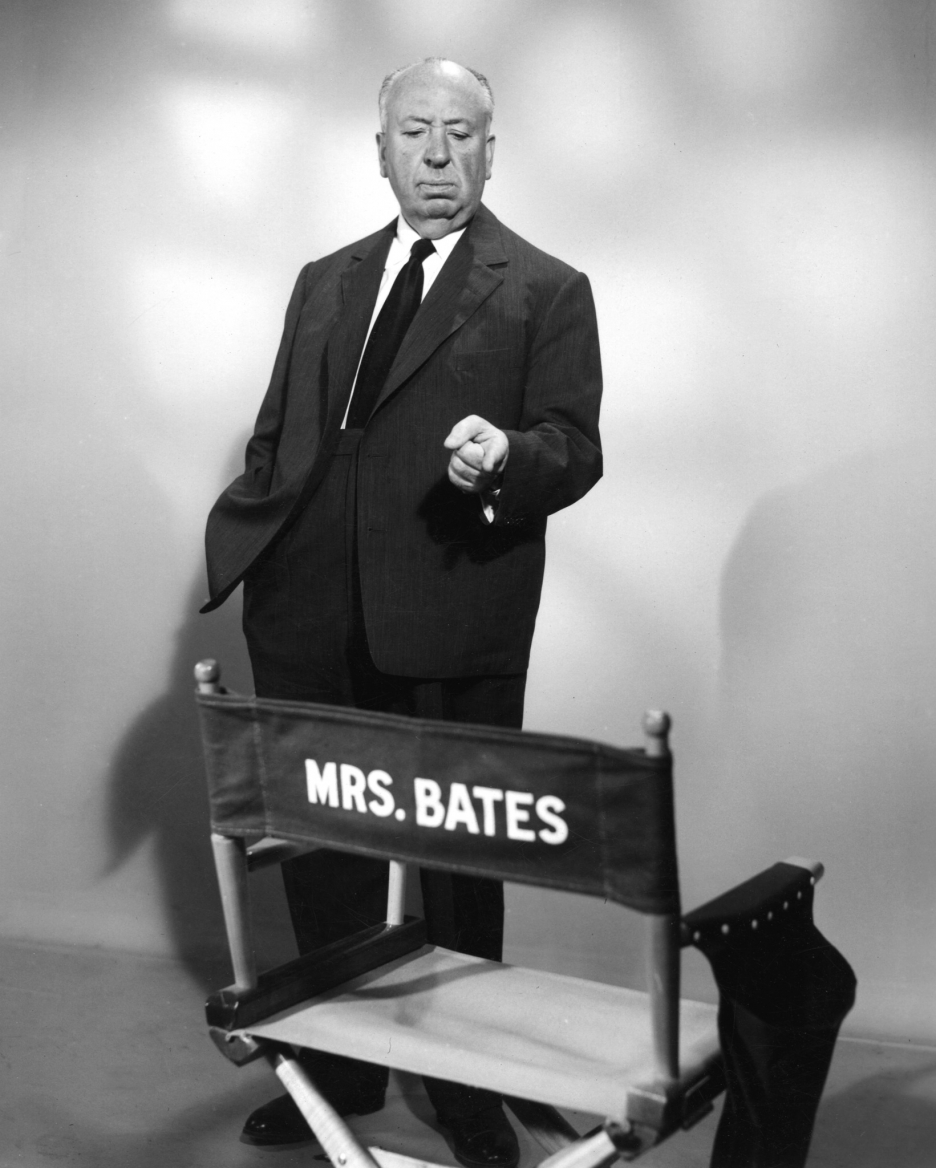
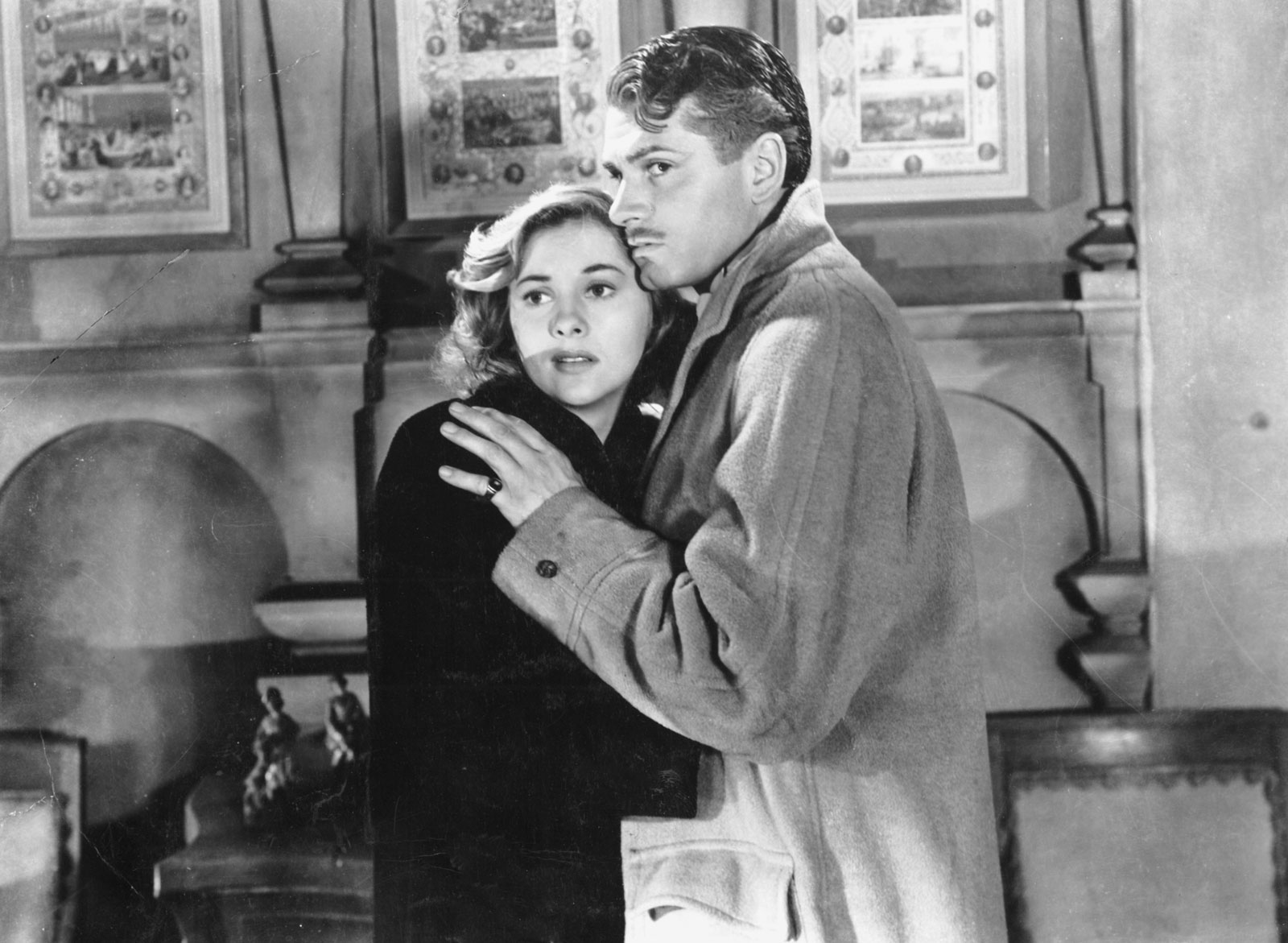
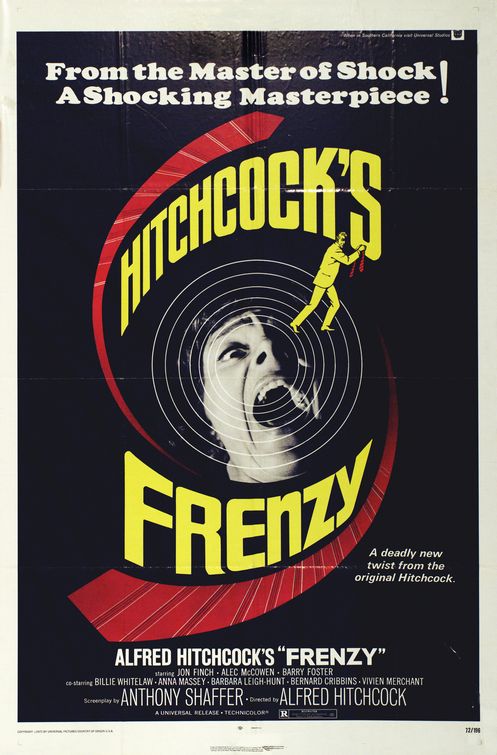
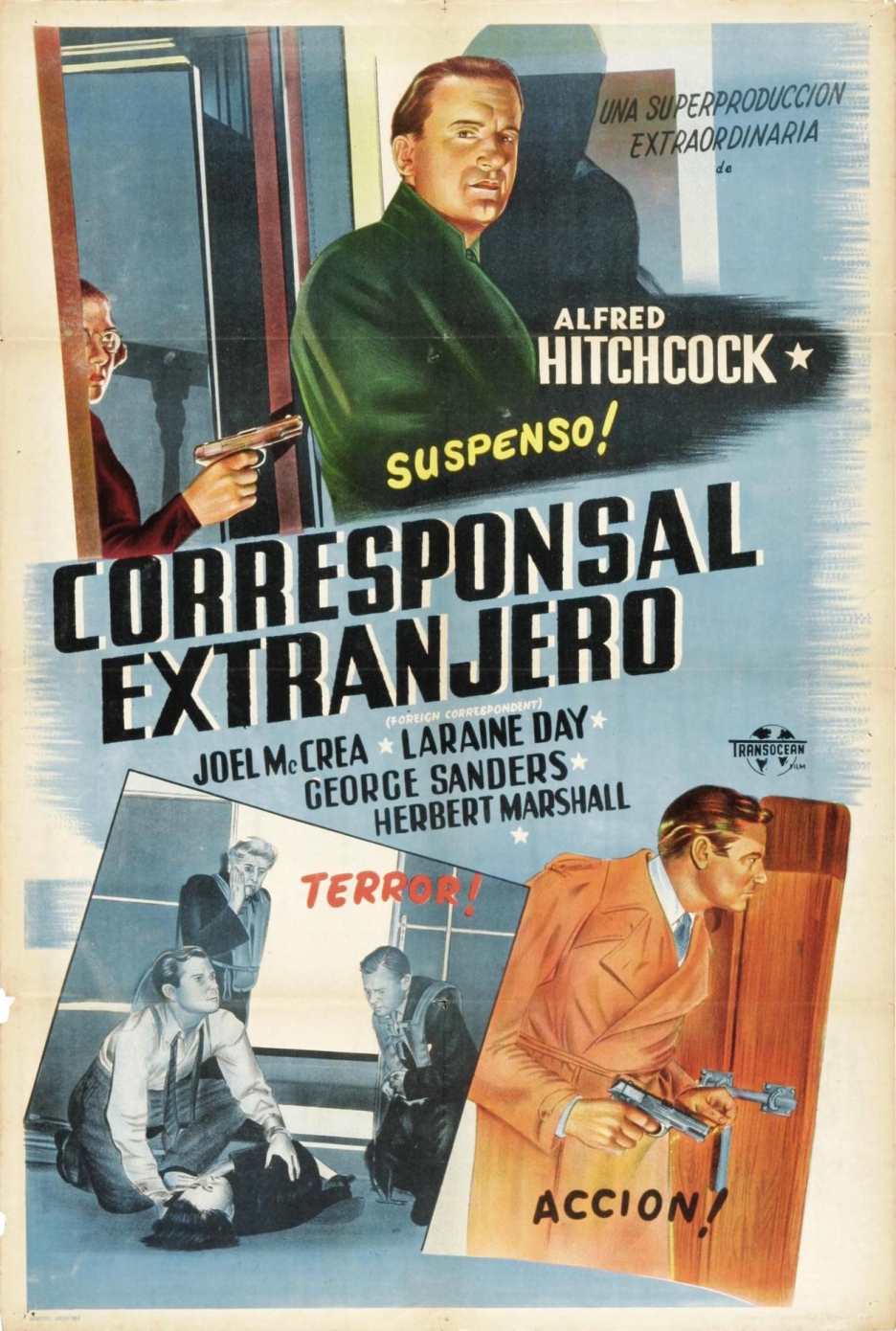


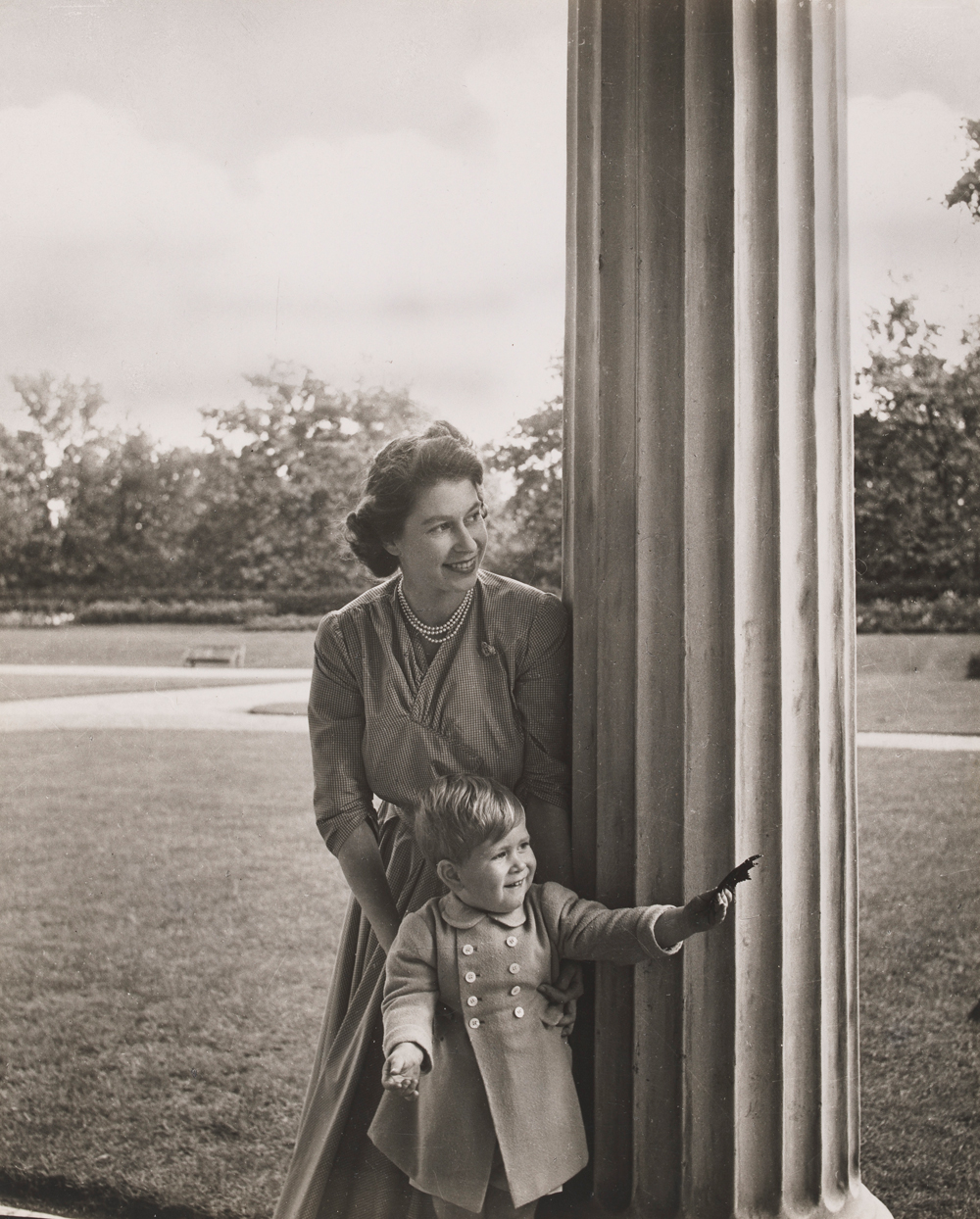
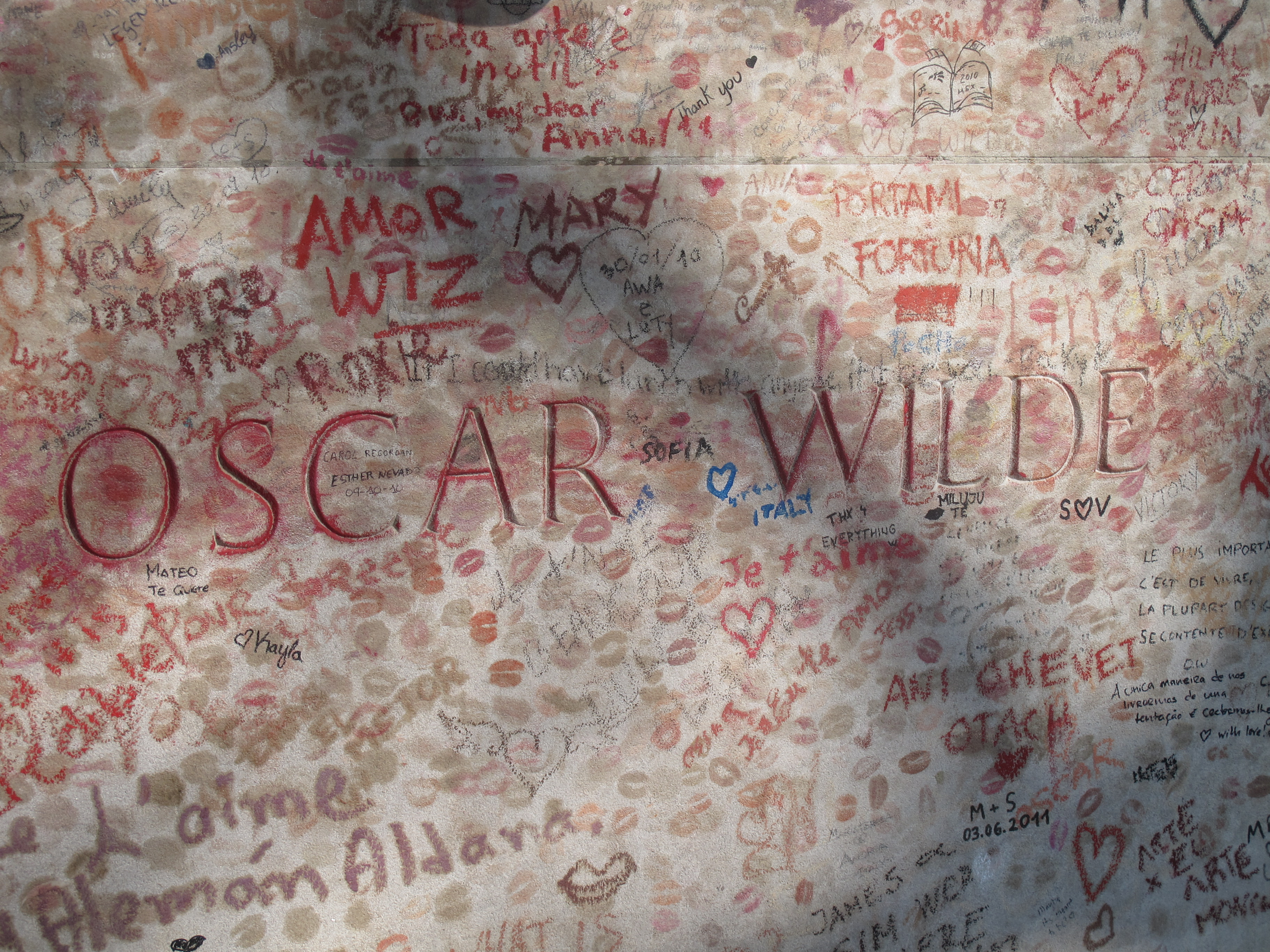
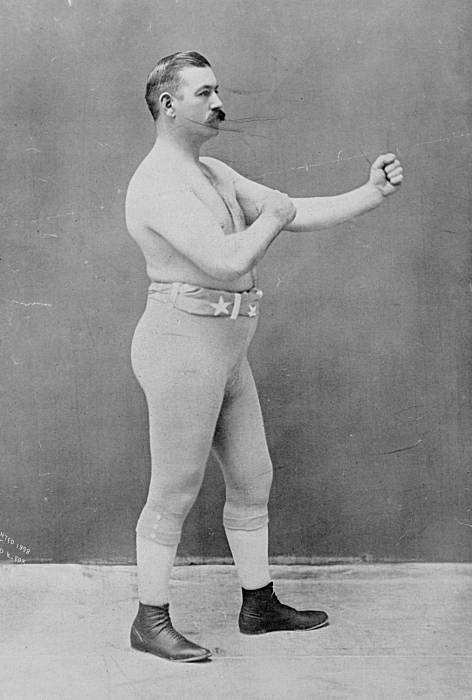


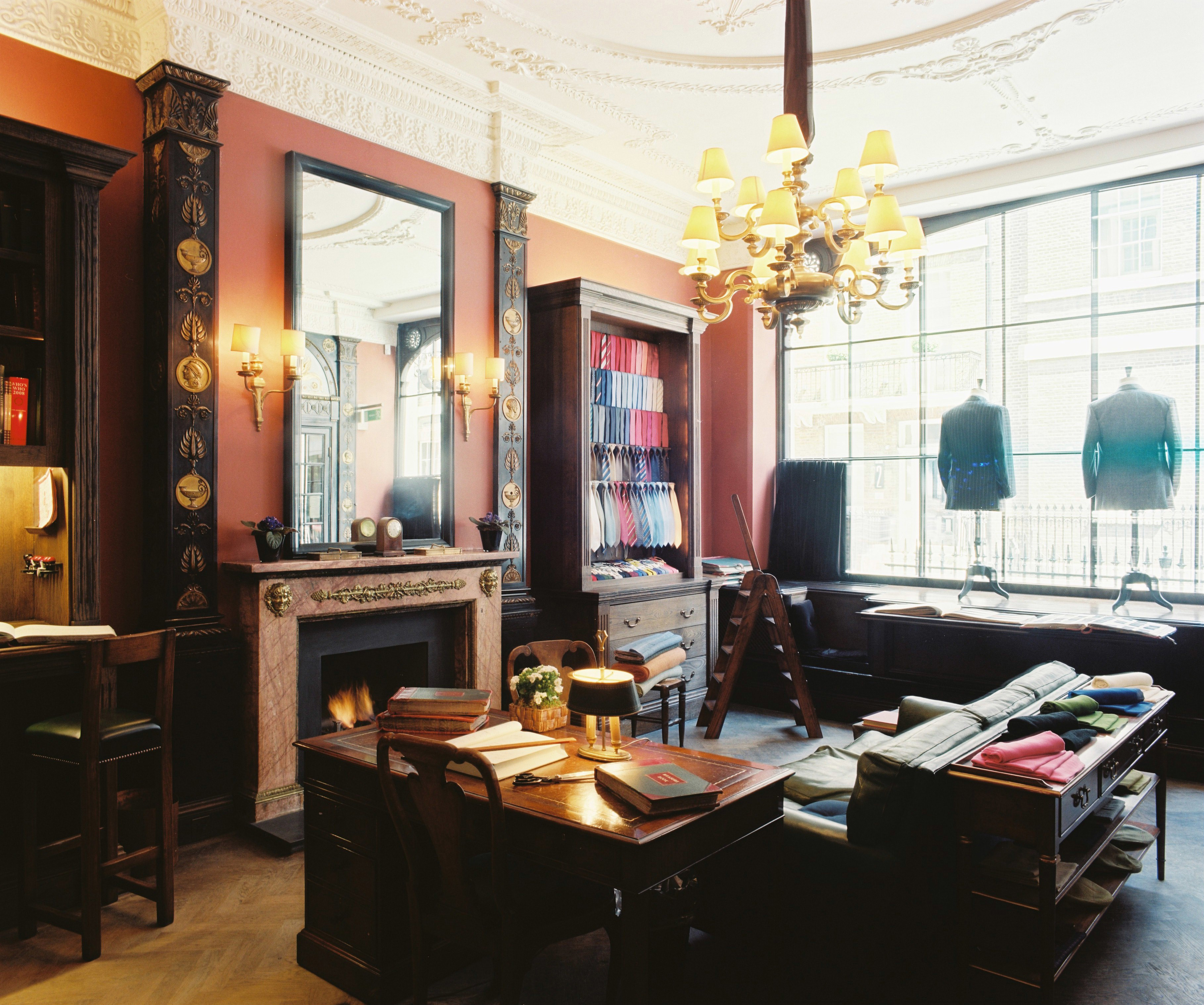







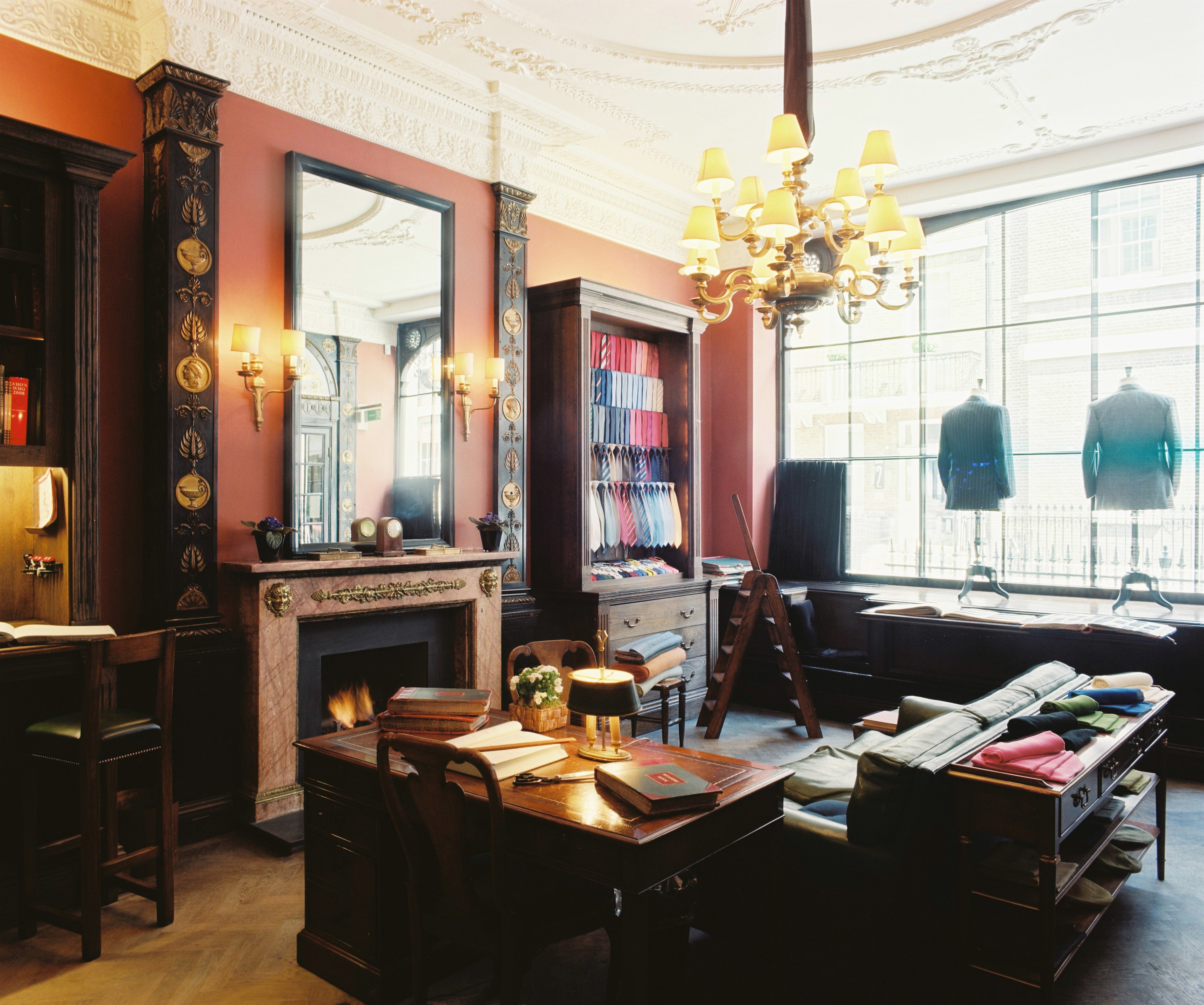

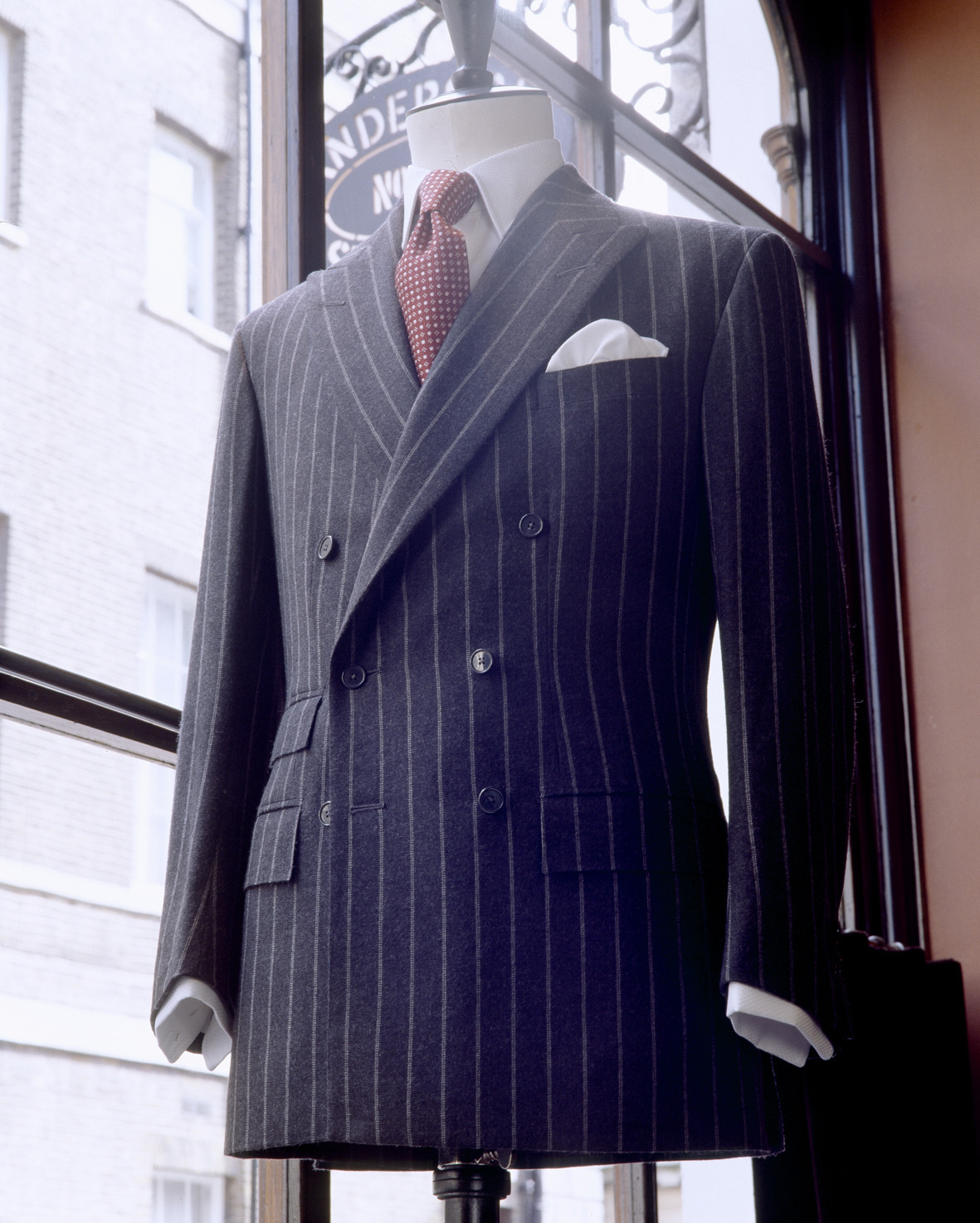
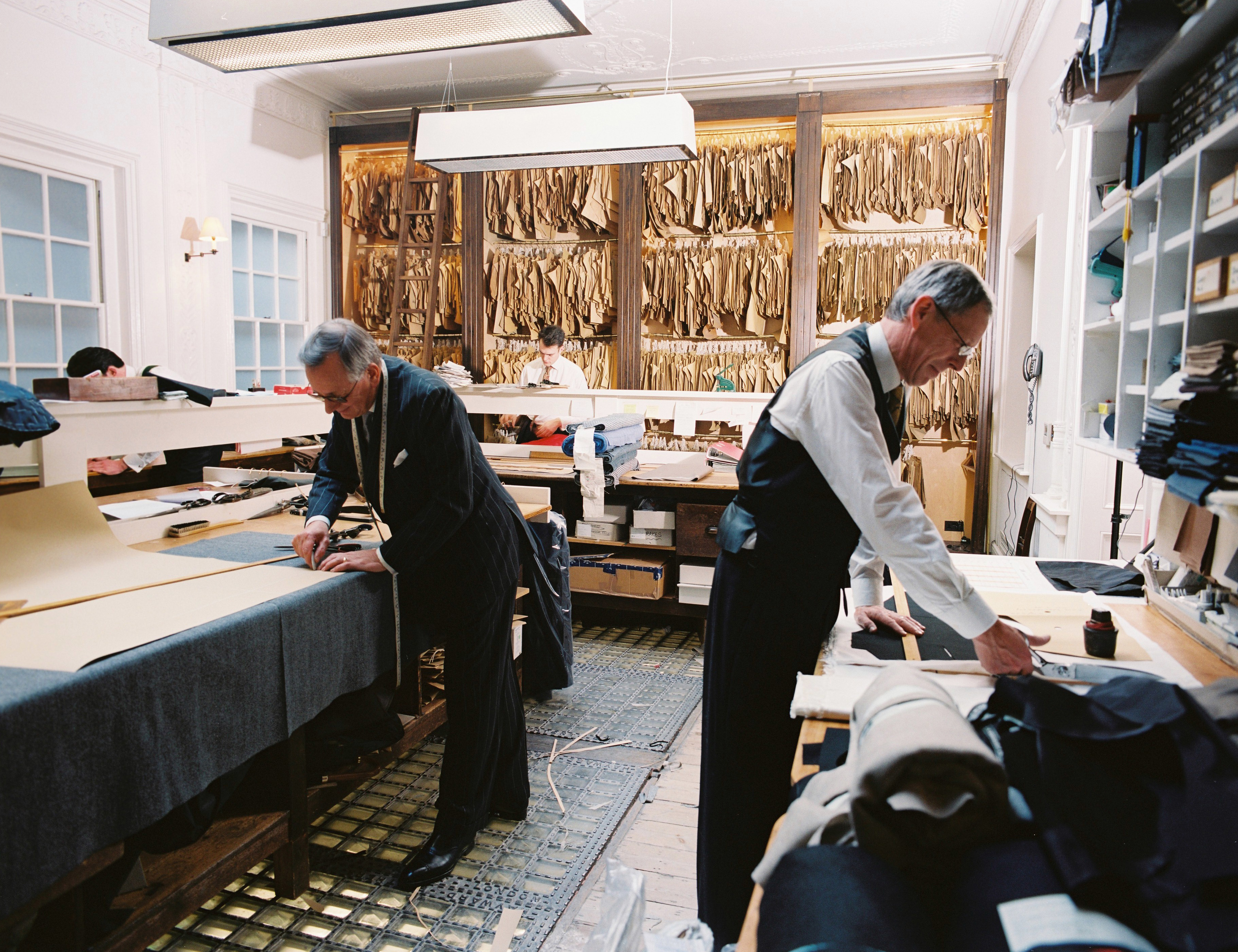





 Robert Leeming